



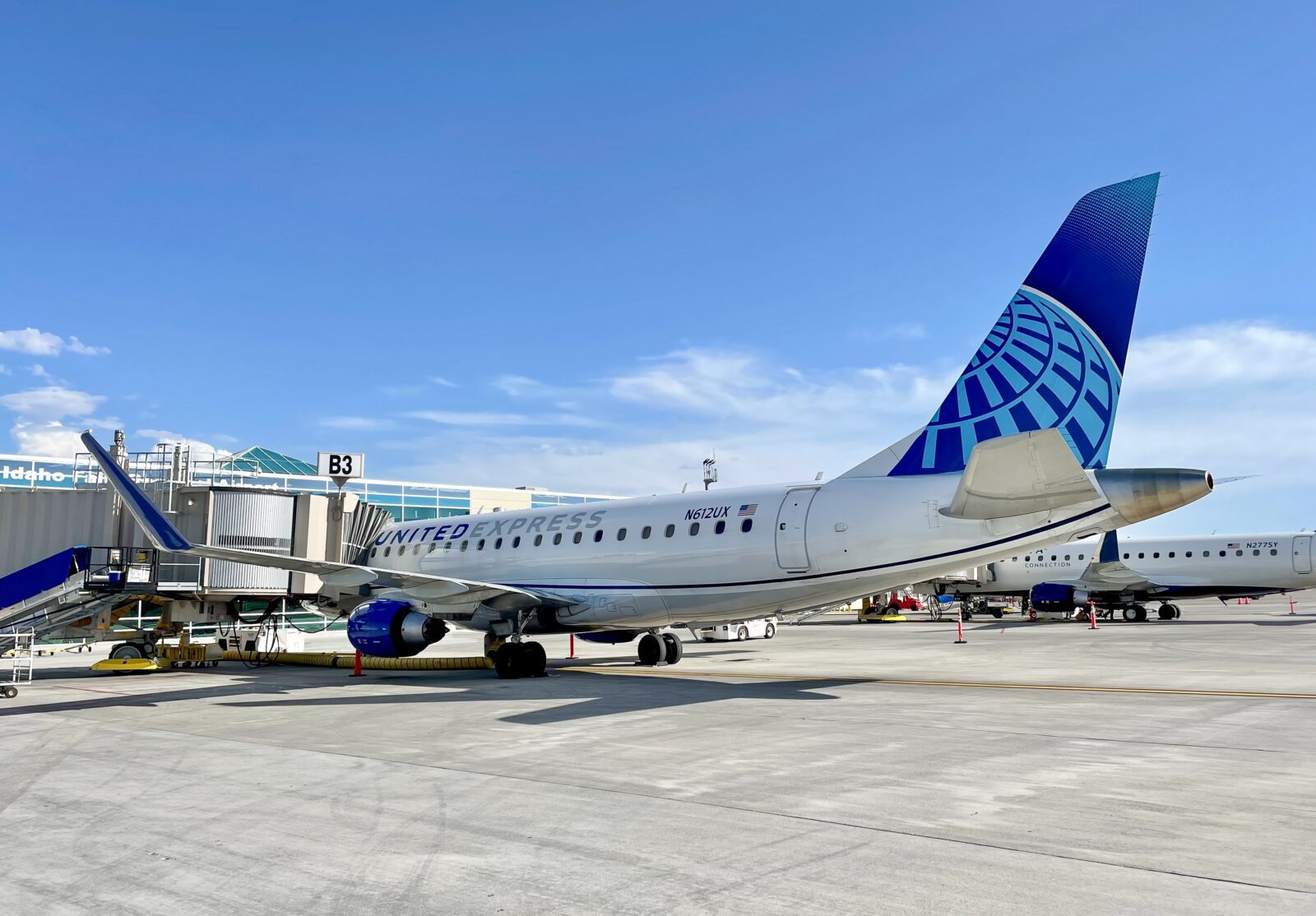
A new tentative agreement between United Airlines and its workforce of more than 30,000 flight attendants will allow the Chicago-based carrier to set up its own regional airline, where crew members would earn nearly 50% less than their mainline coworkers.
Of the so-called Big Three U.S. airlines, United is currently the only one that doesn’t have its own wholly-owned regional subsidiary… And that’s not because United doesn’t necessarily want its own regional carrier.
One of the main reasons behind this discrepancy is that the Association of Flight Attendants (AFA-CWA), which represents United crew members, has long insisted on protections in the flight attendant contract to prevent United from setting up its own regional airline.
Contained within a Letter of Agreement inserted within the current contract, United is banned from creating an “alter-ego airline” which would employ flight attendants under a seperate contract.
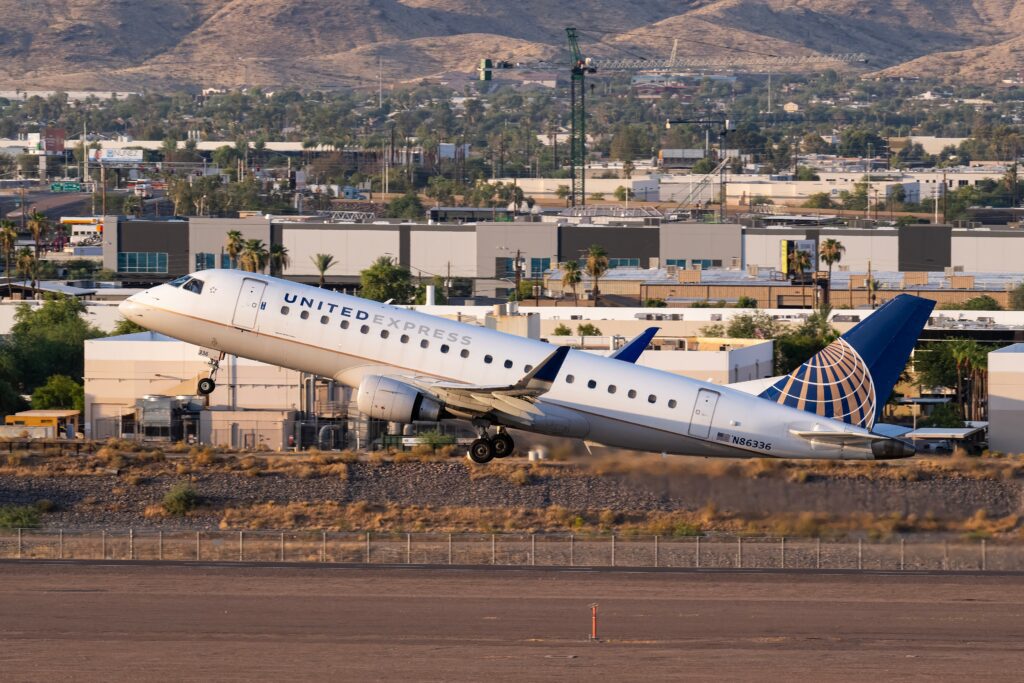
Within the new tentative agreement that was made public late on Friday evening, the ban remains in place but with one major exception: an airline operating regional flights under the United Express brand.
The revised Letter of Agreement, as proposed in the tentative agreement, reads: “The Company may create or acquire a controlling interest in and Control of aregional carrier conducting United Express Flying.”
“Flights of such United Express carrier may be staffed by Flight Attendants of such carrier unless the flights are operated by United Pilots covered by the United Pilot Agreement, in which case they will be staffed by United Flight Attendants covered by this Agreement.”
The Association of Flight Attendants has long campaigned against what it describes as the “cruel” two-tier employment model in which pilots and flight attendants at regional carriers are paid significantly less and have far fewer benefits than their peers at mainline airlines operating very similar flights.
“The model is cruel, immoral, and a favorite play of a union buster hoping to promote resentment between workers rather than focusing anger and responsibility on the real corporate decision makers,” slammed AFA president Sara Nelson in September 2024.
“Flight Attendants at regional airlines across the industry fly the same routes and provide the same service as mainline Flight Attendants. It’s time they get paid like it,” Nelson added.
The union’s attempts to improve pay and benefits for regional flight attendants to bring them in line with their mainline counterparts have, however, had little success in closing the gulf.
While the union successfully fought to exclude other concessions in the new tentative agreement that would have had an impact on mainline United flight attendants, such as the introduction of a new scheduling system and the abolition of ‘Personal Time Off,’ the United Express concession was included.
Whether or not United will actually create its own regional carrier remains to be seen. Until now, United has relied upon third-party regional carriers like Republic Airways, which paints its aircraft in United Express colors.
Both American and Delta also contract out regional flying to third-party suppliers like Republic and SkyWest, but they also have their own wholly owned regional subsidiaries: Endeavor Air for Delta, Envoy Air, Piedmont, and PSA Airlines for American Airlines.
There are clear benefits to having a wholly owned regional subsidiary rather than just contracting out to a third-party, including direct control over labor costs, operational control, and no risk that the third-party isn’t going to renew a contract in favor of a rival.
Importantly, having a wholly owned subsidiary is one way to circumvent pilot contract scope clauses that prevent a carrier like United from using certain larger regional jets – an issue that cropped up in 2022 when United signed a major deal with Mesa Air.