


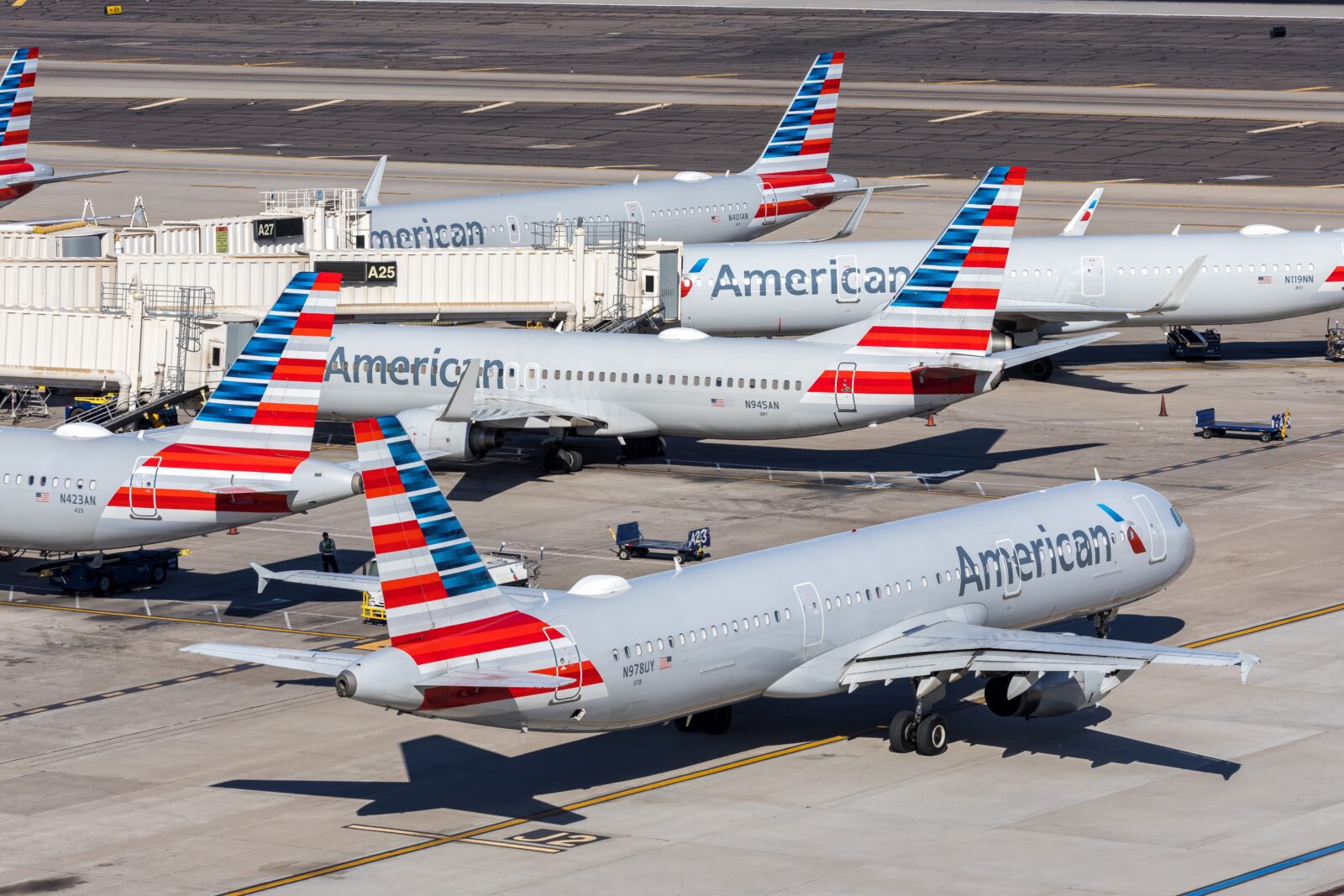
The Federal Aviation Administration (FAA) has accused American Airlines of allowing 12 flight attendants who were busted for positive drug and alcohol tests, including amphetamines, cocaine, marijuana, and methamphetamine, return to work without completing the necessary follow-up tests to ensure they were clean.
The lapses allegedly occurred between May 2019 and December 2023, but are now only coming to light as the FAA starts sending out fines to a slew of airlines accused of breaking drug and alcohol testing requirements.
The FAA plans to fine American Airlines $255,000 for the breaches, while an even larger civil penalty of $304,272 is being levied against Southwest Airlines after it allowed 11 safety-critical workers return to work between August 2021 and July 2024 without follow-up testing following positive alcohol and drug tests.
In the case of Southwest, the employees included pilots, flight attendants and aircraft mechanics who, between them, tested positive for marijuana, cocaine and amphetamines.
Last month, the FAA also proposed a $65,000 civil penalty against Avelo Airlines after the airline failed to include 10 of its flight attendants in its drug and alcohol testing ‘pool’ during various periods between April 2024 and November 2024.
Under Title 14 of the Code of Federal Regulations Part 120 (often condensed to 14 CFR Part 120), all ‘safety-sensitive’ airline employees, such as pilots and flight attendants, must be subject to random drug and alcohol testing.
For 2026, airlines must select 25% of safety-sensitive workers for a drug test and 10% for an alcohol test, although there is some flexibility in how airlines manage their own drug testing programs.
A positive alcohol or drug test does not automatically mean that workers will be terminated, with many airlines running special programs that allow employees to return to work once they have completed a compulsory rehabilitation program.
Once workers return to work, however, they should be subject to follow-up testing to ensure they are drug and/or alcohol free.
These substance abuse programs can, however, prove controversial. In 2022, United Airlines agreed to pay $305,000 to settle a lawsuit brought by the Equal Employment Opportunity Commission on behalf of an alcoholic Buddhist pilot who was forced by the airline to attend Alcoholics Anonymous meetings rooted in the Christian faith.
The pilot had sought permission from United to swap out the Christian-based Alcoholics Anonymous program with regular attendance at a Buddhism-based peer support group, but the EEOC claims United refused to accommodate his religious objection.
While United agreed to settle the lawsuit, the airline said it still had the “highest confidence” in its pilot substance abuse program, which is known as HIMS – Human Intervention Motivation Study.
The HIMS program has a high success rate with up to 90% of pilots enrolled in its successfully returning to the cockpit.