



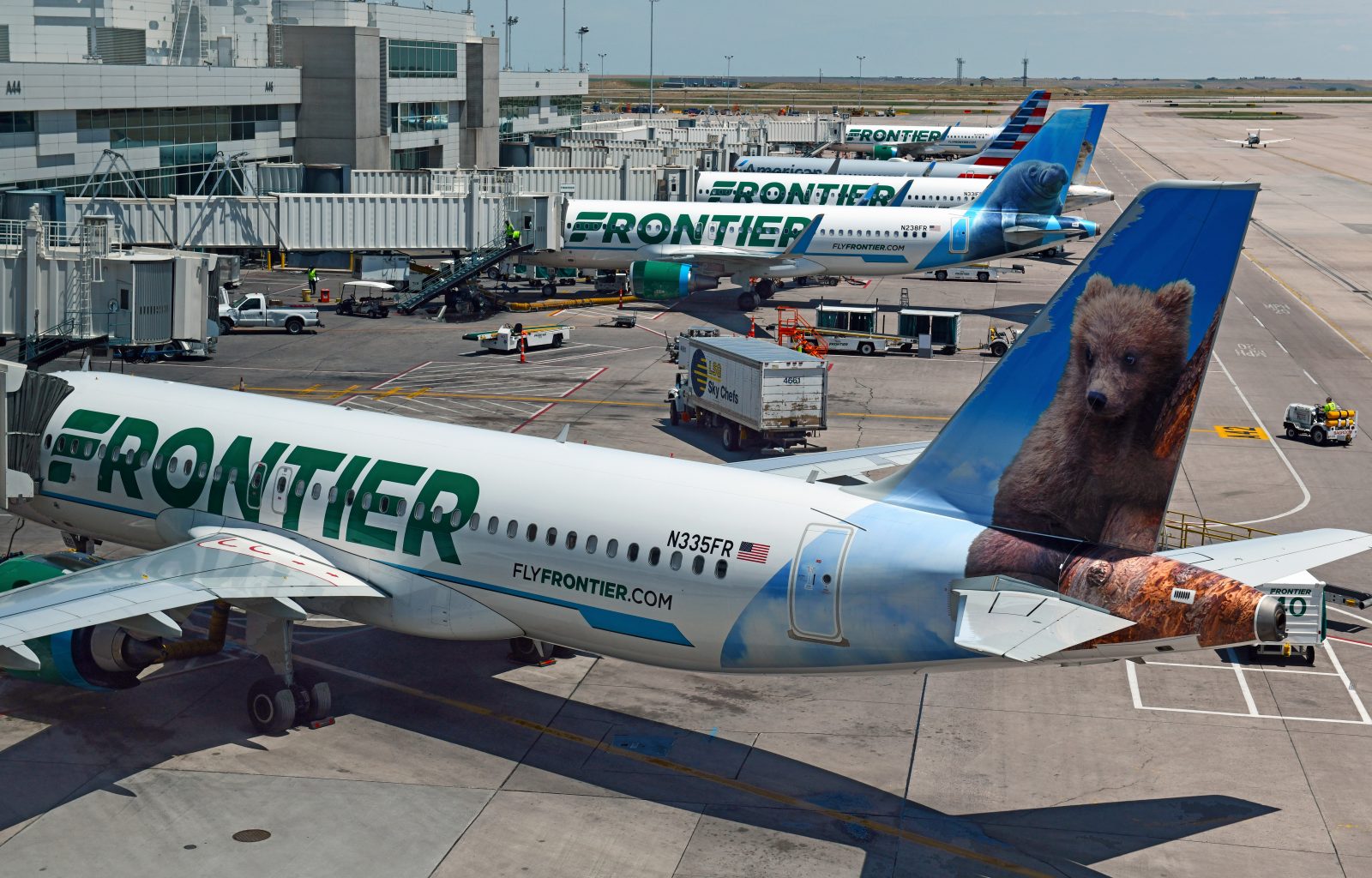
The pilots of a Frontier Airlines Airbus A321 were forced to “slam on the brakes” to avoid colliding with two trucks that cut them off as they were taxiing at Los Angeles International Airport (LAX) on Wednesday, new air traffic recordings have revealed.
Frontier flight F9-3216 was taxiing for departure for a Red-Eye flight to Atlanta Hartsfield at around 11:30 pm on April 8, having just departed its gate at Terminal B.
“It happened so fast, both of us are like holy shit and slammed on the brakes…as close as I’ve ever seen” Frontier pilot tells LAX controllers late Wednesday. He reported 2 trucks essentially cut off the A321 heading to Atlanta on a taxiway.
— Kris Van Cleave (@krisvancleave) April 10, 2026
FAA is investigating.
Listen ⬇️ pic.twitter.com/yE6xGyCsrK
The three-year-old Airbus A321neo with 217 passengers and seven crew members on board initially pushed back onto taxiway K, which leads onto Taxiway B. As the plane got to the intersection between Taxiway K and B, however, the pilots reported that two trucks cut them off.
“Two trucks just cut us off… We had to slam on the brakes not to hit em,” one of the pilots reported to air traffic control.
The controller in the air traffic control tower immediately started to work out what had happened, inquiring with the pilots if they noticed any markings on the trucks that would identify the operator.
“It happened so fast,” the pilot responded. “Both of us were just like ‘Holy s**t’, and then we just slammed on the brakes,” the pilot continued.
“I might have to call the flight attendants, make sure everyone is alright in the back. It was real close… close as I’ve ever seen.”
As air traffic control continued its hunt for the trucks in the near miss, the pilots rejected an offer for assistance, and the plane departed LAX as scheduled, landing in Atlanta early on Thursday.
In a statement, a spokesperson for Frontier Airlines confirmed the incident, saying: “We are aware of the incident. No injuries were reported to passengers or crew. We thank our crew for their vigilance and professionalism.”
According to CBS Senior Transportation & National Correspondent, Kris Van Cleave, the incident occurred on the part of the airfield that is not visible to controllers in the control tower, and ground vehicle movement in that area was unlikely to be under the direction of the tower.
That makes this incident materially different from the tragic fatal accident at LaGuardia on March 22, when an Air Canada Express regional jet collided with a fire truck that was crossing the runway just as the plane was landing.
In that accident, the fire truck had been given permission to cross the active runway, but when the air traffic controller noticed that the plane was about to land, he desperately attempted to get the fire truck to stop.
For whatever reason, the warning was not heeded, and the plane collided head-on with the side of the truck. Both pilots of the Air Canada Express jet were tragically killed after the cockpit was decimated in the collision.
A flight attendant who was sitting just behind the cockpit miraculously survived the accident after she was propelled in her jumpseat out of the wreckage and onto the tarmac.
An investigation from the National Transportation Safety Board (NTSB) is continuing, and investigators have urged the media not to draw a conclusion over the case of the accident.
While ground vehicle movements across active runways are nearly always controlled by the control tower, many taxiway crossings simply require ground vehicles to yield to nearby aircraft.


Nice save, F9 drivers!