



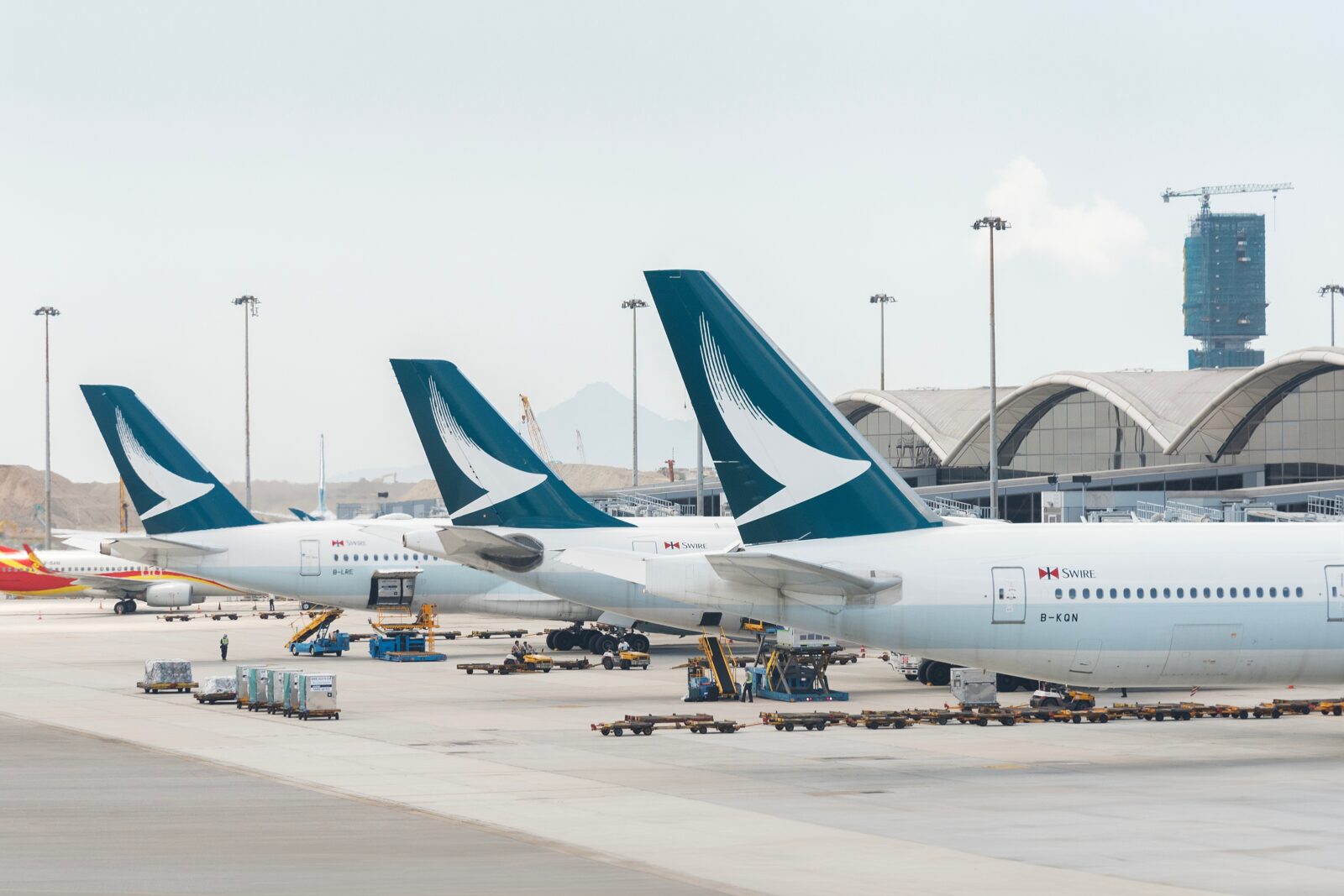
Hong Kong’s flagship airline, Cathay Pacific, says that it will trim its flight schedules until the end of June due to the surging cost of oil caused by the strangulation of shipping through the Strait of Hormuz.
For now, Cathay Pacific is only planning a very modest flight reduction, cutting around 2% of its planned schedule between May 16 and the end of June, while its low-cost subsidiary, HK Express, is cutting 6% of flights from May 6.
Some of the cuts will come from Cathay Pacific’s decision to keep its services between Hong Kong and Dubai and Riyadh suspended until July 31.
Cathay Pacific is facing a dilemma as it tries to balance strong demand for long-haul air travel, especially with services that avoid the Middle East, while also managing a spike in jet fuel prices that is cutting into its profit margin.
Unfortunately, achieving that balance could prove merely academic unless a key supply of jet fuel from the Middle East to Asia and Europe, through the Strait of Hormuz, can be opened up.
Despite a two-week ceasefire between Iran and the United States, the Strait is still only seeing a very small number of cargo vessels pass through it, and experts fear that the current level of movement will do little to address fuel supply concerns.
For now, it’s difficult to exactly pinpoint when or where fuel supplies might start running critically low, although we’ve already seen several airlines in Asia and Europe trim flight schedules in order to conserve fuel usage.
The most alarming warning so far, however, came from a key airport trade body in Europe, which warned EU lawmakers that the continent could face “systemic jet fuel shortages” in as little as three weeks unless the Strait of Hormuz reopens on a much larger scale.
Airports Council International (ACI) EUROPE said in a letter to the European Commission that the bloc must immediately start mapping jet fuel availability across Europe and start identifying alternative supply sources.
Europe, Asia, and Australasia are most reliant on jet fuel shipments from the Middle East, although that doesn’t mean the crisis isn’t also affecting other regions, notably North America.
Both Delta Air Lines and United Airlines have said they will be trimming flight schedules in the coming months due to the industry-wide rise in jet fuel costs.
Jet fuel shortages around the world will also directly impact North American carriers, as they will be forced to ground international flights, limiting their operations to domestic services and short-haul international flights.