



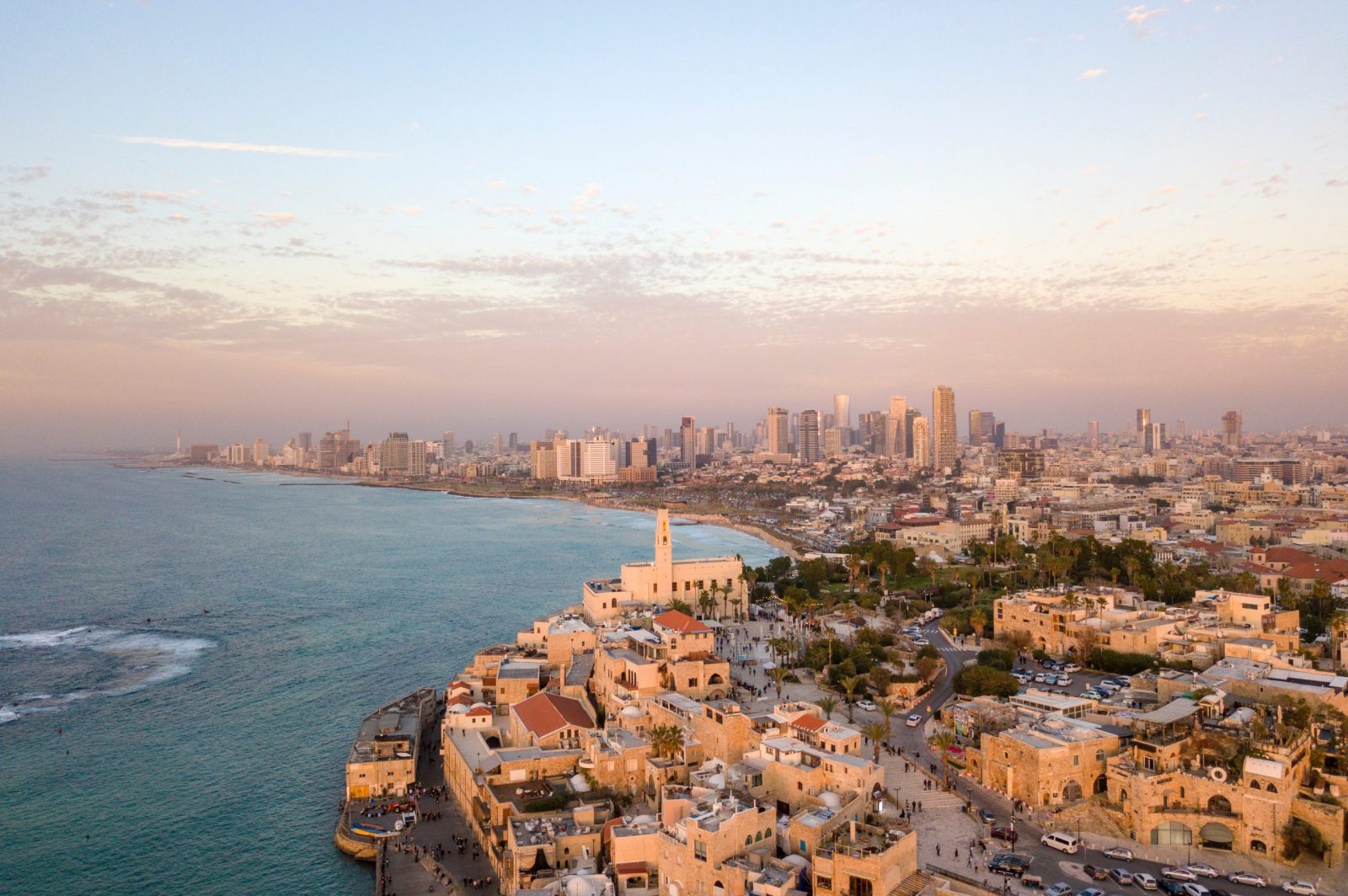
The US State Department issued a rare Level 4 ‘Do Not Travel’ alert for the whole of Israel on Monday as the total number of confirmed fatalities from Iranian ballistic missiles in the country rose to 24.
The US government had previously only advised American citizens not to travel to some high-risk regions within Israel, including Gaza.
Bizarrely, the Level 4 advisory did not mention Iranian ballistic missile attacks on Israel but only noted that official travel advice had been upgraded to ‘Do Not Travel’ due to “armed conflict, terrorism, and civil unrest.”
The updated advice comes just two days after family members of US government employees in Israel, as well as some non-emergency employees, were evacuated out of the country due to “the volatile and unpredictable security situation in the region.”
The advisory read: “The security situation in Israel, including Tel Aviv and Jerusalem, is unpredictable, and U.S. citizens are reminded to remain vigilant and take appropriate steps to increase their security awareness as security incidents, including mortar and rocket fire and armed UAV intrusions and missiles, can take place without warning.”
The State Department did not provide any advice for US citizens who are currently stuck in Israel and unable to leave.
What are the four levels of the State Department’s travel advisory program?
The US State Department grades each country and territory around the world with a travel advisory level from 1-4. This is based on a number of factors, including “crime, terrorism, civil unrest, health, likelihood of a natural disaster, and current events.”
Level 1 – Exercise normal precautions
Level 2 – Exercise increased caution
Level 3 – Reconsider travel
Level 4 – Do not travel
A Level 4 advisory means there is a “greater likelihood of life-threatening risks,” and visitors are warned that the US government might not be able to provide support if something goes wrong.
At the time of publication, other countries with Level 4 advisories included Russia, Venezuela, Libya, Sudan, Somalia, Iran and Afghanistan.
Since the start of Israel’s military campaign on Iran, dubbed Operation Rising Lion, Israel’s airspace has been closed to commercial air traffic, and all flights have been grounded.
Within hours of the offensive starting on June 13, El Al Israel Airlines and Arkia Airlines moved their aircraft out of the country with empty ferry flights to several nearby airports in the region, including Larnaca in Cyprus and Athens.
On Monday, El Al said it had cleared its entire flight schedule through June 23, although it was drafting plans to operate repatriation flights back to Israel for citizens who have been stranded abroad.
The airline suggested these flights were only to get citizens back to Israel and not to evacuate anyone out of the country.
In a statement, the airline added: “We are working in full coordination with governmental security authorities and prioritizing the safety and security of passengers and crew.”
On Sunday, the United Kingdom also warned its citizens not to travel to any part of Israel. Britain’s Foreign, Commonwealth and Development Office said: “We recognise this is a fast-moving situation that poses significant risks. The situation has the potential to deteriorate further, quickly and without warning.”
The advice continued: “The current situation has disrupted air links out of the country and may disrupt road links.”
Anyone who travels to Israel when a ‘Do Not Travel’ notice is in place should double check their insurance to make sure that it is not invalidated.