



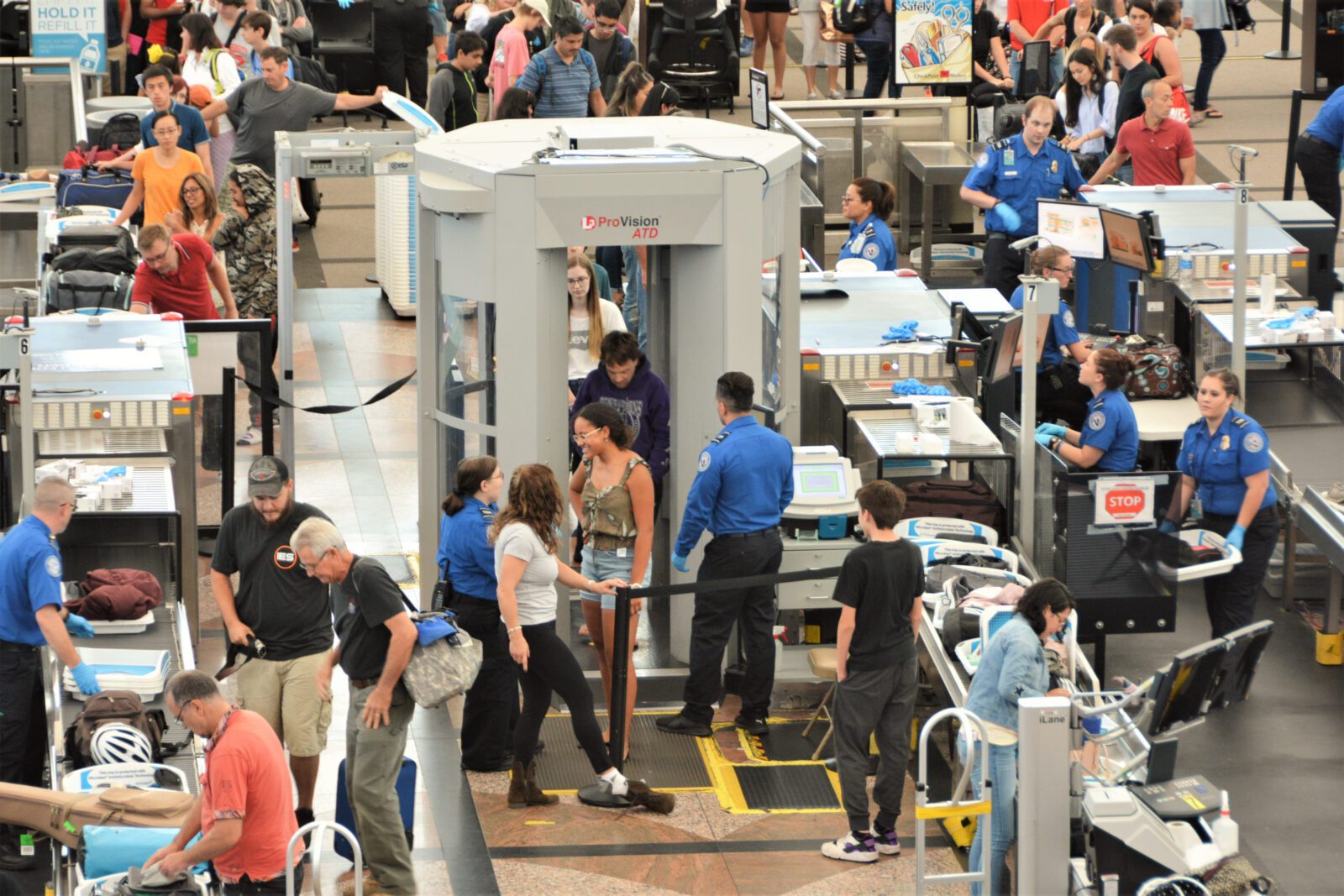
A Georgia woman is suing the United States in an Atlanta district court over claims that TSA officers left her with no option but to go through a metal detector despite her repeatedly telling them that she had had a spinal cord stimulator fitted in her back.
When she entered the Advanced Imaging Technology (AIT) device, and it was activated, she felt a shock from the electromagnetic charge of the AIT destroying her spinal cord stimulator.
The woman was immediately left in pain, and the damage was so bad that she required surgery, racking up a huge medical bill for her ongoing treatment.
What is a spinal cord stimulator?
A spinal stimulator is a pain management device that is implanted underneath the surface of the skin. The device works by delivering electrical impulses to the spinal cord in order to interrupt or mask pain signals before they are felt by the user.
Spinal cord stimulators can be used to help manage a range of chronic pain conditions where other interventions have failed, including sciatica.
According to the lawsuit, which was filed in court late last month and is only now coming to light, the incident occurred at Atlanta Hartsfield International Airport (ATL) on May 21, 2024.
However, the lawsuit was delayed in being filed because the woman first went through an unsuccessful adjudication process with the Transportation Security Administration (TSA).
Kerri Thomas says in her 12-page complaint that when she arrived at the North TSA checkpoint at ATL, she informed the officer at the entrance that she had a spinal cord implant and required a pat-down search.
She also showed the officer a medical identification card, but the officer allegedly ignored this and insisted she would need to go through the standard security screening process.
Kerri says she pleaded with the officer but was told, “The only way you are getting on the plane is to go through the machine.”
After entering the checkpoint and approaching the AIT, Kerri says she spoke to another officer to explain her situation and requested a pat-down search. The officer allegedly told her that the machine had been ‘adjusted’ and ‘recalibrated,’ in such a way that it wouldn’t do any damage to her medical device.
As soon as the officer activated the AIT, Kerri felt a shock from the machine destroying her spinal cord implant.
Official TSA guidance explicitly states that anyone with an internal medical device should not be screened through a walk-through metal detector and says that passengers with a medical implant have the option to refuse screening in an AIT.
Kerri notes in her lawsuit that it was the TSA’s policy at the time of the incident for the officers to accommodate her request for a pat-down search.
The complaint states: “One or more of the Transportation Security Administration’s employees or agents knew or should have known that the machine in which Plaintiff was forced to enter had not been recalibrated or adjusted so as to not cause harm to her spinal cord stimulator.”
Kerri is suing the United States under the Federal Tort Claims Act and is claiming an unspecified sum for physical and mental pain and suffering, medical treatment costs, mental anguish, loss of earnings, and permanent injuries.


This is scary! My daughter carries a card like that with her. TSA ignored her? I’d sue too.