



Alaska Airlines Furious Over Paying $200 Million for Brand That Delta Is Using To Compete Against It

- Alaska Airlines is demanding that Delta Air Lines hands over a potential treasure trove of evidence that could prove an infringement of its legal rights to use the 'Virgin' brand name in the United States.
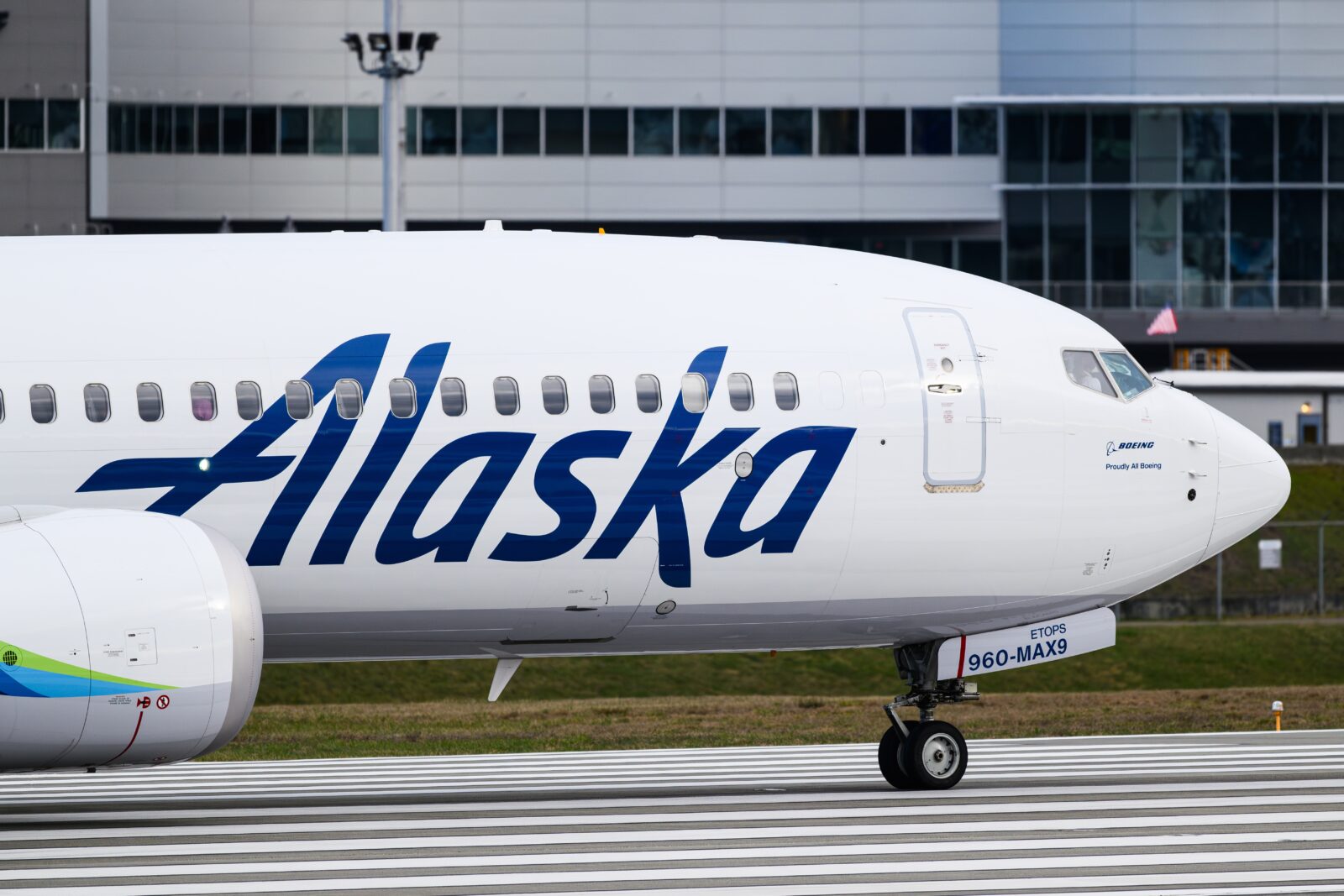
Alaska Airlines is crying foul in federal court because it is being forced to spend $10 million for the rights to the defunct Virgin America brand at the same time that domestic flights for Delta Air Lines are sold on a Virgin website – directly competing with Alaska Airlines.
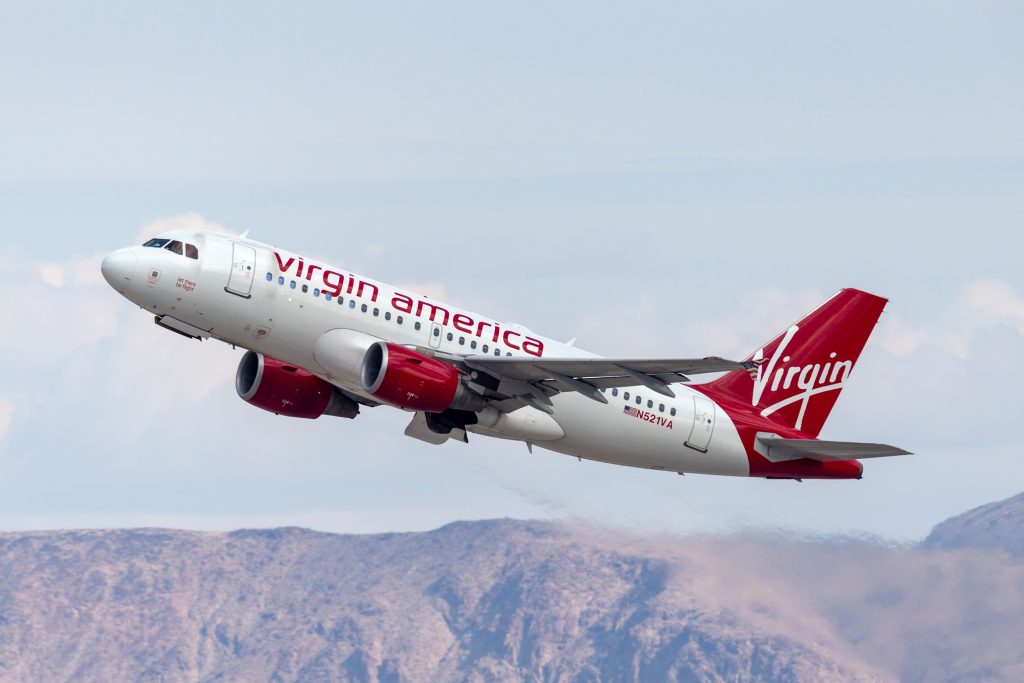
Taking its fight to the home of Delta in Atlanta, recently filed court documents allege Alaska Airlines has had its exclusive rights to the Virgin brand in the United States infringed upon by equity partner Virgin Atlantic selling standalone Delta domestic flights to its Flying Club frequent flyer club members.
This is a fairly complicated lawsuit, but it stems back to 2014 when Alaska Airlines acquired Virgin Australia so that it could expand its business in California, where the airline was dominant.
At the time, Alaska Airlines said it intended to run Virgin America as its own brand, but just two years later, the Seattle-based carrier reneged on that commitment and decided to fold Virgin America into Alaska Airlines.
The Virgin America brand was to be permanently retired, and after a three-year process to assimilate the airline, on May 30, 2019, Virgin America ceased to exist.
How Did We Get Here?
- 2013: Delta acquires a 49% stake in Virgin Atlantic
- 2014: Alaska Airlines reaches deal to fully acquire Virgin America
- 2014: Delta ends longstanding partnership with Alaska
- 2016: Alaska decides to close Virgin America
- 2019: Virgin America permanently shuts down and the brand ceases to exist
- 2022: Virgin Group sues Alaska over royalty payments for Virgin America brand
- 2024: Alaska loses court appeal over royalty payments
- 2025: Alaska claims the Virgin Group could be infringing upon its exclusive legal rights to use the Virgin brand in the US for airline services.
At that point, Alaska Airlines stopped paying an annual royalty fee to the UK-based Virgin Group, a venture capital firm that licenses its name and branding in various business fields.
The Virgin Group, however, wasn’t happy that Alaska Airlines suddenly stopped paying the royalty fee to use its brand name, even though Virgin America no longer existed, and demanded that Alaska continue paying it $10 million per year through to 2039.
The case ultimately ended up in London’s High Court, where Alaska Airlines lost an appeal to avoid paying the royalty fees last June.
Lawyers acting on behalf of Alaska Airlines now argue, however, that the Virgin Group is “infringing the exclusive rights” that Alaska is paying for by selling tickets for domestic flights operated by Delta Air Lines on the website of another airline, Virgin Atlantic.
For context, Delta owns a 49% stake in Virgin Atlantic, putting it in the rather awkward position of having potentially benefited economically from the Virgin Group’s alleged ‘infringing’ conduct.
“Step back and the scheme comes into focus: Alaska is being forced to pay ten million dollars a year so that its competitors can use the Virgin brand to compete with Alaska,” lawyers for the airline claim in a recent court submission.
At this time, Alaska Airlines isn’t suing Delta for alleged infringement, but it is asking the court to force its rival to hand over documents that it thinks could help prove its case in future litigation.
As the court submission explains: “There can be no question that Delta possesses key information relevant to the Breach Litigation, including when the infringement began, the role of various Virgin Group companies in it, the scale of the infringement, the economic consequences it caused for both sides, and more.”
Delta took its stake in Virgin Atlantic back in 2013, and Alaska Airlines believes it used this investment to directly compete against it.
For example, following the deal, Virgin Atlantic started non-stop flights from London Heathrow to Seattle, where Delta was setting up its West Coast hub. Through the Virgin Atlantic website, passengers could book flights from London to Seattle and beyond with Delta domestic flights.
Delta previously partnered with Alaska Airlines, but when the deal with Virgin America was announced, Delta ended its relationship and started to “aggressively” pursue its high-value frequent flyers.
“It would be bad enough to force Alaska to pay ten million dollars per year to Virgin Group for exclusive rights to marks it is not using,” the airline’s lawyers argue. “At least then, one could say, Alaska gets the benefit of ensuring that its competitors do not use the Virgin marks in the domestic United States to compete with Alaska.”
“Indeed, Virgin Group made exactly that argument in trying to defend its minimum royalty position in the English Courts.”
“But for Virgin Group and its affiliates to use those very same marks, in breach of the exclusivity agreement, to woo customers onto flights operated by Delta, Alaska’s primary, aggressive, three-times-the-size, hometown competitor, is plainly unfair, unjust, and contrary to any plausible reading of the TMLA and applicable law.”
The application to get hold of documents from Delta was filed in early July, but the case is yet to be heard, while preliminary hearings take place.
The case has been filed in the district court for the Northern District of Georgia under case number: 1:25-mi-00046.


Your early reference called it Virgin Australia instead of Virgin America.