



American Airlines Jet Makes Emergency Landing After Yet Another Mid-Air Fire

- An American Airlines flight from Philadelphia to Phoenix ended up making an emergency diversion to Washington Dulles on August 23 after a passenger's electronic device caught fire shortly after takeoff.
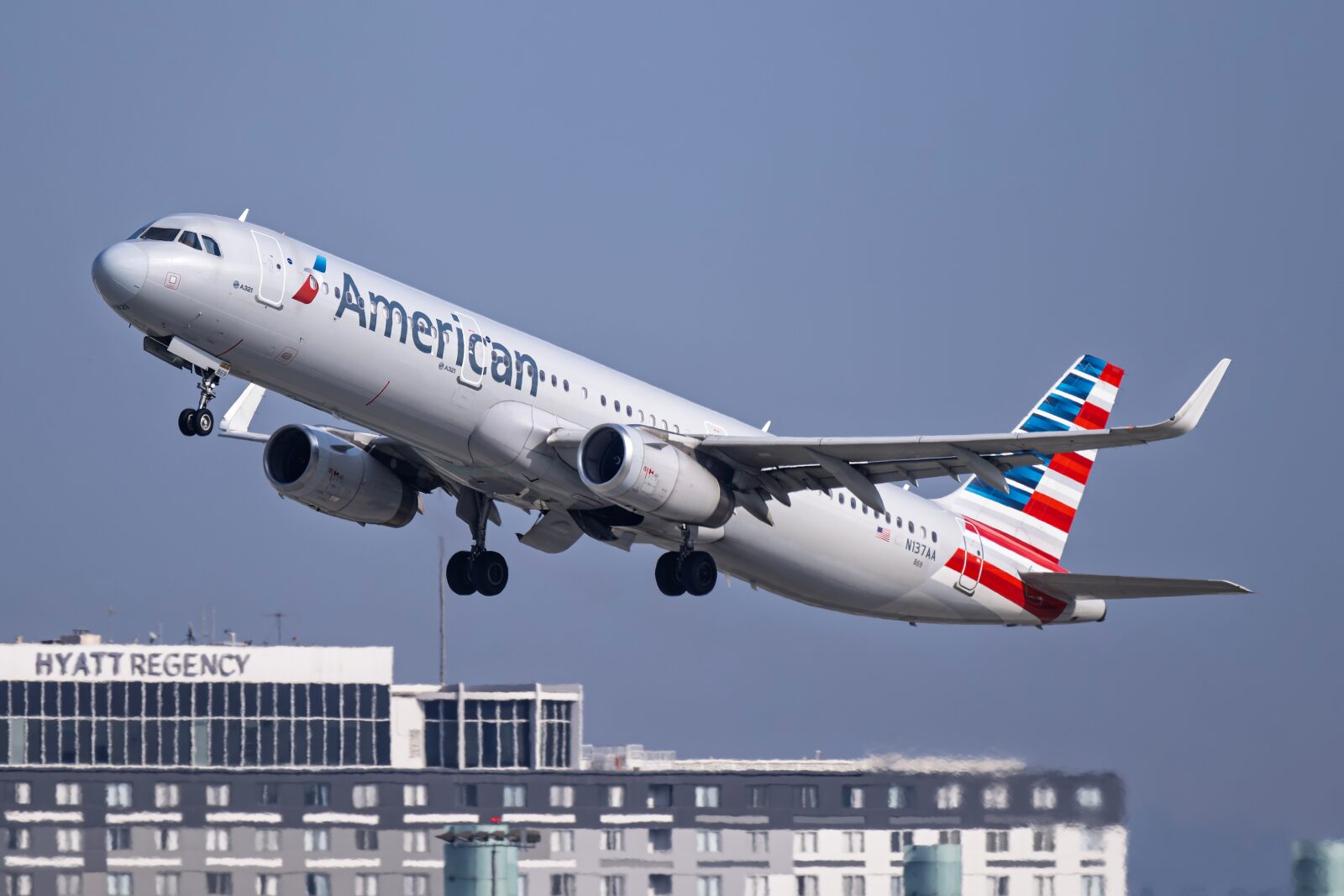
An American Airlines Airbus A321 flying from Philadelphia to Phoenix was forced to make an emergency diversion just 30 minutes into its cross-country flight after a fire erupted in one of the passenger rows – later confirmed to have been caused by a malfunctioning electronic device belonging to a customer onboard.
American Airlines flight AA357 departed Philadelphia International Airport around an hour and a half late on Saturday morning for the 3,340 km flight to Phoenix Sky Harbor, but with the aircraft still climbing to its maximum cruising altitude, the pilots suddenly performed a U-turn and headed towards Washington Dulles.
In a statement, the Federal Aviation Administration (FAA) said it would begin an investigation after the airline reported “a fire in one of the passenger rows.”
The 13-year-old aircraft with a capacity for 190 passengers landed safely at Washington Dulles Airport, by which point the flight attendants had managed to contain the overheating device in a special fire containment bag.
The incident is just the latest in a string of similar recent accidents involving passenger devices catching fire. The situation has now become so serious that a growing number of global carriers are implementing urgent new safety procedures to reduce the risk posed by popular everyday gadgets – especially portable battery chargers.
Emirates bans power use in-flight from October 1
Earlier this month, Emirates became the largest airline so far to place new restrictions on the use of portable battery chargers because the risk of them overheating and catching fire at 38,000 feet has been deemed so serious.
From October 1, passengers traveling on any Emirates flight will be banned from carrying no more than a single power bank. The power bank cannot, however, be used to charge another device onboard the plane, and cannot be plugged into the in-seat power supply to charge it.
Passengers must also keep their power bank within easy reach, and it must never be stored in the overhead bin, where it is difficult to monitor if it starts overheating, and where any fire could quickly spread.
Why are power banks catching fire?
Portable chargers are powered by lithium-ion batteries that can suffer a so-called ‘thermal runaway’ if it is damaged or overcharged. A thermal runaway is when the heat inside the battery rapidly increases to the point that it starts smoking and sparking before catching on fire.
Any device powered by a lithium-ion battery, such as mobile phones and laptops, can suffer from a thermal runaway, but power banks are more susceptible because they don’t usually employ ‘trickle charge’ methods that cellphones do.
Have any US airlines introduced restrictions on power banks?
So far, the only US airline that has introduced power bank restrictions is Southwest, which now bars passengers from storing power banks in the overhead bins. Passengers are still allowed to charge their devices using a power bank, but they must keep it within sight when in use.
Southwest was prompted to take action after a spate of incidents on its flights, including an emergency evacuation at Denver International Airport on November 14, 2024, when a passenger’s cellphone caught fire while the plane was still parked at the gate.
How to avoid the risk of an in-flight power bank or cellphone fire
The FAA has issued some sensible recommendations and precautions to help passengers avoid their electronic devices overheating during a flight
- Power off any devices that you are not using.
- With the exception of Apple AirTags, never pack a device containing a lithium-ion battery in your checked luggage.
- When using onboard charging devices like USB ports and plug points, monitor your device and unplug it before going to sleep.
- Avoid charging your device to 100%. The US Federal Aviation Administration (FAA) suggests that keeping devices charged to around 30% will significantly reduce the risk of a thermal runaway event.
- Use authorized charging accessories and avoid using cables or devices that are damaged.
See more tips on the FAA’s ‘PackSafe for Passengers’ page.