



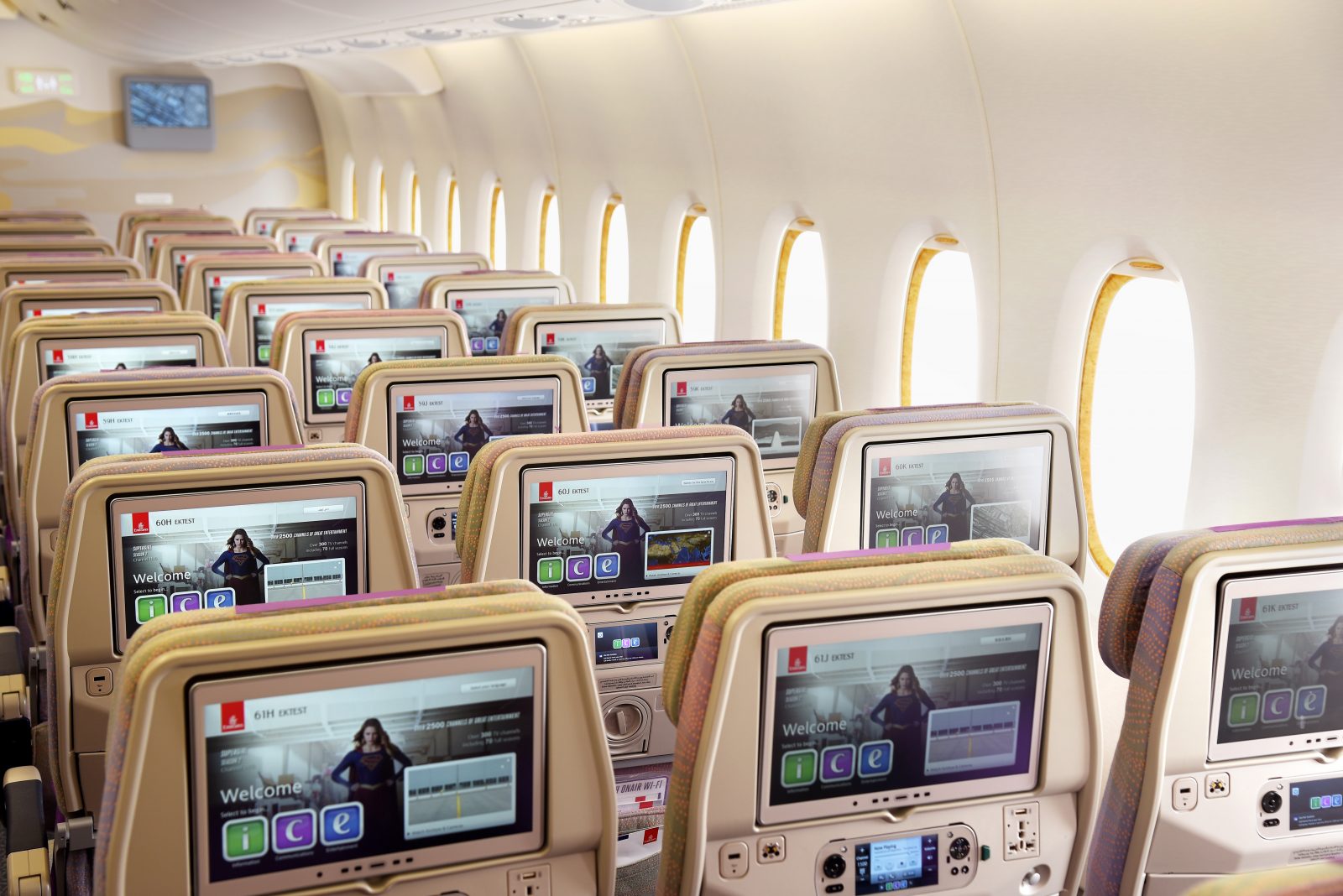
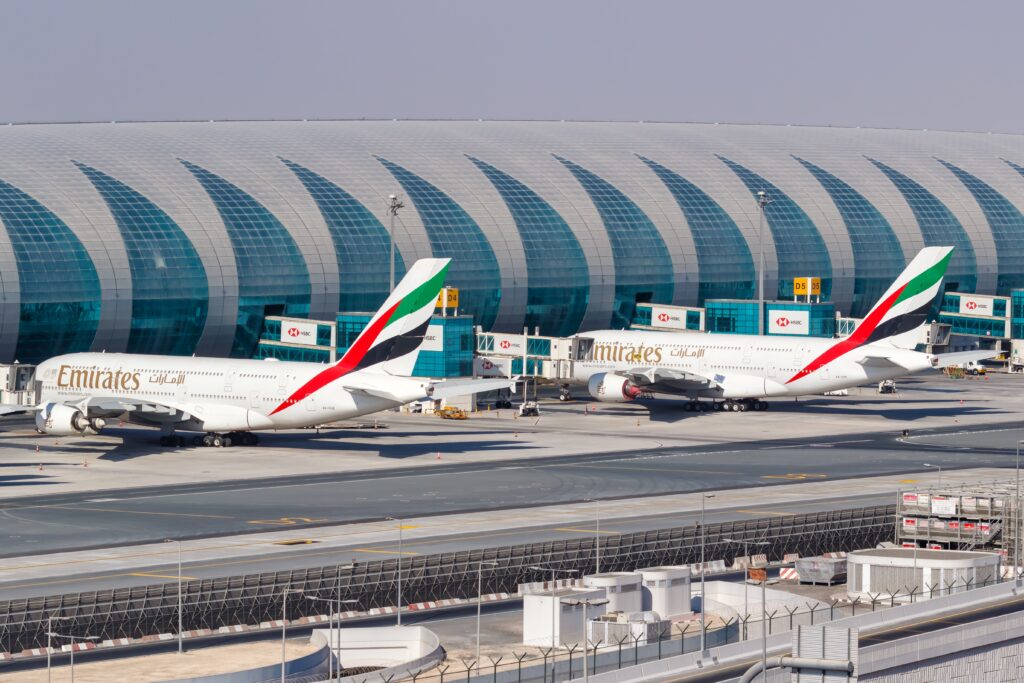
The Dubai-based mega carrier Emirates has become the largest airline so far to ban the use of portable power banks on all of its flights over fears that the popular devices could explode at 38,000 feet.
Emirates joins a growing list of airlines around the world to place restrictions on the use of power banks, although these restrictions go much further than many of its rivals.
Taking effect on October 1, Emirates passengers will be banned from using power banks onboard, either to charge their own devices or by using the inseat power supply to charge the device.
In addition, Emirates will place further restrictions, including:
- Passengers will only be allowed one power bank.
- Power banks must be kept in the seat pocket or in a bag that is under the seat in front.
- Power banks must not be put into the overhead bins.
- Power banks must not exceed 100 Watt Hours.
Emirates says it has made the decision to ban passengers from using power banks on its flights following a “comprehensive safety review,” which has taken place in the wake of a growing list of concerning in-flight incidents involving power banks.
The most serious of these incidents was a power bank fire that broke out on an Airbus A321 operated by Air Busan in South Korea in January.
A passenger’s power bank overheated in the overhead locker as everyone was still boarding the plane, but the fire wasn’t detected until it had started to spread. Flight attendants were unable to extinguish the fire and had to order an emergency evacuation of the plane.
Thankfully, no one was seriously injured, but the plane was completely gutted by fire.
Power banks use lithium-ion batteries, which can be prone to overheating, especially when they are damaged or when they are charging another device or being charged.
When a lithium-ion battery overheats, it can lead to a process known as thermal runaway in which heat is quickly transferred from one fuel cell to another. This process can create a fierce fire, which can prove very difficult to extinguish.
While many modern gadgets, including mobile phones and vapes, are powered by lithium-ion batteries, Emirates says power banks pose a greater risk because they do always have an internal trickle system which slowly adds current into the battery to prevent overcharging.
“Emirates’ new regulations will significantly reduce risks associated with power banks by prohibiting their use while onboard the aircraft,” the airline said in a statement on Friday.
“Storing power banks in accessible locations within the cabin ensures that in the rare event of a fire, trained cabin crew can quickly respond and extinguish the fire.”
Other airlines that have already placed restrictions on the use of power banks in-flight include Southwest Airlines and Lufthansa, as well as a slew of Asian-based carriers.
Southwest Airlines: Since May 28, passengers must keep their power banks within easy reach and must not charge devices when the power bank is locked out of sight in a bag in the overhead locker. Power banks can, however, still be used in-flight.
Lufthansa: Power banks can not be charged using the in-seat power supply. They must also be kept within easy reach and within sight if being used to charge another device. The rules also apply to low-cost subsidiary Eurowings.
Singapore Airlines: Passengers can bring power banks on board its flights, but they must not be used to charge other devices or be charged via the in-seat power supply.
As has been the case for many years, airlines ban power banks from being stored in checked luggage. The reason for this is very simple – fighting a fire in the cargo hold of a plane would be next to impossible, and the consequences of a power bank overheating in checked luggage could be devastating.
Matt’s Take
While the Busan Air accident might be the most dramatic, there is no denying that there has been a steadily growing slew of recent incidents involving power banks, which the aviation industry can’t ignore for much longer.
I would actually say I’m surprised that not more airlines have not already imposed new rules or that the International Air Transport Association (IATA) hasn’t drawn up new guidelines to deal with the threat posed by power banks.
Airlines are generally very good at learning from one another, so I hope this isn’t a case of refusing to take action until airlines have dealt with enough incidents on their own planes.