



A flight attendant who was exposed to a patient with Hantavirus onboard a packed KLM Royal Dutch Airlines flight in Johannesburg, South Africa, has tested negative for the virus after being rushed to the hospital with worrying symptoms.
The crew member had been working on KLM flight KL-592 to Amsterdam Schiphol, which departed South Africa at 11:15 pm on April 24.
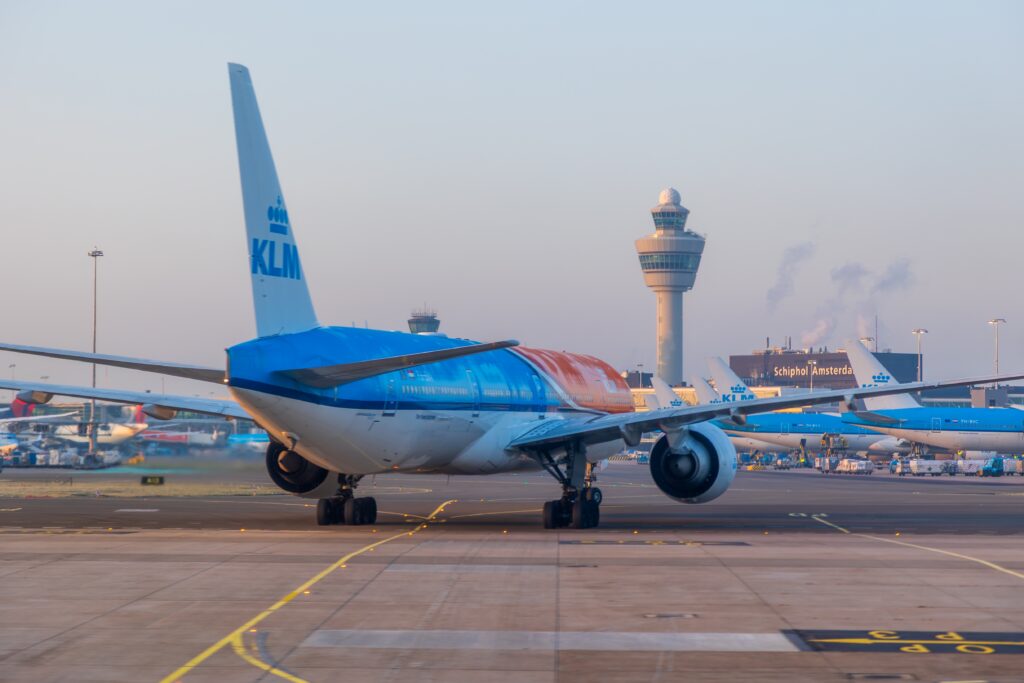
On board the aircraft was a 69-year-old woman who had been a passenger on the MV Hondius cruise ship linked to a major Hantavirus outbreak associated with the deadly Andes strain, which has been linked to human-to-human transmission.
The woman was already suffering gastrointestinal symptoms when she boarded the aircraft, and her condition had already deteriorated to the point that the cabin crew noticed and intervened, removing her from the flight before it departed for Amsterdam.
The following morning, the woman was rushed to the hospital in Johannesburg. She was pronounced dead the same day, although it would be a further nine days before PCR testing confirmed she had been infected with Hantavirus.
After the test came back positive for Hantavirus, contact tracers from the World Health Organization linked her recent travel history to the KLM flight, and efforts were immediately made to inform all of the passengers and crew.
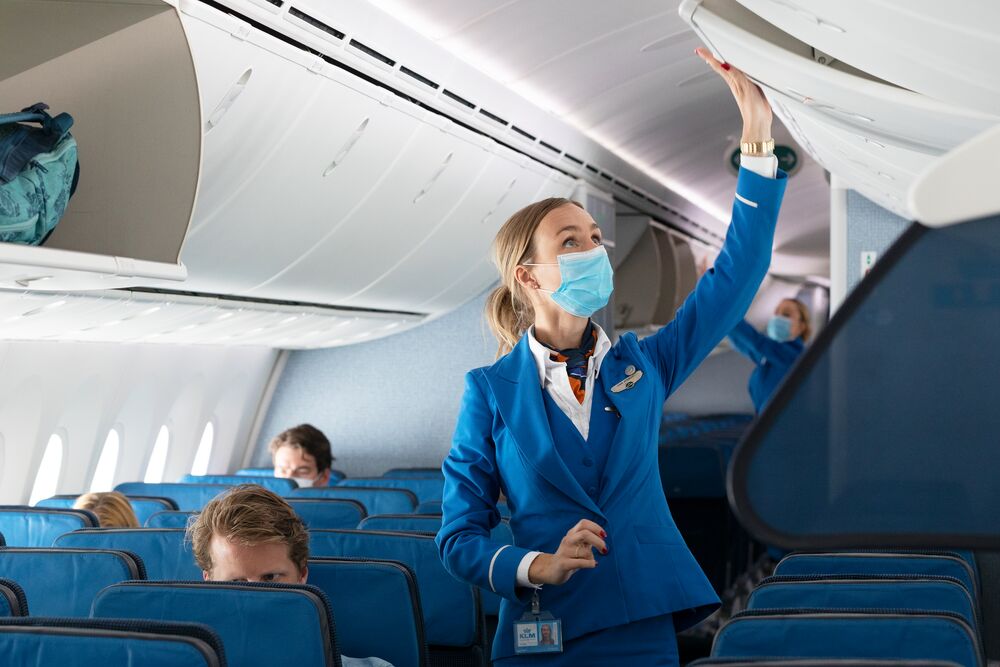
Two passengers who had been sitting close to the woman on board the plane, along with the flight attendant who had close contact with her, reported cold-like symptoms and were transferred to a hospital in the Netherlands for isolation and emergency testing.
The tests for the two passengers were returned as negative on May 7, while the Dutch National Institute for Public Health, known as the RIVM, confirmed on Friday that the third test involving the flight attendant had also come back as negative.
Experts have moved to reassure worried travelers that while human-to-human transmission of the Andes strain of the Hantavirus is possible, it remains rare and usually requires prolonged close contact.
The woman who had boarded the KLM flight with Hantavirus is believed to have caught the virus from her husband, who was the first person to die from this outbreak, just days after the MV Hondius set sail from Ushuaia, Argentina, on April 1.
All other linked cases have, so far, been passengers aboard the MV Hondius, including a third person who tragically died from Hantavirus while aboard the vessel and a male passenger who remains in intensive care in a hospital in Johannesburg.
Public health authorities remain in contact with passengers who were sitting close to the woman on the KLM flight, while passengers sitting elsewhere on the plane have been asked to self-monitor and report any symptoms.
In a statement, the RIVM said the “chance that people in the Netherlands will get sick because of this situation is very small.”
“There is no risk to public health and no cause for concern. The organizations involved are carefully monitoring the situation.”
Health authorities in South Africa are also tracing passengers aboard a regional Airlink flight from the remote British Overseas Territory of St Helena to Johannesburg which the woman was onboard for around four and a half hours on April 24.
No one from this flight has tested positive for Hantavirus.
The incubation period for Hantavirus infection can take as long as eight weeks, so while initial signs suggest that the outbreak is well contained, public health officials are still asking passengers who may have been exposed to the woman to remain vigilant.