



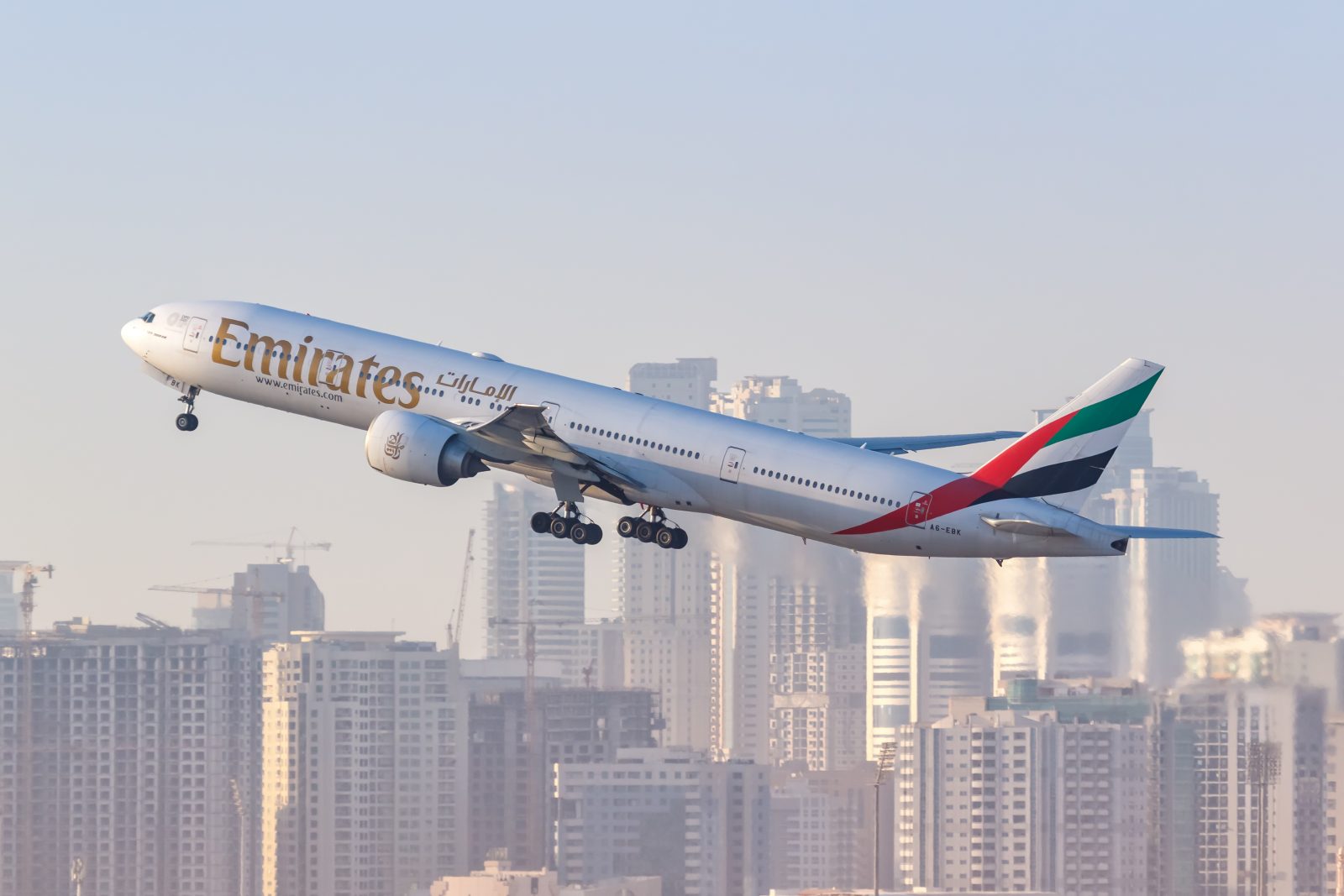
Flight restrictions that had stymied airlines in the United Arab Emirates from restoring their full pre-Iran war timetables have finally been lifted by the country’s civil aviation regulator after what is described as a “comprehensive evaluation of operational and security conditions.”
Airlines like Dubai-based Emirates and FlyDubai, as well as Etihad Airways in neighboring Abu Dhabi, have been forced to use special ‘safe air corridors’ since early March that have limited the number of flights that can take off and land per day.
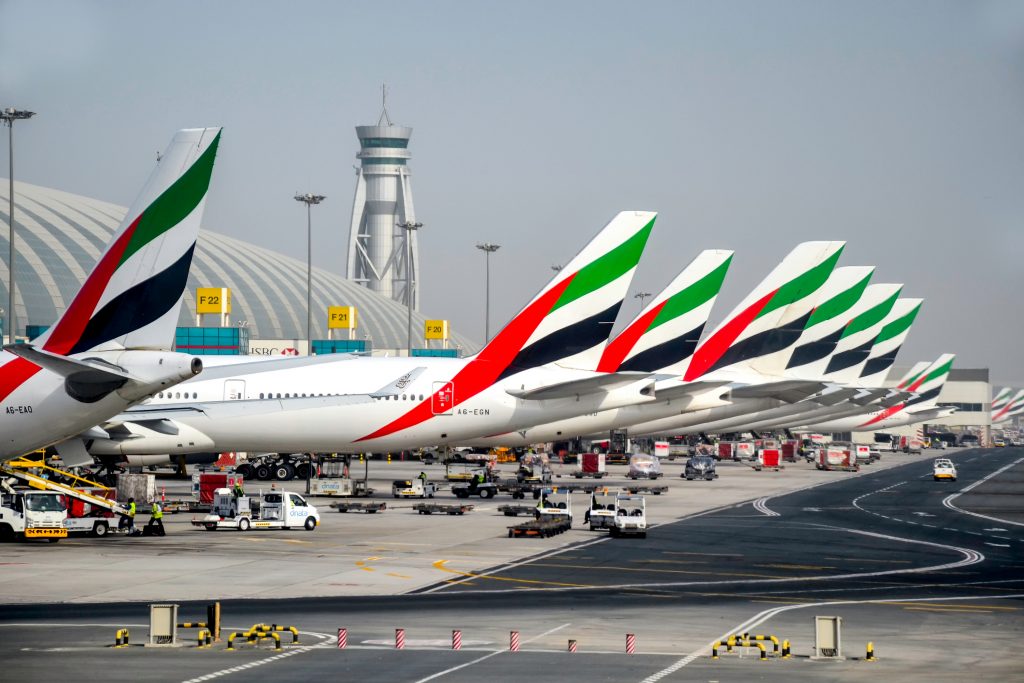
While Emirates has rebuilt nearly 80% of its pre-war schedule, according to data supplied by the popular flight tracking website, Flight Radar 24, it appears that the airline has been given priority over its smaller sibling, FlyDubai.
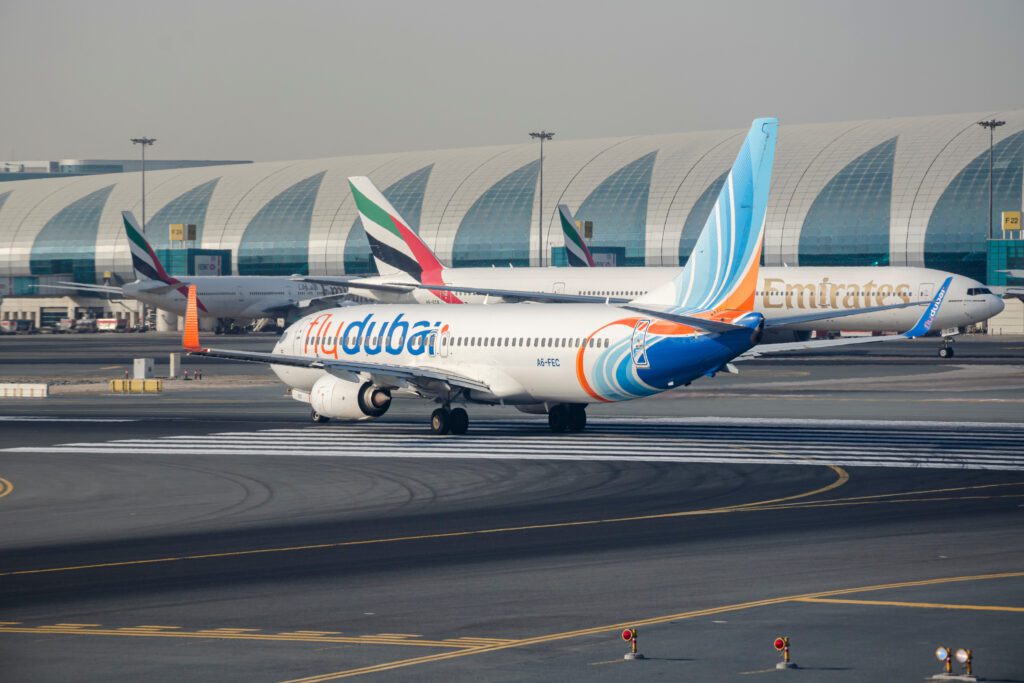
FlyDubai has remained stuck at around half of its pre-war timetable, despite a ceasefire that has stopped Iranian kamikaze drone and ballistic missile attacks on the city.
That could be to do with the fact that Dubai International Airport (DXB) has been forced to limit daily flight movements, which has also affected international carriers quite significantly.
Thankfully, those restrictions have been lifted as of May 2, with the UAE’s General Civil Aviation Authority announcing the “full resumption of normal air navigation operations within UAE airspace and the lifting of temporary precautionary measures.”
A statement from the GCAA continued: “The decision was taken after a comprehensive evaluation of operational and security conditions and in coordination with relevant authorities. Continuous real-time monitoring remains in place to ensure the highest levels of aviation safety.”
In April, the government of Dubai was accused of unfairly helping Emirates and FlyDubai when the ceasefire was first announced by limiting foreign carriers to operating just one daily flight to the city.
The Federation of Indian Airlines was so enraged by the flight cap that it called on the Indian government to intervene, either to convince officials in Dubai to ease the restrictions or, if needed, slap Emirates and FlyDubai with reciprocal capacity caps.
Airspace across much of the Middle East was closed down on February 28 when the US and Israel launched a military offensive on Iran, over fears that retaliatory action would target cities throughout the Persian Gulf.
Within hours, those fears were realized when Iran targeted Bahrain, Qatar, Kuwait, and the UAE with salvo after salvo of missile and drone attacks. On the first day of the conflict, both Dubai International Airport and Kuwait International Airport took direct hits from Iranian kamikaze drones.
Within days, though, officials in the UAE announced that flights could resume using safe air corridors. Flights had to be routinely suspended due to the threat of further attacks, although, as time went on, airspace restrictions were imposed only for short periods.
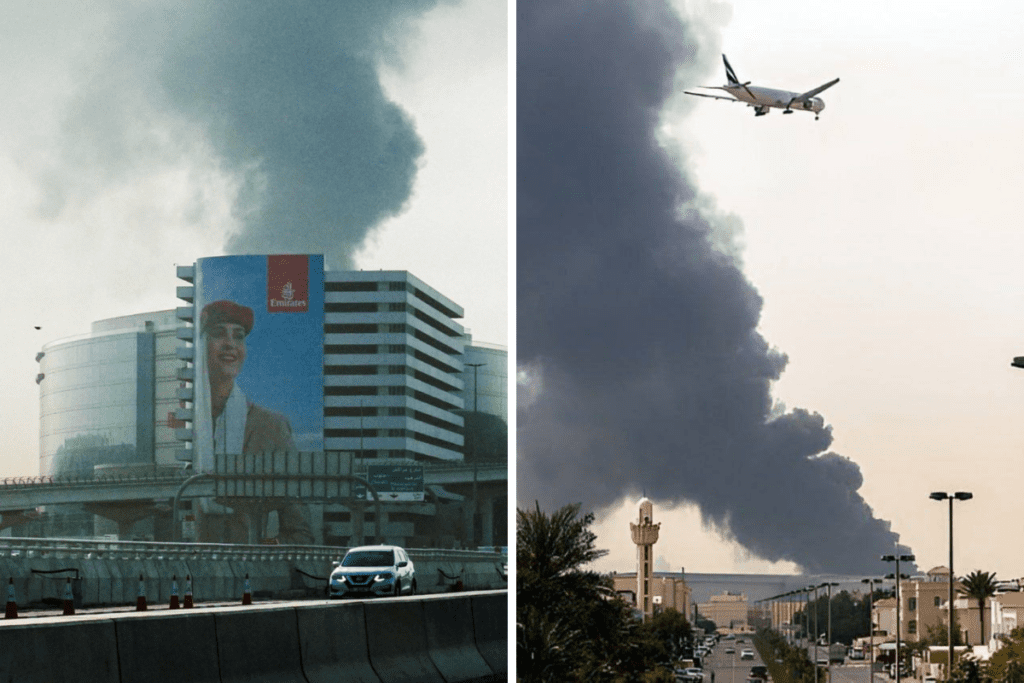
Even when an Iranian drone hit a massive fuel tank at Dubai Airport, the airspace was only shuttered for less than half a day before flights resumed to and from the airport.
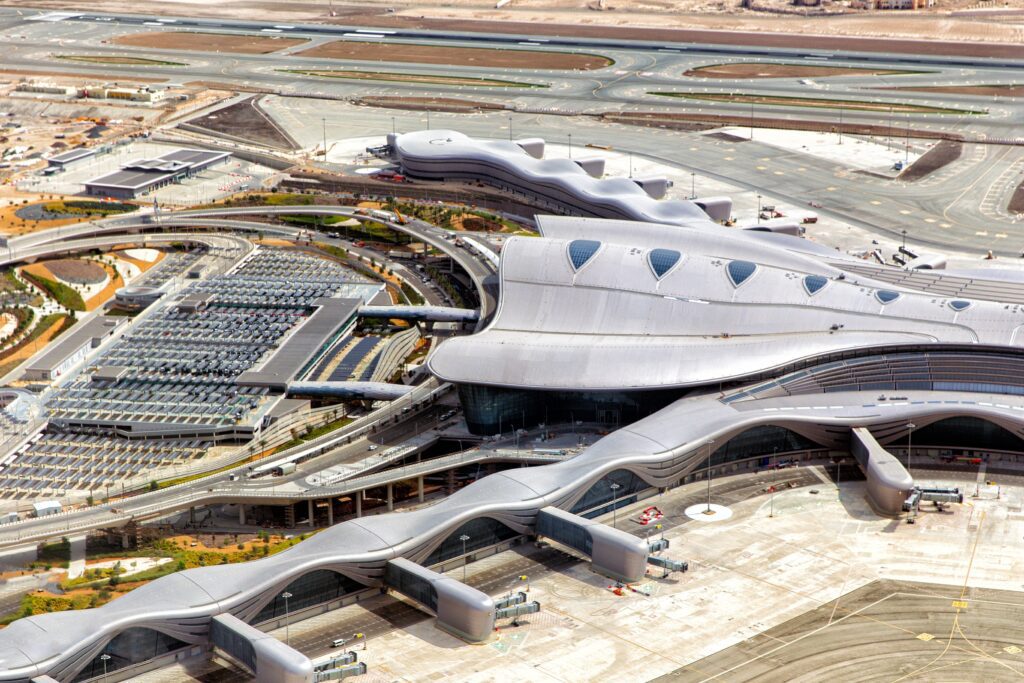
Following the update from the GCAA, Emirates announced that it was now operating to over 100 destinations, albeit with a reduced schedule.
Whether the airline quickly restores its full timetable will depend on whether travel demand and booking data support a full schedule resumption. With the security situation in the region remaining fluid, it remains to be seen whether passengers will flock back to flying with Emirates in the near term.
The airline’s longtime President, Sir Tim Clark, remains confident, however, that the current downturn is little more than a blip, and given Emirates’ strong brand image and reputation, it will not be long before the carrier is back on track.
Want to see more stories like this? Add PYOK as a preferred source on Google, and we'll show up more often in your searches and Google News.
Add PYOK as a Preferred Source