



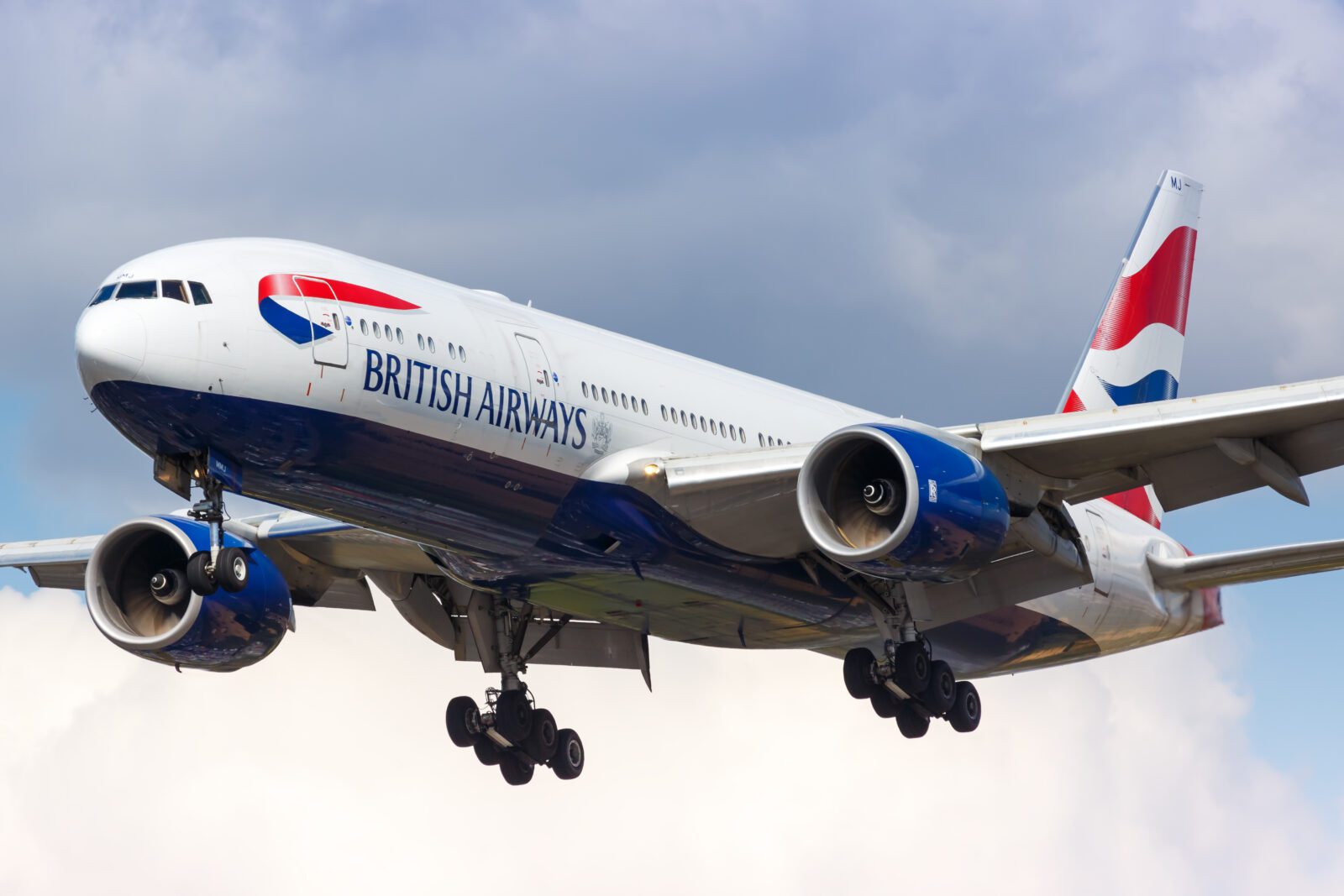
Just over a month ago, British Airways attracted a significant amount of attention when it bucked an industry trend by deciding to allow passengers to make and receive voice and video calls on airplanes equipped with fast and free Wi-Fi powered by Starlink.
A backlash over the decision quickly ensued, with frequent flyers worrying that British Airways flights could be transformed from restful moments in the sky to loud and irritating affairs with passengers shouting into their mobile phones, iPads, and laptops for hours on end.
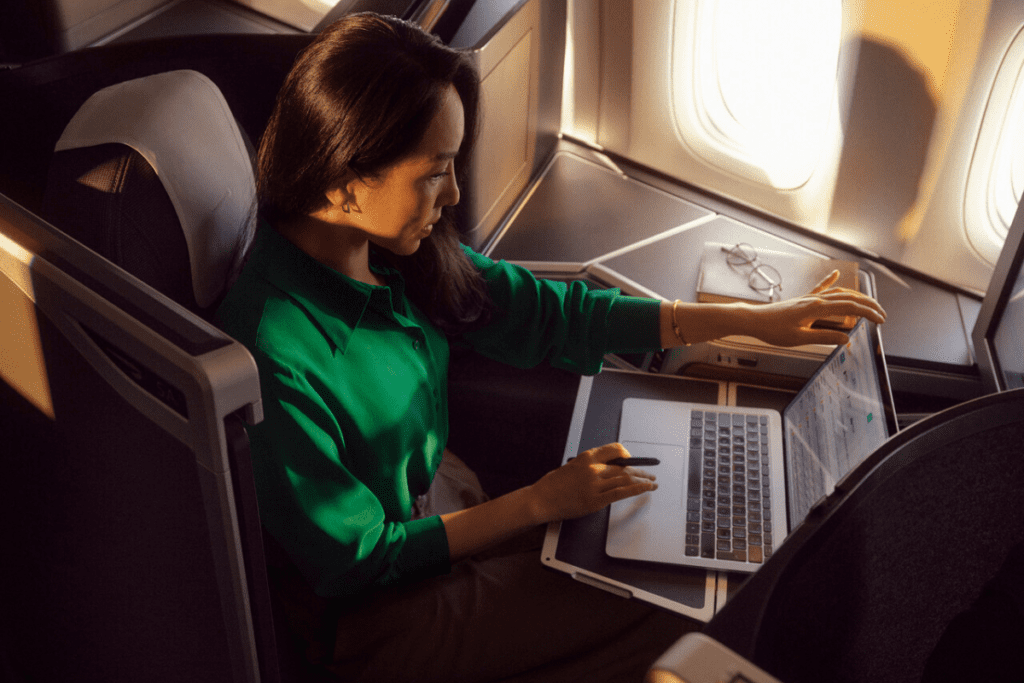
British Airways has just responded to that criticism, not by reversing its policy, but by doubling down on it. Voice and video calls are now permitted across the British Airways aircraft fleet where Wi-Fi is installed… Not just on airplanes equipped with the next-generation Starlink service.
The reasoning is fairly simple: British Airways has looked at how people want to use in-flight Wi-Fi and concluded that the ability to keep in touch with loved ones through phone calls, or FaceTime, as well as taking part in work meetings via Zoom calls, is fast becoming a priority for an increasing number of passengers.
If the airline were to continue its ban, passengers would flout the rules and create conflict with cabin crew, who would be charged with enforcing the ban.
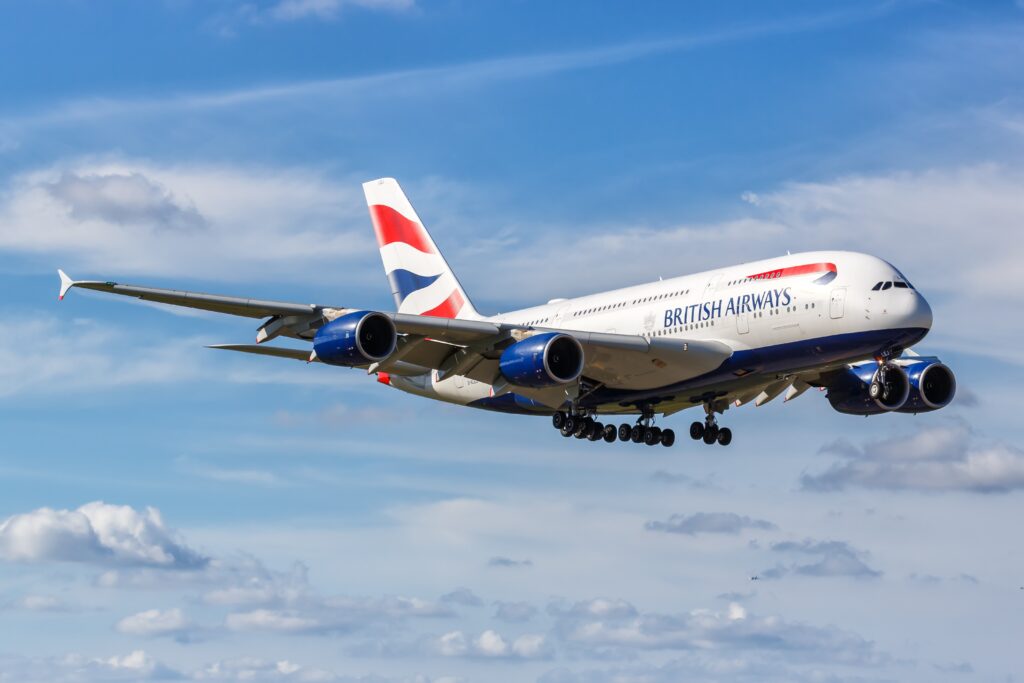
Until now, it was believed that voice and video calls would only be allowed on airplanes equipped with Starlink because the older Wi-Fi systems fitted on other planes wouldn’t have enough bandwidth to support multiple passengers trying to make a video call.
That worry has now gone out the window as BA rushes to align its policies across its network, ensuring that passengers don’t end up in a situation where they are allowed to make a voice or video call on one flight but then admonished and threatened by the cabin crew for doing so on another flight.
British Airways does, however, share the following guidelines for passengers looking to take advantage of the new freedom:
To make sure every customer has an enjoyable flight, we ask you to follow these guidelines:
- If you’re making a call, keep your voice low and use headphones.
- Please always use headphones when watching or listening to content on your device.
- Please do not access anything offensive, or watch or download inappropriate content (please note some sites are blocked).
British Airways is taking what it sees as a commonsense approach to an issue, and developing its policies based on changing passenger priorities. After all, if you went back just seven or eight years, there was no real demand to have in-flight Wi-Fi.
Nowadays, in-flight Wi-Fi is pretty much a non-negotiable for an increasing number of passengers, which would explain why airlines are rushing to install services like Starlink to keep up with that demand.
The voice and video call policy brings BA in alignment with carriers like Emirates and Qatar Airways, which have long allowed in-flight connectivity, but what British Airways now allows stands in stark contrast to its U.S. rivals.
Voice and video calls have been explicitly banned on U.S. airlines since the FAA Reauthorization Act of 2018, and in 2020, the U.S. Federal Communications Commission confirmed it was abandoning a proposal to expand the use of cellphones on airplanes.
The U.S. ban was introduced after fierce campaigning from the likes of the Association of Flight Attendants (AFA-CWA), which had warned that “expanded cell phone use would compromise Flight Attendants’ ability to maintain order in an emergency, increase cabin noise and tension among passengers, and add unacceptable risk to aviation security.”
The ban applies to all U.S. commercial passenger planes but, importantly, does not extend to foriegn carriers flying to and from the United States.