



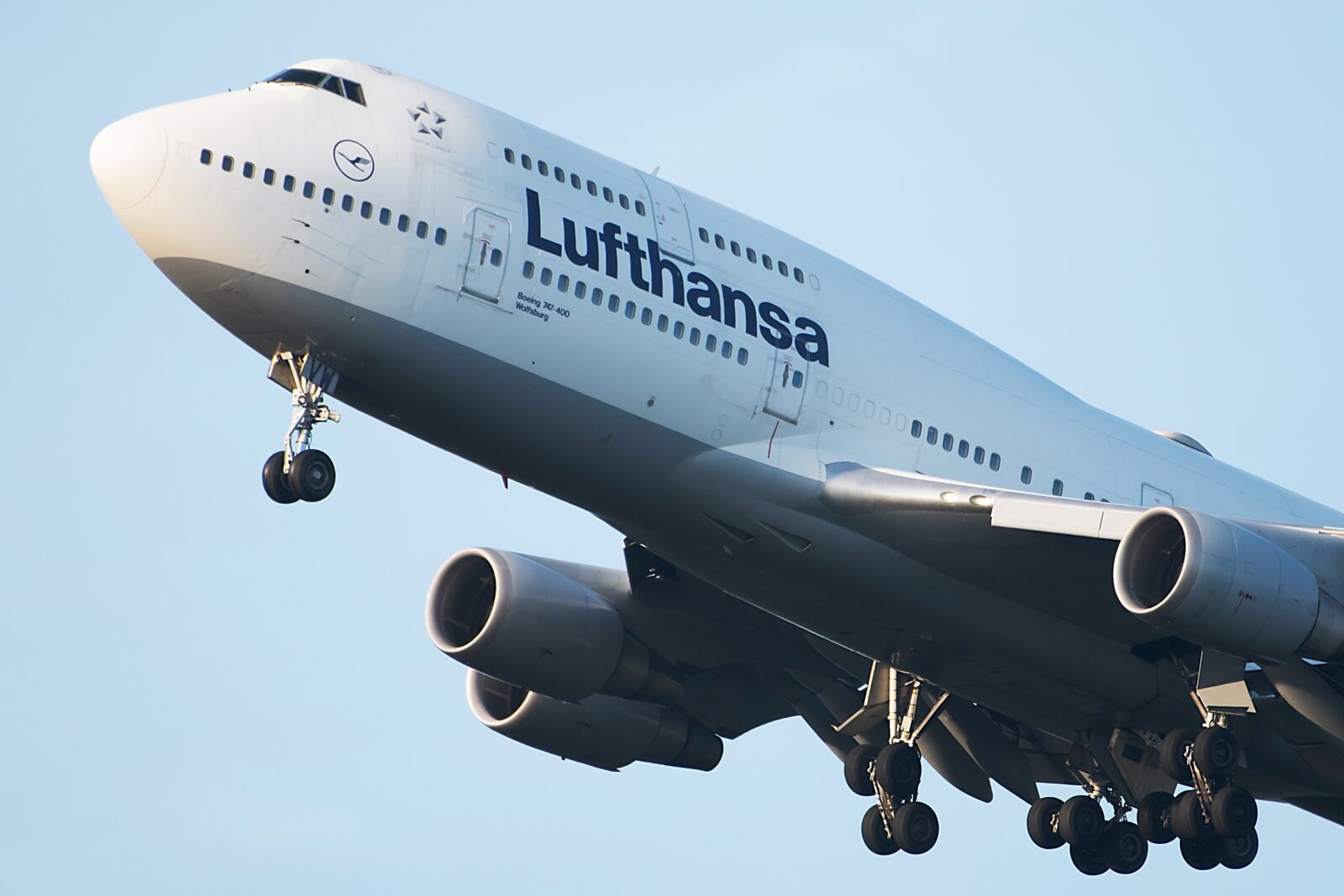
One of Europe’s largest airline groups, which owns major brands in Austria, Belgium, Italy, Germany, and Switzerland, has gone on the record to reassure anxious travelers that the what appeared to be the very real risk of mass flight cancellations due to jet fuel shortages has been pretty much resolved.
Dieter Vranckx, Chief Commercial Officer of the Lufthansa Group, confidently stated on Wednesday that “there are no signs from our suppliers that fuel supply will be at risk this summer,” and that passengers can go ahead and book summer vacations in confidence.
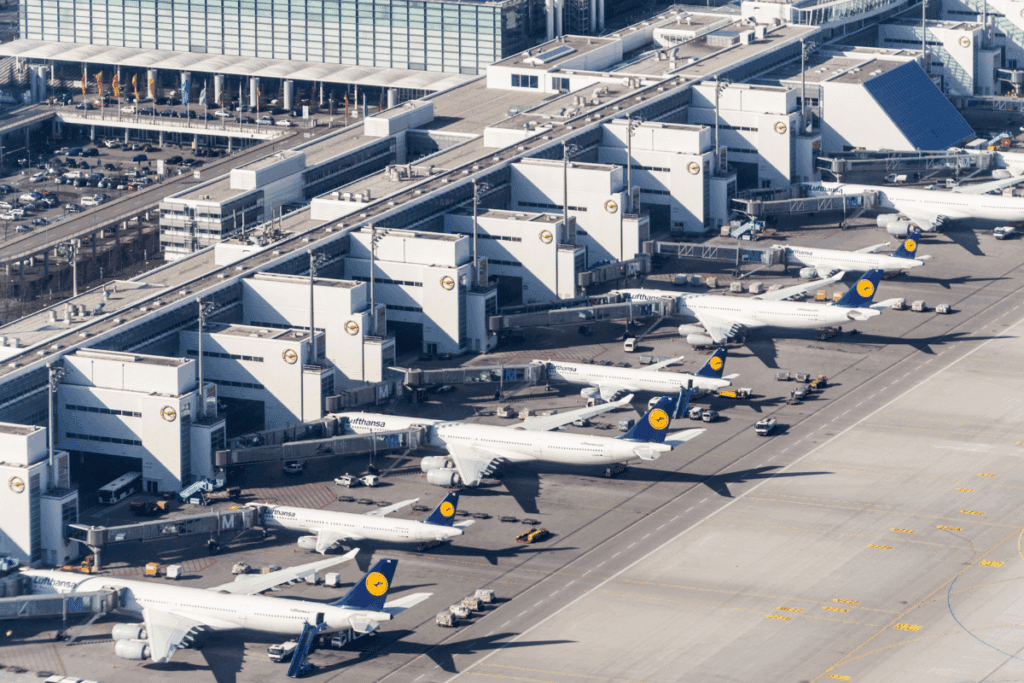
For years, Europe and the United Kingdom have sourced most of their jet fuel from the Persian Gulf, with shipments required to pass through the Strait of Hormuz, which has now been shuttered to nearly all commercial shipping since February 28, when the US and Israel launched a military offensive on Iran.
In response, Iran announced that it was shuttering the Strait of Hormuz and threatened to attack any ship that attempted to pass through the vital shipping lane.
There wasn’t any immediate effect on jet fuel supplies, as there were still shipments from the Middle East that had already passed through the Strait but were still en route to Europe when the military operations began.
It was initially feared, however, that once these shipments had arrived in Europe, it would only be a matter of time before jet fuel tanks at airports across the continent would start to run dry.
The Lufthansa Group even started to proactively cancel some flights, but it appears that the airline group’s worst fears were unfounded, as fuel companies raced to source jet fuel from the United States, Africa, and the Nordics.
“Imports are now increasingly reaching us from other continents — for example, from North America and Africa. In addition, European refineries have ramped up their jet fuel production to maximum capacity,” explained Vranckx.
Vranckx added: “Fuel supply is stable, so summer’s good to go.”
The Lufthansa Group comprises of its namesake Lufthansa brand, alongside Austrian Airlines, Brussels Airlines, ITA Airways, SWISS International Air Lines, as well as low-cost brands like Discover Airlines and Eurowings.
Vranckx’s assessment of the current jet fuel situation across Europe is echoed by other airline groups, including Ryanair and IAG, which is the parent company of Aer Lingus, British Airways, Iberia, and Vueling.
While airlines are increasingly confident that they can operate their planned schedules for the foreseeable future, the soaring cost of jet fuel remains a real problem for many airlines.
European airlines are far more likely to ‘hedge’ their fuel supplies, a practice in which airlines buy a percentage of their fuel needs at a set price in advance. Should the cost of jet fuel go up, the fuel company takes the hit, not the airline.
Lufthansa has hedged around 80% of its fuel supply needs for 2026, but the airline mainly hedged in crude oil and gasoil, not aviation fuel. As a result, Lufthansa has taken an estimated $1 billion hit from its hedging position.
Ryanair has also hedged around 80% of its jet fuel supplies into 2027, while the IAG Group is more exposed, hedging 75% of its fuel needs for the first quarter of 2026, dropping to 64% in Q2, 58% in Q3, and just 50% in the last three months of the year.
Smaller airlines that aren’t in a financial position to hedge their fuel supplies are in a far more difficult position, and Ryanair’s outspoken chief executive, Michael O’Leary, has sounded the alarm over potential airline bankruptcies in the months ahead.
O’Leary has shown little interest in buying failing airlines, but has suggested Ryanair would snap up assets should airlines fall into liquidation.