



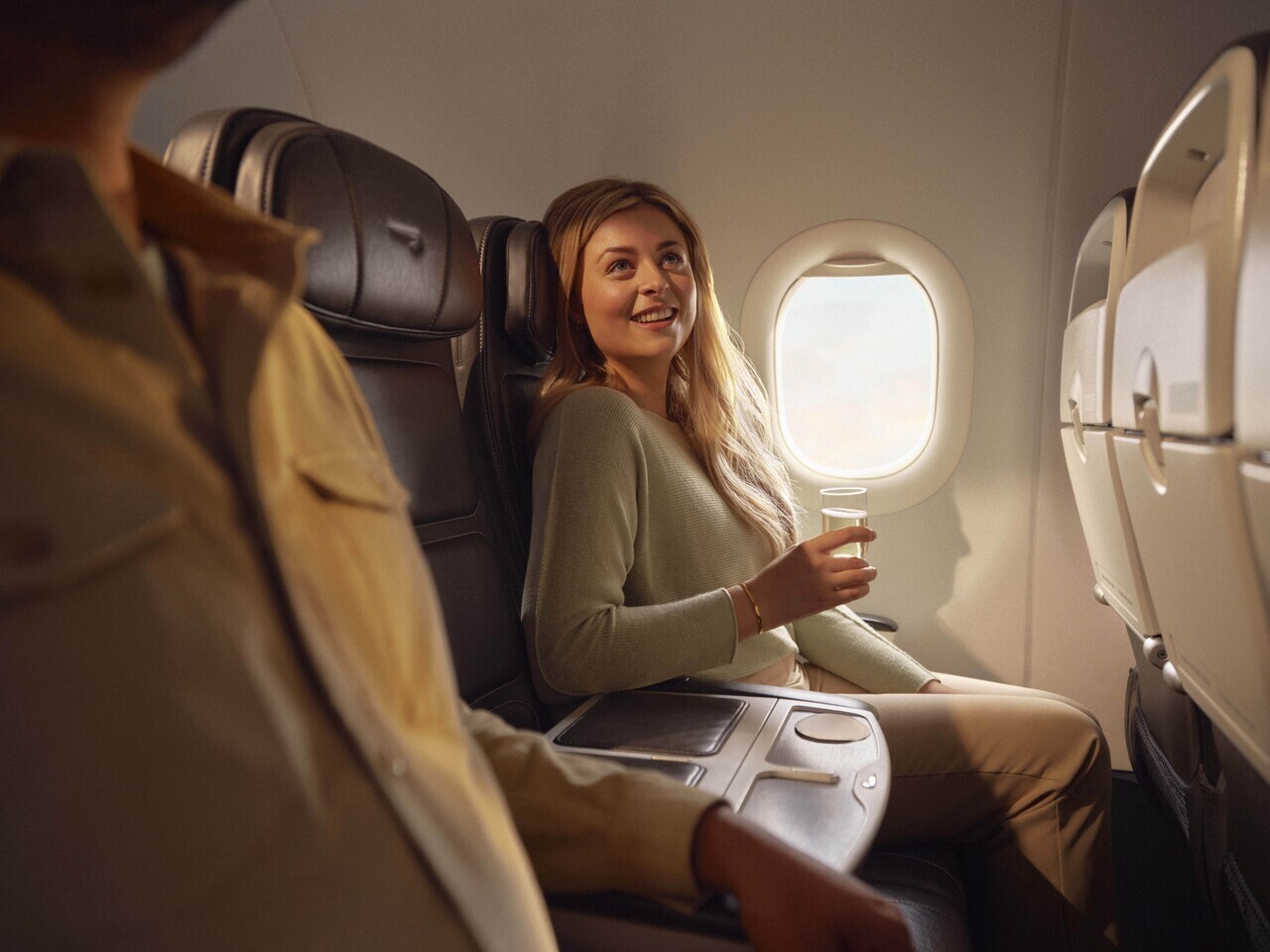
British Airways passengers have been left outraged after discovering that the penny-pinching airline is planning to remove the “last hint” of luxury from its Club Europe short-haul Business Class cabin by no longer demarking premium seats with a fabric headrest cover.
Of course, like many other European carriers, British Airways uses the exact same seats in its short-haul Business Class cabin as it does throughout the rest of the aircraft.
There’s no additional legroom (which is actually less than Ryanair), although the middle seat is blocked out, with the addition of a center console on most aircraft. The only other way to tell a Club Europe seat from an Economy seat was the addition of pristine white headrest covers.
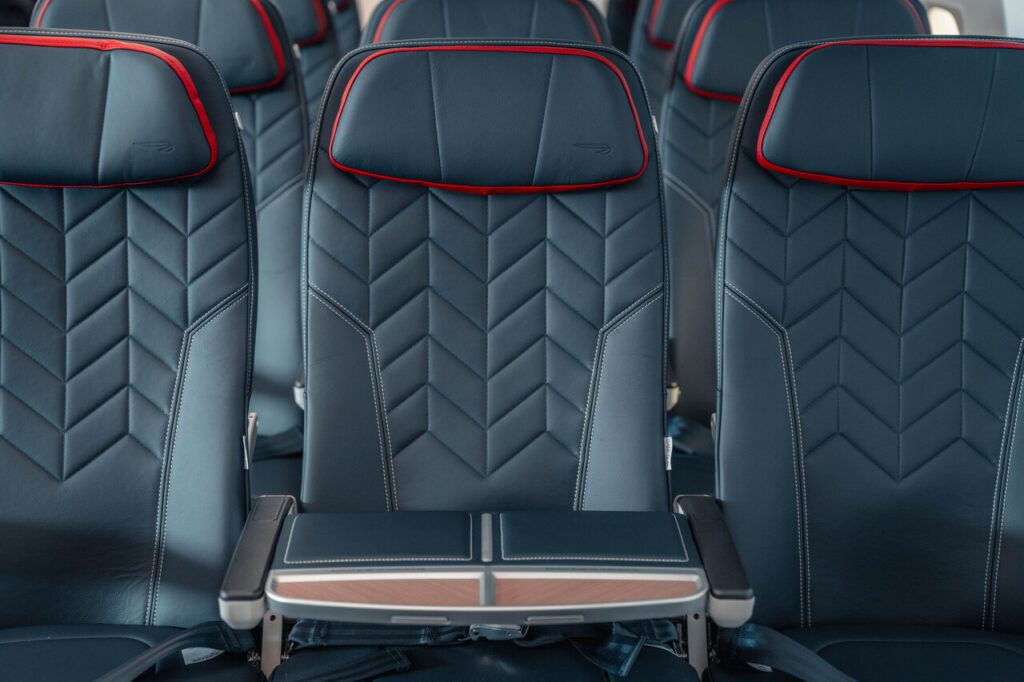
From May 6, however, British Airways will no longer place headrest covers on seats being sold as Club Europe. The airline says the change is needed to reduce the workload of cleaners in between flights, thereby reducing turnaround times and ensuring that flights aren’t delayed.
One of the reasons why replacing headrest covers can take so long is that British Airways is able to dynamically change the size of its Club Europe based on demand from one flight to the next.
The size of the cabin might go from 8 seats to 48 seats from one flight to the next, or vice versa, meaning that cleaning teams have to swap over headrest covers across multiple rows of seats.
By removing headrest covers altogether, all the cleaning teams have to do now is shift a movable divider kitted out with a curtain along a track mounted in the overhead bins.
Formally known as antimacassars, headrest covers became popular in the Victorian era when it was all the craze amongst men to slick back their hair with Macassar oil (hence the name). The oil would, however, leave a nasty, greasy stain on fabric furniture, so headrest covers were brought about to deal with this problem.
British Airways has not, however, used upholstered seats on its short-haul aircraft for many years now, so there isn’t actually any real need for an antimacassar, apart from aesthetic purposes.
The leather headrests currently used can simply be wiped down between flights, although, of course, whether cleaning teams on the clock actually do this is another matter altogether.

The situation is slightly different on BA’s long-haul aircraft fleet, where upholstered seats are widely used, necessitating antimascassars across all cabins: Fabric covers in First, Club Europe Business Class and World Traveller Plus premium economy, disposable paper covers in World Traveller economy.
Even then, though, British Airways might be making changes. Later this month, for example, the airline plans to trial leather-style headrest covers on World Traveller seats across some Airbus A380 superjumbos. These covers do not need to be replaced after every flight.
British Airways has also recently installed a brand new World Traveller Plus on some of its Boeing 787-9 Dreamliners. While most of the seat is upholstered, the headrest is made of leather. At present, a headrest cover is used on these seats, but, presumably, BA could do away with these in the future.
Fabric seat covers can be a bit of a controversial subject, as some passengers fear that upholstered seats collect a lot more dirt, grime, and germs than an all-leather equivalent.
This is particularly prevalent in the United States, where leather seats are routinely used, with the exception of some long-haul Business Class seats, such as United’s Polaris seats and suites.
Even then, however, U.S. carriers have long used leather headrests on premium seats, thereby eliminating the need for antimacassars.