



The Federal Aviation Administration (FAA) has issued an urgent safety alert to US airlines about the risk posed by popular everyday gadgets carried by passengers like mobile phones, portable power banks, and laptops, that are powered by lithium batteries.
The safety alert follows a spate of recent incidents in which electronic devices carried by passengers and even crew members have overheated and caught fire, prompting emergency diversions and evacuations onto the tarmac.
FAA Issues Urgent Safety Alert on Lithium Batteries
The FAA’s latest advice suggests that US airlines need to urgently review whether their current firefighting procedures are sufficient and whether additional restrictions need to be placed on passengers.
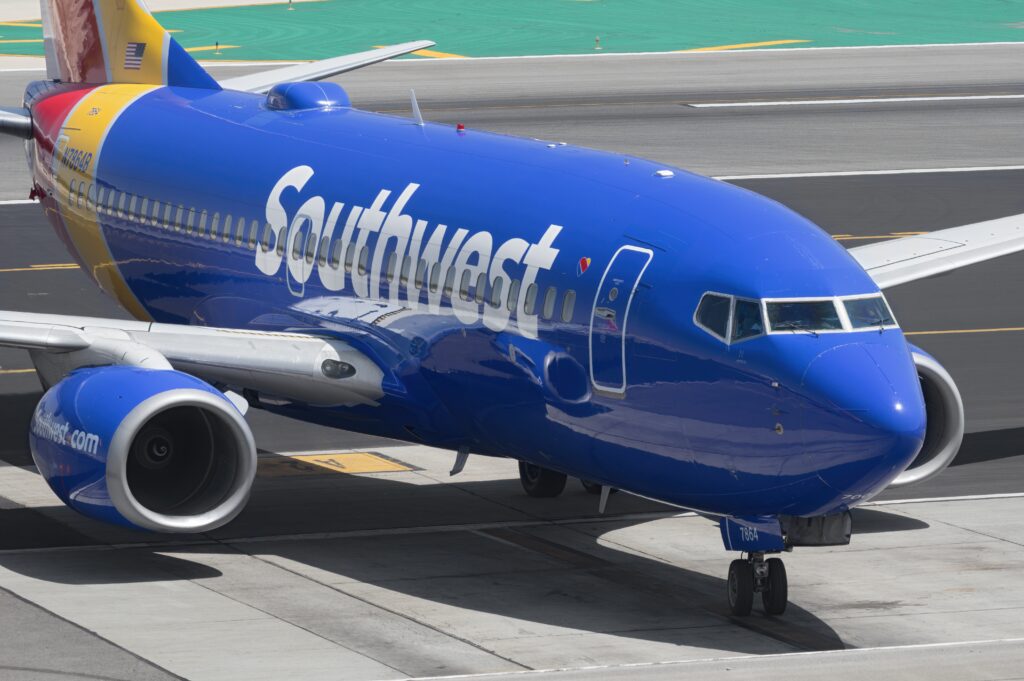
A growing number of major international carriers are introducing new safety measures to reduce the risk posed by onboard lithium battery fires, although Southwest Airlines is currently the only US carrier to have introduced new rules for passengers carrying portable power banks with them.
The risk posed by lithium batteries has been well known for years, and the Department of Transportation has banned passengers from packing lithium batteries in their checked luggage since 2008.
Explainer: Why Are Lithium Batteries So Dangerous?
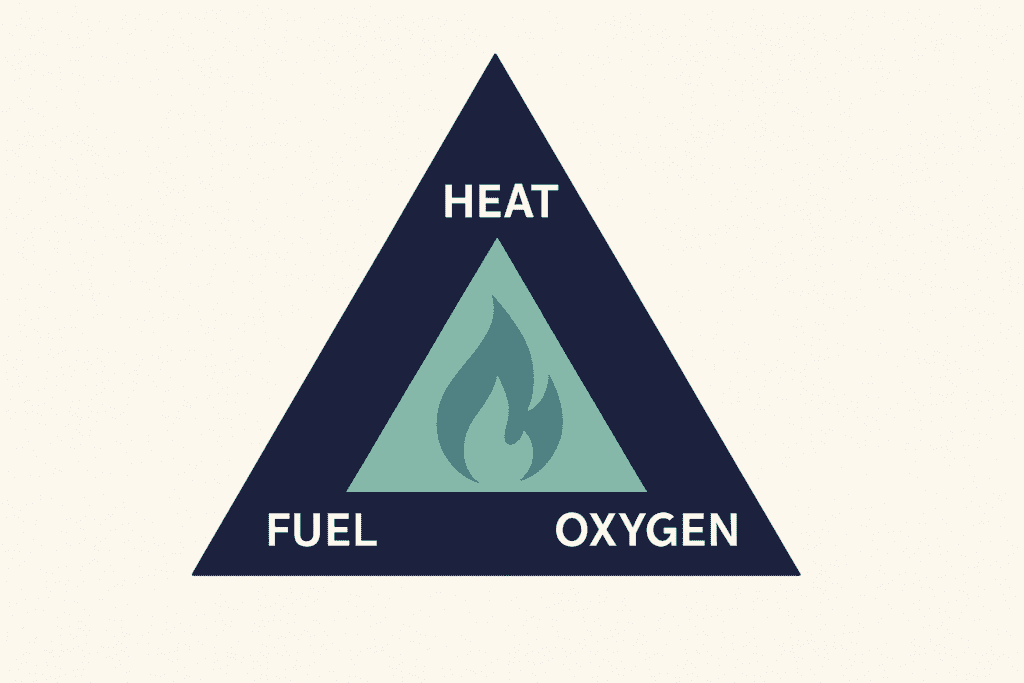
Lithium batteries are made up of many fuel cells, and when one of these cells overheats, it can lead to a process known as thermal runaway in which heat is quickly transferred from one fuel cell to another.
This process can create lots of sparks and smoke, as well as a fierce fire, which is difficult to extinguish as the heat spreads from one fuel cell to the next.
While many modern gadgets, including mobile phones and vapes, are powered by lithium batteries, airlines are most concerned about the risk posed by portable power banks.
These pose a greater risk not only because they generally have a lot more fuel cells than other electronic devices, but also because they don’t always have an internal trickle system, which slowly adds current into the battery to prevent overcharging.
In recent years, however, there has been a rapid increase in the number of lithium batteries carried by passengers in their carry-on luggage, and this has led to a rise in the number of fires involving these devices on board planes.
The Incident That Led To New Restrictions
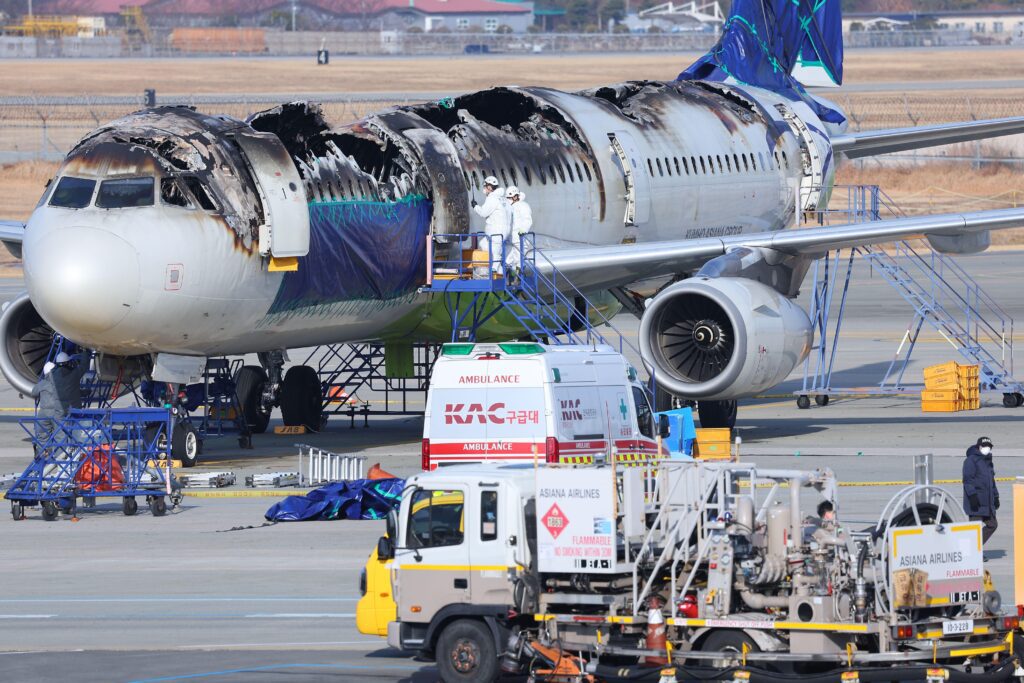
Perhaps the most serious of these incidents was a fire that broke out on an Air Busan plane in South Korea in January. A passenger’s portable power bank overheated and caught fire in the overhead bin, but no one noticed until smoke started to pour out of the closed compartment and into the cabin.
By this point, the fire was already rapidly spreading to surrounding bags, and flight attendants were unable to contain the fire. Thankfully, the plane was still on the ground and passengers were able to evacuate via emergency slides.
Several minor injuries amongst the passengers and crew were reported, and the Airbus A321 aircraft was completely gutted by fire.
To date, lithium battery fires on US airplanes have been quickly contained, although the FAA is now asking airlines to review their procedures, making sure that crew training and fire-fighting equipment are capable of dealing with lithium battery fires.
Fire Bags Could Be Ditched For Something Alot More Low Tech
In particular, the FAA has seemingly called out the practice of US airlines using special ‘fire containment bags‘ to fight lithium battery fires.
These fireproof bags are designed to ‘suffocate’ the fire by removing oxygen, although the FAA says the “primary response” to fight a lithium battery fire
should be to use “large amounts of water to cool the battery and suppress flames.”
“Cooling the device with water is essential to prevent the reaction from continuing until all cells have discharged their energy,” the safety advice continues.
Official FAA training materials recommended that flight crew use fire extinguishers and other readily available non-flammable liquids like water, juice, or even soda to dampen and cool an overheating device before completely submerging it in water.
The FAA training materials from 2021 do not recommend the use of fire containment bags.
Several major carriers currently use fire containment bags, including Hawaiian Airlines, American Airlines, Southwest Airlines, United Airlines, and Delta Air Lines.
FAA Presses Airlines To Introduce New Safety Rules
In addition, the FAA is also recommending that airlines conduct detailed risk assessments that could see them implement similar passenger safety measures that have already been introduced by Southwest Airlines.
The FAA alert reads:
“Safety risk assessments should consider the hazard posed by the stowage of lithium batteries in areas not visible or easily accessible to passengers or crewmembers, such as in overhead bins or in carry-on baggage.”
What this might mean in practice is that other US airlines copy the lead of Southwest Airlines, which, in May, introduced new rules around the use of portable power banks:
- Passengers can still bring portable power banks with them in their carry-on luggage, but they must remain vigilant when using them.
- When being used to charge another device, the power bank must remain in sight of the passenger and easily accessible.
- Power banks should not be used to charge another device when tucked away in an overhead bin.
Other international airlines have gone further in restricting the use of portable power banks, with some saying that power banks should not be stored in the overhead locker at all, and others banning passengers from charging their power banks via the plane’s in-seat power supply.

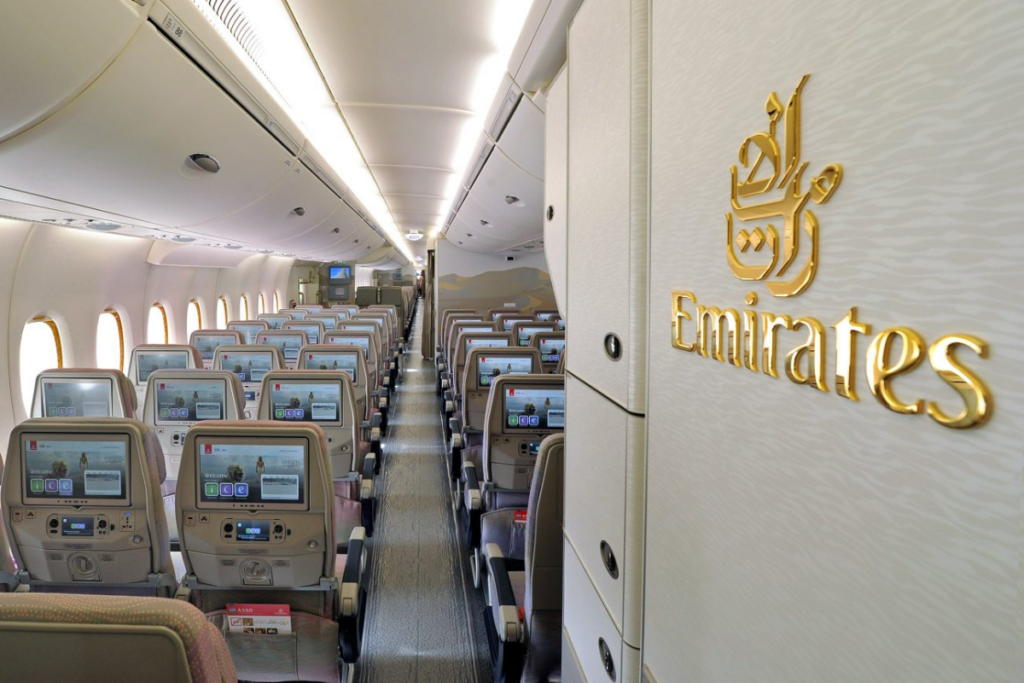
On October 1, Emirates will introduce some of the strictest lithium battery rules, banning passengers from using their power banks to charge other devices.
Finally, the FAA suggests that airlines go much further in educating passengers about the risks of lithium batteries, going into detail over how these batteries can overheat, and why it’s important that they are not damaged or placed in concealed areas like overhead bins.
Matt’s take – Fire Containment Bags Are a Controversial Way to Deal With Mobile Device Fires
As an experienced flight attendant, I’ve argued for a long time that fire containment bags are not the best way to deal with a lithium battery fire, and that airlines should instead be training crew members to douse and submerge overheating devices in water.
Ideally, of course, the best way to cool down an overheating lithium battery would be to cover it in sand, but airlines don’t carry piles of sand on their flight for firefighting purposes, so water and other non-flammable liquids are the next best alternative.