



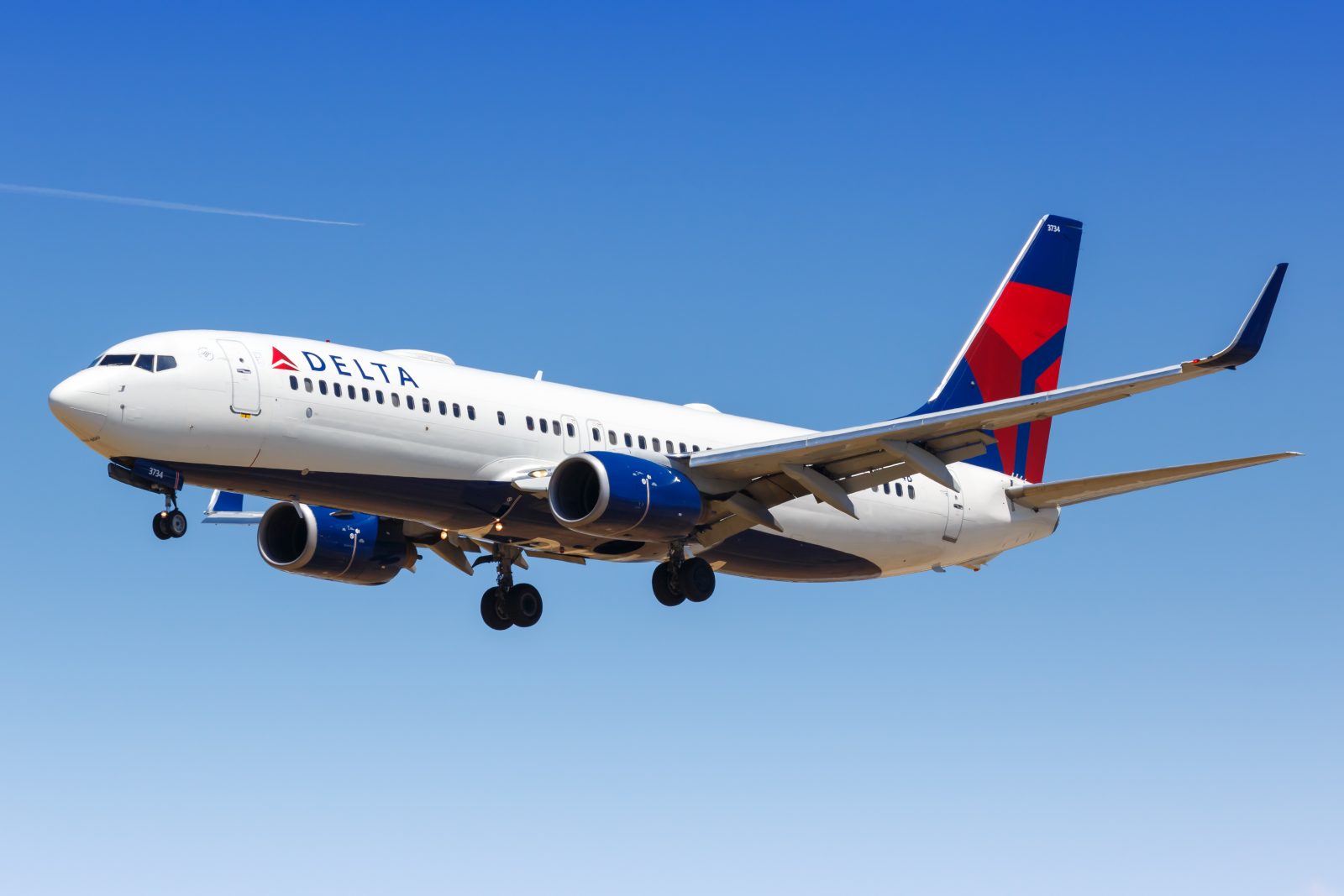
Delta Air Lines has been stripped of its antitrust immunity in a joint venture with Aeromexico on flights between the United States and Mexico due to a dispute over the use of Mexico City’s Benito Juárez International Airport.
The Trump administration had accused the Mexican government of abusing a so-called ‘Open Skies’ deal with the US by limiting slots at Mexico City’s key international gateway airport and trying to force airlines to move to a lesser-used airfield on the outskirts of the city.
The slot restrictions had been imposed because Benito Juárez International Airport is not only nearing capacity, but also because the government had promised to carry out major improvement works that would further limit the number of flights that could serve the airport until they are complete.
However, those long-awaited improvement works are yet to materialize, and airlines are facing restrictions even though construction hasn’t yet started.
The Department of Transportation (DOT) took the view that the restrictions imposed on US and other foriegn airlines by the Mexican government unfavorbly benefited Aeromexico which retains the bulk of the slots at Benito Juárez Airport.
As most travelers to Mexico City want to fly the Benito Juárez Airport, the DOT views Aeromexico’s and, in turn, Delta’s dominance at the airport as anti-competitive.
When the DOT first announced in July that it intented to strip Delta and Aeromexico of their anti-trust immunity over the dispute, the Mexican government offered several concessions to stop any actions from being taken.
US airlines who have had their take off and landing slots at Benito Juárez Airport ‘confiscated’ should have them returns in the coming seasons, while a new regulator will be established to manage slot allocation in the future.
These concessions were not, however, enough to stop the DOT from pushing ahead with it termination of anti-trust immunity for Delta and Aeromexico. In a final order issued on Monday, the DOT said the current concessions remained an “evolving situation” and key questions were still “unanswered.”
Although the DOT welcomed the concessions as a positive step forward, anti-trust immunity will be suspended as of January 1, 2026.
In a statement, a spokesperson for Delta said the airline was “disappointed” by the ruling and that the decisions would “cause significant harm to U.S. jobs, communities and consumers traveling between the U.S. and Mexico.”
The statement added: “We are reviewing the Department’s order and considering next steps.”
For now, Delta reassured passengers that all flights would continue to operate as normal. The DOT had originally planned to terminate the anti-trust immunity deal for Delta and Aeromexico by the end of October 2025, but this was extended due to “practical challenges’ involved in ending the two carrier’s joint venture.