



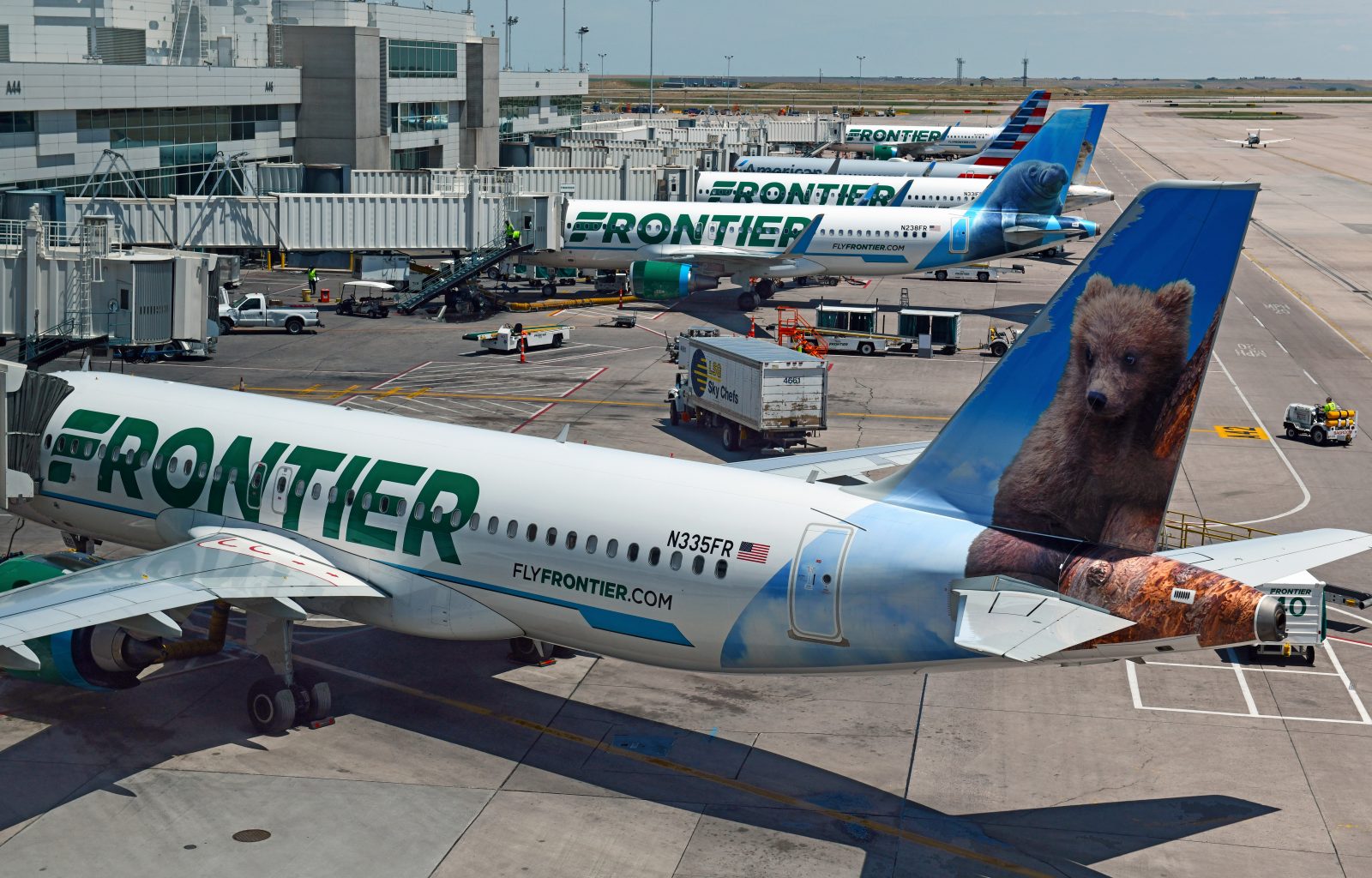
The chief executive of Frontier Airlines has hit back at claims that the low-cost airline model in the United States is nearing its end, saying it was very much “alive and well” despite rival budget carrier Spirit Airlines entering bankruptcy for the second time in less than 12 months.
Speaking at a travel conference in New York on Wednesday, Barry Biffle attempted to put up a robust defense of the low-cost airline model after his peer, Scott Kirby at United Airlines, declared that the end of budget carriers was nigh.
Kirby has made no secret of the fact that low-cost airlines are doomed to fail in the unique US aviation market, but his latest comments on the matter, which were made at an airline conference in Los Angeles last week, have gone viral.
Despite the low-cost airline model working in many other aviation markets around the world, Kirby insisted that “you can’t have a business model that customers hate. You can’t have a business model predicated on ‘screw the customer.'”
Kirby added that low-cost airlines were “an interesting experiment” that had failed.
Biffle might disagree but Kirby does end up being right; that would undeniably mean a big hike in airfares across the board.
Whether you love or loathe low-cost airlines like Frontier or Spirit, their budget fares aren’t just available to passengers who choose to fly them. In markets in which they compete with legacy carriers like United or Delta, airfares are lower than on routes that don’t face competition from low-cost airlines.
In order to effectively compete with low-cost rivals, traditional airlines copied their tactics, offering lower ticket prices by unbundling fares and charging passengers for extras that used to be free, like seat assignments or checked luggage.
Southwest Airlines was the last remaining carrier to eschew some of these typical tactics until earlier this year, when it abandoned its iconic ‘two bags fly free’ policy. Early next year, Southwest will also drop open seating for an assigned seating policy that will bring with it additional charges for many passengers.
And while legacy carriers were quick to emulate their low-cost rivals when competition was fierce, don’t expect any of these ‘nickel and dime’ policies to be rescinded should the likes of Frontier really disappear for good.
Biffle blames the struggles of low-cost airlines on overcapacity, and that could be addressed by Spirit’s retreat from certain markets as it slashes costs in an effort to shore up its finances and remain a going concern.
At one point, Frontier was looking to merge with Spirit to take on its legacy rivals, but if oversupply really is the biggest problem facing low-cost airlines, letting it shrink or die might now be in Frontier’s best interests.