



Emirates Warns Passengers To Fully Charge Their Devices As Tough New Power Bank Rules Come Into Force

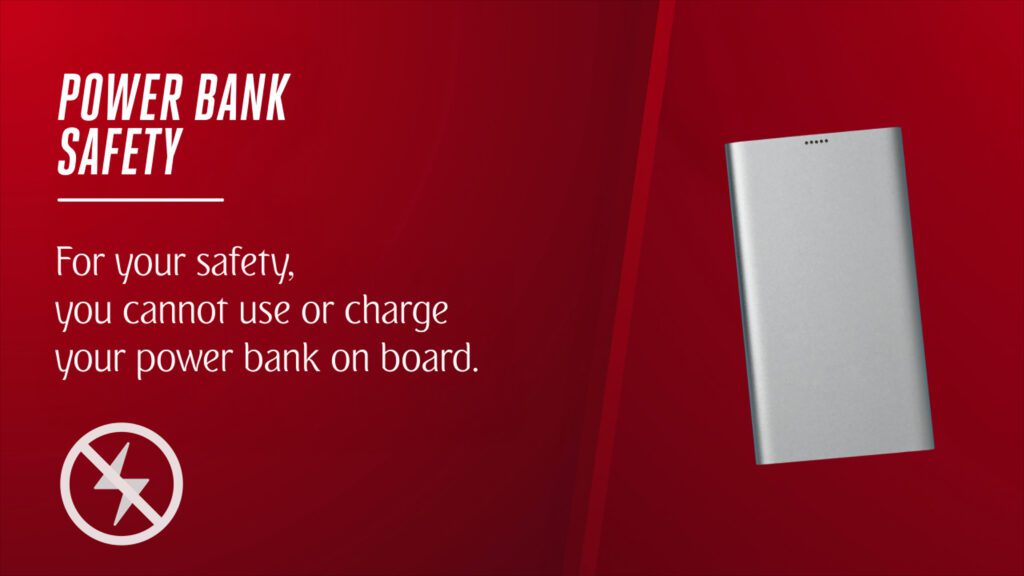
- From October 1, Emirates passengers will be banned from using power banks on any of its flights. Power banks must also not be stored in the overhead lockers as part of strict new rules designed to prevent a dangerous fire at 38,000 feet.
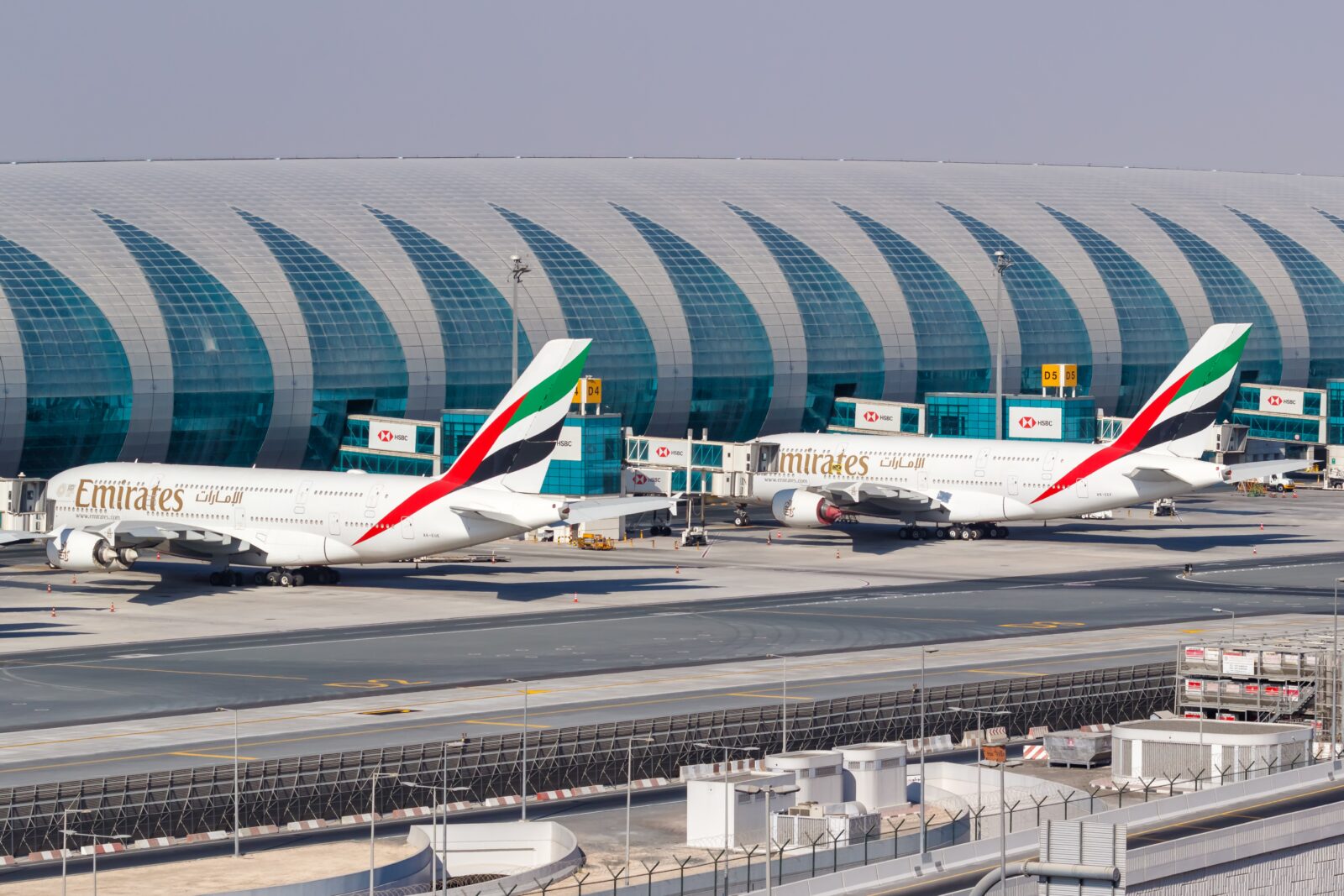
Emirates has urged passengers not to board one of its flights unless they have fully charged their mobile phones and other electronic gadgets, as the Dubai-based carrier becomes the largest airline yet to ban the use of power banks in-flight from October 1.
The airline first warned that it planned to ban the use of power banks in August, giving passengers several months to prepare for the changes. With less than 24 hours to go before the new rules take effect, Emirates has now issued its final warning.
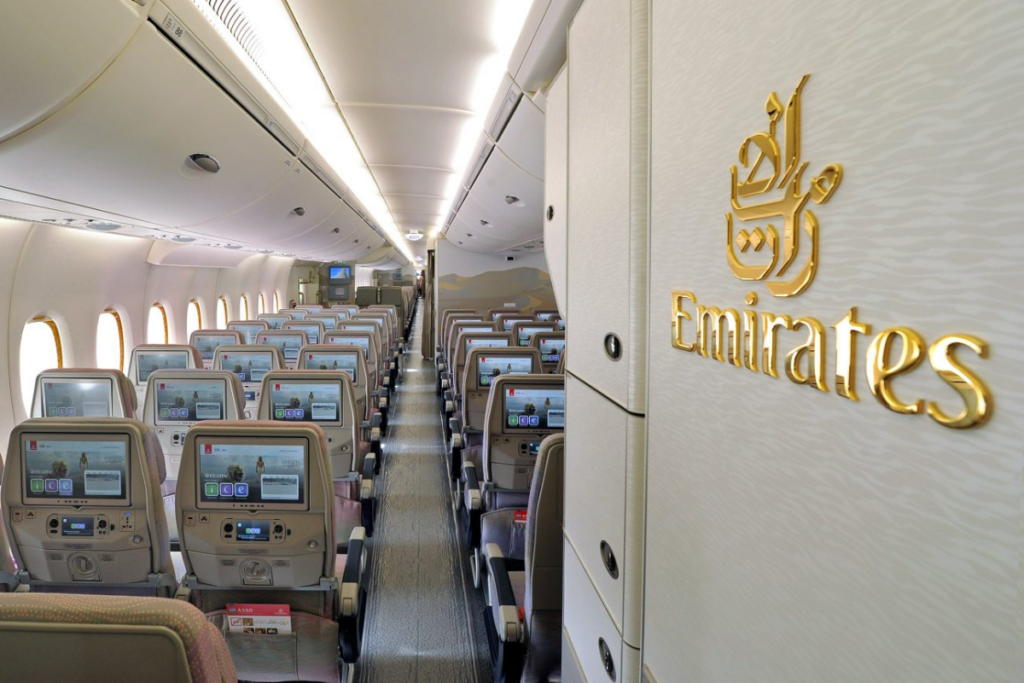
“Using any kind of power bank is prohibited onboard Emirates’ flights, effective from tomorrow, 1 October 2025,” the airline said in a statement. “Emirates provides in-seat charging on all aircraft, however, still recommends that customers fully charge their devices before flying, especially on longer duration flights.”
The new rules at a glance
From October 1, 2025, Emirates will introduce strict new rules surrounding the carriage and use of portable power banks on all of its flights:
- Passengers can only carry one power bank each
- The power bank cannot exceed 100 Watt Hours.
- Charging a power bank via the in-seat power supply is prohibited.
- Using the power bank to charge another device is banned.
- Power banks cannot be placed in the overhead lockers.
The new rules build upon existing regulations that ban the carriage of power banks or other lithium batteries in checked luggage.
Emirates says it is introducing the sweeping rules on the use of power banks following a “comprehensive safety review,” which was ordered in the wake of several worrying in-flight incidents involving lithium batteries.
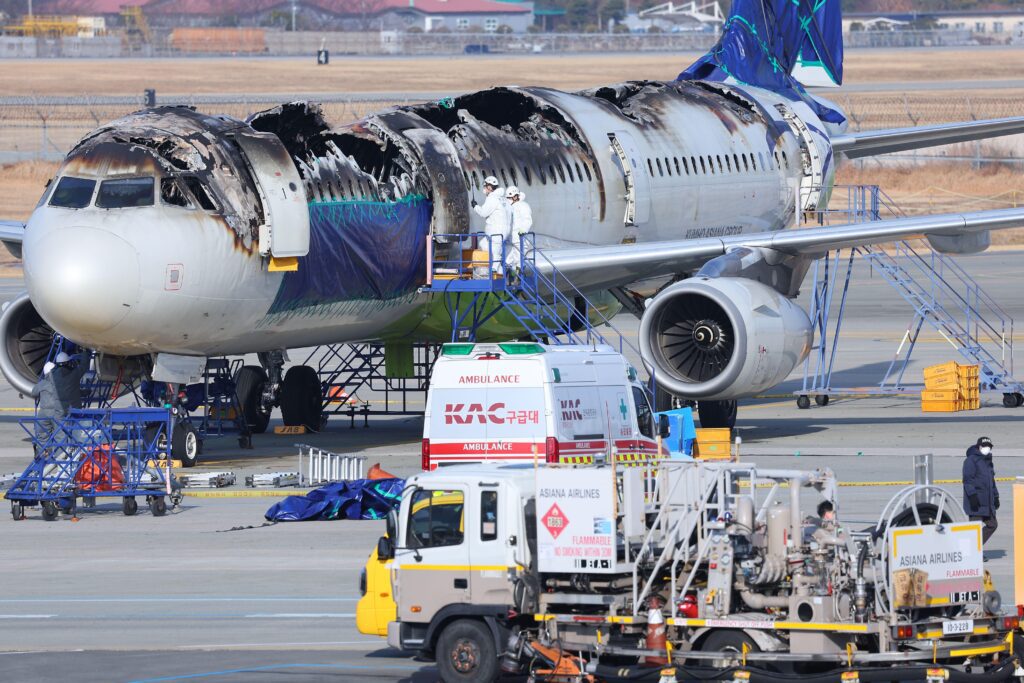
Perhaps the most concerning of these incidents, and the catalyst for a growing number of airlines to urgently review their power bank safety rules, was a fire onboard an Air Busan airplane in South Korea in January.
A power bank caught overheated and caught fire in a passenger’s rucksack during boarding, but no one initially noticed because the bag was stored in a closed overhead bin.
It was only when smoke started pouring out of the locker that passengers and the crew to alerted to what was happening. By this point, the flames were already quickly spreading, and the cabin crew was unable to contain the fire.
An evacuation via emergency slides was ordered, resulting in several passengers and crew sustaining injuries. Meanwhile, the Airbus A321 airplane was completely gutted by the fire.
The science behind the decision
Emirates has provided a very detailed justification behind its decision to ban the use of power banks on its flights, explaining that power banks are more prone to the risk of a so-called ‘thermal runaway’ than other electronic devices powered by lithium batteries.
The airline explains: “The batteries contain lithium ions suspended in an electrolyte solution. The ions flow through the electrolyte, travelling back and forth between two electrodes as the battery charges and discharges. If the battery is overcharged or damaged, it may result in thermal runaway.”
“Thermal runaway in batteries is a self-accelerating process where heat generation within a battery cell exceeds its ability to dissipate heat, leading to a rapid and uncontrollable temperature increase. This can result in dangerous consequences like fire, explosions, and the release of toxic gases.”
While there is a risk of thermal runaway in all lithium batteries, Emirates believes power banks are a greater risk because many lack an internal trickle charge system that prevents them from overcharging.
What other airlines have restricted the use of power banks?
While Emirates is the largest airline to have placed new restrictions on power banks, it most certainly isn’t the only carrier that has announced updated rules.
Southwest Airlines: Since May 28, passengers must keep their power banks within easy reach and must not charge devices when the power bank is locked out of sight in a bag in the overhead locker. Power banks can, however, still be used in-flight.
Lufthansa: Power banks can not be charged using the in-seat power supply. They must also be kept within easy reach and within sight if being used to charge another device. The rules also apply to low-cost subsidiary Eurowings.
Singapore Airlines: Passengers can bring power banks on board its flights, but they must not be used to charge other devices or be charged via the in-seat power supply.
The US FAA urges more airlines to take action
Earlier this month, the US Federal Aviation Administration (FAA) urged airlines to conduct detailed risk assessments about the carriage and use of lithium batteries on their flights.
In a safety alert sent to US airlines, the FAA said: “Safety risk assessments should consider the hazard posed by the stowage of lithium batteries in areas not visible or easily accessible to passengers or crewmembers, such as in overhead bins or in carry-on baggage.”
Southwest Airlines remains the only US carrier to have updated its rules.