



The Trump administration has just stripped back air passenger rights even further after it sided with the U.S. airline industry on what constitutes a canceled flight, and, therefore, under what circumstances consumers are entitled to a full cash refund.
What does this mean? Airlines can now change your flight time by up to six hours and still deny you a cash refund so long as they assign a new flight number.”
The move is likely to prove unpopular with Democrats, but there is a very good reason why the Department of Transportation has decided to exercise its discretion and not enforce parts of a flagship policy of the Biden administration.
- The DOT won’t enforce refund rules for some ‘canceled’ flights
- The rules were a flagship policy of the Biden administration
- The move was prompted by the Alaska and Hawaiian Airlines merger
- The Trump administration has also delayed the enforcement of disability rights rules
- European-style passenger rights legislation has also been dropped
- Bottom line

The DOT won’t enforce refund rules for some ‘canceled’ flights
In a new document published in the Federal Register, the DOT explains that consumers will no longer be entitled to a cash refund for their ticket if the flight they were meant to take is assigned a new flight number, even if that means the flight time is changed by as much as three hours for a domestic flight or six hours on an international service.
The DOT isn’t changing the rules… yet, but it is choosing not to take enforcement action against airlines that don’t offer cash refunds for passengers affected by flight number changes, so long as they are automatically rebooked onto the new flight and the service isn’t ‘significantly delayed.’
Moving forward, the DOT is working on a new rulemaking that will change the rules to change the definition of what constitutes a canceled flight.
The rules were a flagship policy of the Biden administration
Until April 2024, airlines were allowed to make up their own rules for when passengers were entitled to a refund due to a flight cancellation of a ‘significant change’ to their itinerary.
That changed with the introduction of two final rules known as 14 CFR 260.6, 260.9, and 14 CFR 399.80(l) that created a universal definition of what constitutes a canceled flight or significant change.
If passengers were impacted by a cancellation or significant change, they could elect not to travel and were entitled to a full cash refund.
The new legal definition of ‘significant change’ meant passengers could request a full cash refund in the following circumstances:
- A departure delay of three hours or more for domestic itineraries and six hours or more for international itineraries.
- An arrival delay of three or more hours for domestic itineraries and six hours or more for international itineraries.
- Rebooking passengers to depart from or arrive at different airports than they originally booked.
- Adding more layovers than the passengers originally booked.
- A downgrade to a lower class of service.
- Making disabled passengers travel through a different layover airport than they originally booked.
- A change of aircraft type that means accessibility features required by disabled passengers are no longer available.
The move was prompted by the Alaska and Hawaiian Airlines merger
The decision not to enforce this part of the regulation stemmed from an April 2025 request for information from the DOT, in which airlines were invited to suggest what regulations should be repealed or changed.
Several airlines contacted the DOT to explain that flight number changes were often required for myriad different operational reasons and that these rarely had any impact on passengers.
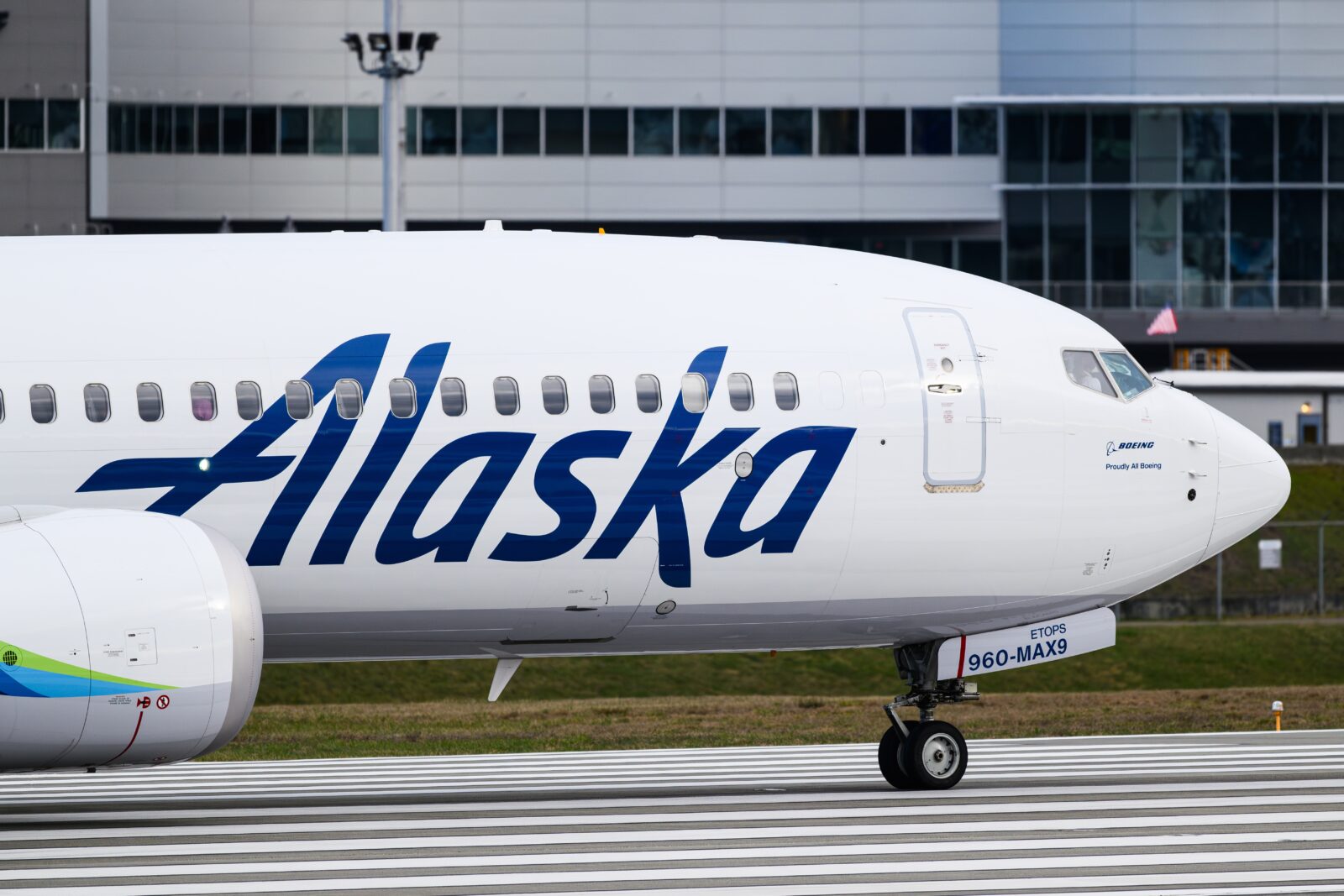
One of those airlines was Alaska Airlines, which was still in the process of acquiring a single operator’s certificate as part of its merger with Hawaiian Airlines.
The airline warned that once it had a single operator’s certificate, it would have to renumber tens of thousands of flights, because Hawaiian Airlines was dropping its HA airline code, and Alaska and Hawaiian used many of the same flight numbers.
Unless the DOT used its discretion not to enforce the refund rules, passengers on all of these renumbered flights would be entitled to a full cash refund, even though the change had no material effect on their travel plans.
The Trump administration has also delayed the enforcement of disability rights rules
Over the last few months, we’ve seen the DOT take a far more industry-friendly approach to enforcing air consumer protections. In September, the department announced that it was further delaying the enforcement of a landmark set of regulations designed to give disabled American air travelers more rights.
Also introduced under the Biden administration, the regulations, known as Ensuring Safe Accommodations for Air Travelers with Disabilities Using Wheelchairs, give significant new rights to passengers who use wheelchairs or mobility scooters.
U.S. airlines have lobbied hard to hollow out the regulations and even filed a lawsuit in the 5th U.S. Circuit Court of Appeals, accusing the DOT of overstepping its rulemaking authority.
The DOT has suspended enforcement of these regulations while it works on a revised rulemaking which isn’t expected to be published until April 2026 at the earliest.
European-style passenger rights legislation has also been dropped
Last month, the Trump administration also officially killed off Biden-era plans to introduce European-style compensation rights for airline passengers impacted by a significant delay within the control of the airline.
Explaining its decision to abandon the rulemaking, the DOT argued that the airline industry already has strong incentives to look after passengers, and voluntary measures adopted by many airlines show that the current system is working just fine.
The DOT also claimed it could find no evidence to support claims that requiring airlines to provide cash compensation actually improves operational efficiency or reduces delays and cancellations.
Bottom line
The DOT has chosen not to enforce a rulemaking that is meant to make airlines offer a full cash refund to passengers on a ‘canceled’ flight if that simply means their flight number has been changed and they are not subject to a significant delay.
The move was prompted by concerns raised by Alaska Airlines, which has to renumber tens of thousands of flights are part of its merger with Hawaiian Airlines.


Call me not surprised at all