



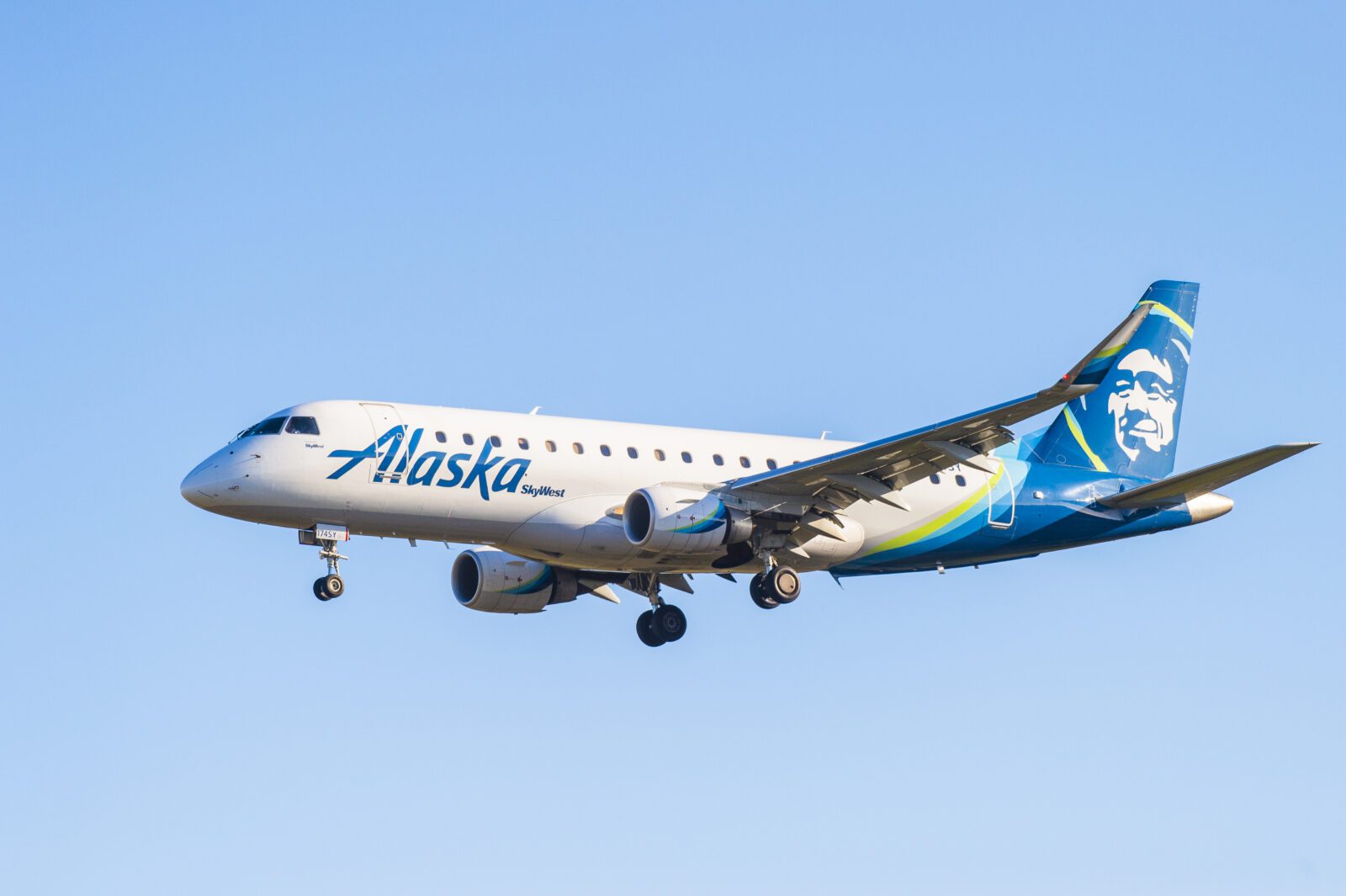
Flight attendants at Horizon Air, the wholly owned regional subsidiary of Alaska Airlines, say they are moving towards a strike vote “sooner rather than later” after more than a year and a half of contract talks.
In the meantime, however, the union that represents flight attendants at the airline has warned its members that they mustn’t take matters into their own hands by refusing to perform certain jobs in a bid to pressure the company.
Strike vote will happen sooner rather than later
Horizon Air is a wholly owned regional subsidiary of the Alaska Airlines Group, which operates Embraer 175 jets in a near identical livery to standard Alaska Airlines planes.
At the end of April 2024, the current flight attendant contract for Horizon Air flight attendants became amendable, but 20 months later, progress to seal a new deal has been pretty limited to say the least.
The Association of Flight Attendants (AFA-CWA), which represents Horizon’s crew members, has yet to even receive a so-called ‘economic offer’ from the airline’s management.
The economic offer is essentially a document listing how much an updated contract would cost over the lifespan of the deal, not only in terms of pay raises and potential bonuses, but also all the other add-ons and changes that would increase costs for the airline.
In the meantime, the union has been working through a mediator to discuss other aspects of the contract, but they are “fast running out of issues” that aren’t, in some way, linked to flight attendant paychecks.
The impression that the union is getting is that Horizon Air doesn’t want to spend any more money than it already is, and that could set the two sides up for a major clash.
“Given what we have seen during negotiations so far, we expect to take a strike vote sooner rather than later,” the union warned its members in a recent memo.
The union wants to see Horizon’s economic offer first before it moves to a strike vote, but if there are any more delays, then AFA might preemptively move to a strike vote.
Will a strike actually happen?
A strike vote has become a pretty standard element of flight attendant contract negotiations, and crew members signalling they would be willing to take part in a walkout should bargaining fail is very different from an actual strike taking place.
Labor relations in the aviation industry are managed under the Railway Labor Act, and this law makes it very difficult for workers to actually stage a strike, no matter how long negotiations have dragged on.
Technically, once strike action has been authorized, the union could declare an impasse with the National Mediation Board, which oversees the Railway Labor Act, but it would then be down to the NMB to approve the strike.
It is incredibly rare for contract negotiations to get to this point, and even rarer for the NMB to approve a walkout.
During negotiations between American Airlines and its flight attendants, the crew member union called on the NMB to approve a strike on two seperate occasions. The first request was almost immediately rejected, while the second was just left open until the two sides reached a deal.
Flight attendants warned not to take matters into their own hands
As has been the case in recent contract negotiations at other airlines, some flight attendants have reportedly been taking matters into their own hands and refusing to perform certain work functions in an effort to show their displeasure with management.
“Calls for coordinated action that interfere with work duties, including encouraging members to stop performing assigned job functions, are not something the Union can endorse, encourage, or facilitate,” the AFA warned in a recent memo.
“That kind of activity can expose individual Flight Attendants to discipline and expose the Union to significant legal risk,” the memo continued.
“Real leverage is built through coordinated strategy, legal protections, and disciplined execution, not individual decisions made flight by flight.”
Soon: Alaska and Hawaiian flight attendants will negotiate a joint contract
In February, flight attendants at Alaska Airlines overwhelmingly approved an updated contract, but just months later, union officials are back at the bargaining table because now the work begins to agree on a joint contract for both Alaska and Hawaiian Airlines flight attendants.
The union plans to use the language from the Alaska Airlines contract as the foundation for the joint agreement, although negotiators want to cherry-pick the best bits from both contracts so that no one loses out in the combined deal.
There are 37 sections to the contract and, so far, 12 of those sections have been agreed by both sides.


Does this mean horizon crew can be replaced with SkyWest crews who know how to offer pre departure beverages in First Class, recognize ATMOS elites and greet FC pax by name?