



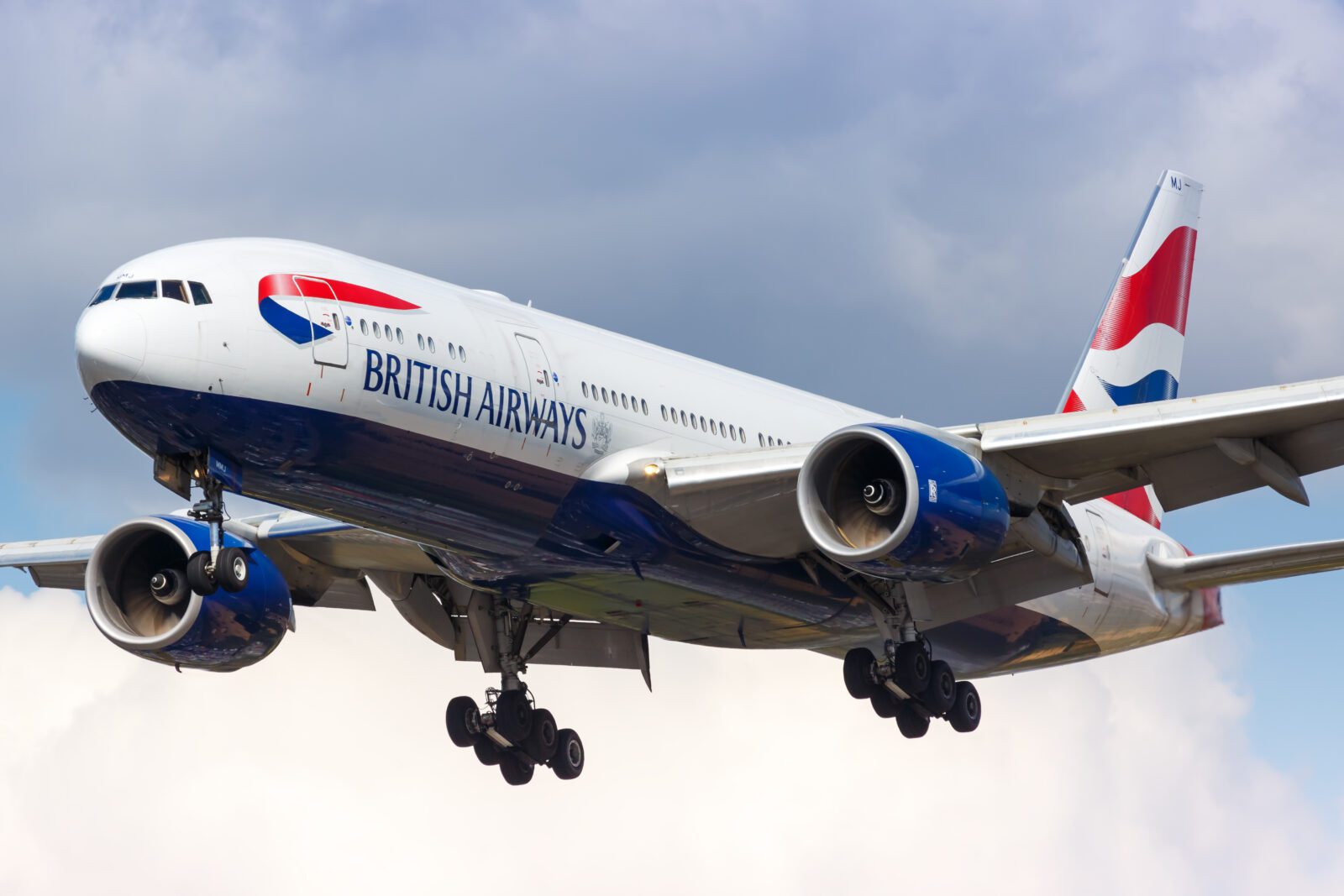
British Airways comes in for a fair amount of criticism, much of it warranted, but when pundits complain about the airline, they often assert that the downfall of what was once considered ‘the world’s favorite airline’ is down to the fact that it is owned by the Spanish.
In their minds, British Airways is little more than a cash cow for a Madrid-based holding company with Spanish executives pulling the strings. The question is… Just how accurate is that claim?
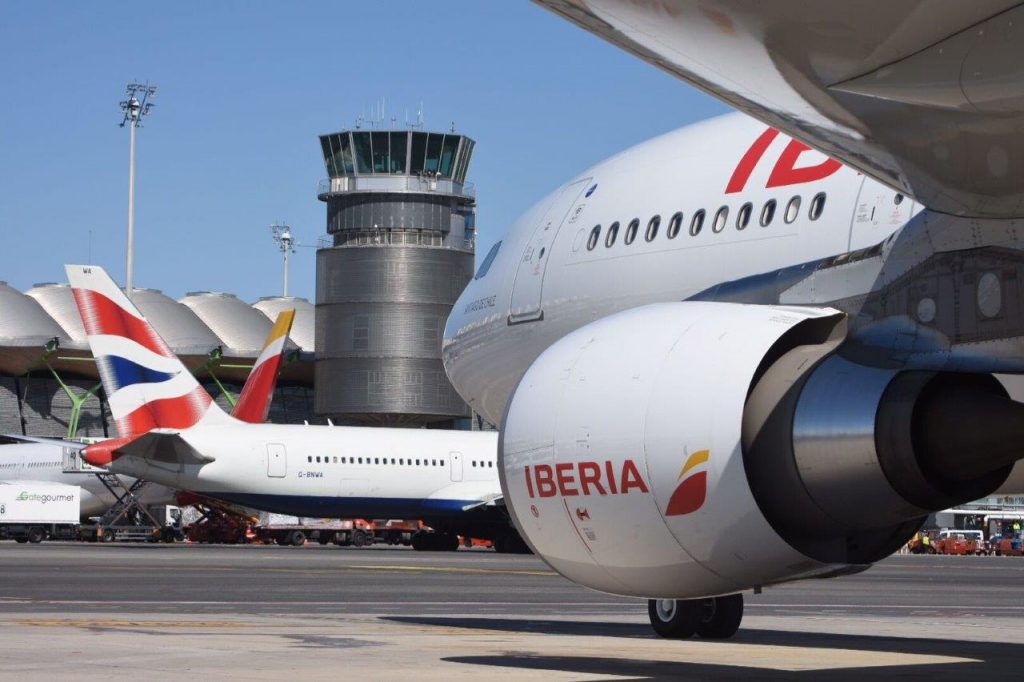
When did British Airways and Iberia merge?
BA’s link to Spain came about during an intense period of airline consolidation across Europe, which started with the merger of Air France and the Dutch flag carrier KLM to create the aptly named Air France-KLM Group in 2004.
Just a year later, Germany’s Lufthansa started its acquisition of several rival airlines, starting with SWISS and then Austrian Airlines in 2009, and bmi in 2010.
British Airways was fairly late to the consolidation party, and given its rocky financial position at the time, it was desperately looking for a partner in Europe. Spanish airline Iberia also happened to be in the same predicament, and a tie-up between the two airlines was first announced in 2009 and completed two years later.
The two carriers formed what is now known as International Airlines Group or IAG for short, and Willie Walsh, the then chief executive of British Airways, took the helm at IAG.
Walsh viewed the Spanish market as a ripe growth market for IAG, and it didn’t take long before the new parent company of British Airways started acquiring shares in the Barcelona-based low-cost carrier Vueling.
By 2013, IAG launched a full takeover bid for Vueling, acquiring the carrier within months, and cementing Spain as a core part of IAG’s growth.
Walsh didn’t, however, concentrate just on Spain. In 2015, IAG also acquired Walsh’s former employer, Aer Lingus, although other acquisition targets outside of the Iberian Peninsula never amounted to anything.
Why is IAG based in Madrid and not London?
When British Airways and Iberia merged, it was decided that IAG would be incorporated and headquartered in Madrid. There were two main reasons for this:
- At the time of the merger, Iberia had already gone through a painful restructuring process and was financially stronger than British Airways.
- Spanish business laws offered a more straightforward corporate structure for the airline.
It’s also worth mentioning that by this point, there was growing disquiet about the UK’s membership in the European Union, so incorporating the parent company in Spain would ‘future-proof’ the group if, as it turned out, the UK left the EU.
Where are key decisions made?
What confuses many people, however, is that IAG still has a significant presence in the United Kingdom.
IAG is traded on both the London and Madrid stock exchanges, and while the group’s registered address is in Spain, its key executives and administrative offices are actually within the headquarters of British Airways at its sprawling Waterside campus on the outskirts of Heathrow Airport.
The current chief executive of IAG is Luis Gallego, who succeeded Walsh when he left the airline group in 2020. The Spanish airline executive was once at the helm of Iberia, but he now lives and works in London, like many other key figures at IAG.
Foreign CEOs are nothing new for the aviation industry
So, the current chief executive of IAG is a Spaniard, and British Airways hasn’t had a Briton as chief executive since 2005, when fellow Spaniard Alex Cruz took the reins from Keith Williams.
When Cruz was ousted in the early days of the COVID-19 pandemic, IAG brought in Irish executive Sean Doyle, and there are rumors that Carolina Martinoli, a Spanish citizen, could be lined up to take over from Doyle in the near future.
Critics often argue that British Airways should be led by a Briton, but in the world of global aviation, it’s far from unusual for international airlines to be run by a foreigner.’
For example, Air India is currently headed by New Zealander Campbell Wilson, IndiGo has Dutch-born Pieter Elbers at its helm, and Australian flag carrier Qantas had the Irish-born Alan Joyce as its CEO for many years.
And don’t forget that mega-airline Emirates has had Sir Tim Clark, a British aviation hero who was part of the airline’s founding team in 1985.
Fair criticism about Spanish influence at British Airways?
As you can see, the truth about the national ownership of British Airways is a lot more nuanced than some critics might have you believe, but that’s not to say there isn’t cause for concern about IAG’s focus on the Spanish and Latin American markets.
In recent years, IAG has focused a lot of its energy on building its market share in Spain and Latin America, while British Airways fights for investment from its parent company.
Along with acquiring Vueling, IAG has also developed a homegrown low-cost, long-haul airline called LEVEL based in Barcelona, and has twice tried and failed to acquire Air Europa.
Most recently, IAG is in the bidding process to acquire TAP Air Portugal, although the group has made it clear that it’s only interested if it can secure a controlling stake in the government-owned carrier.