


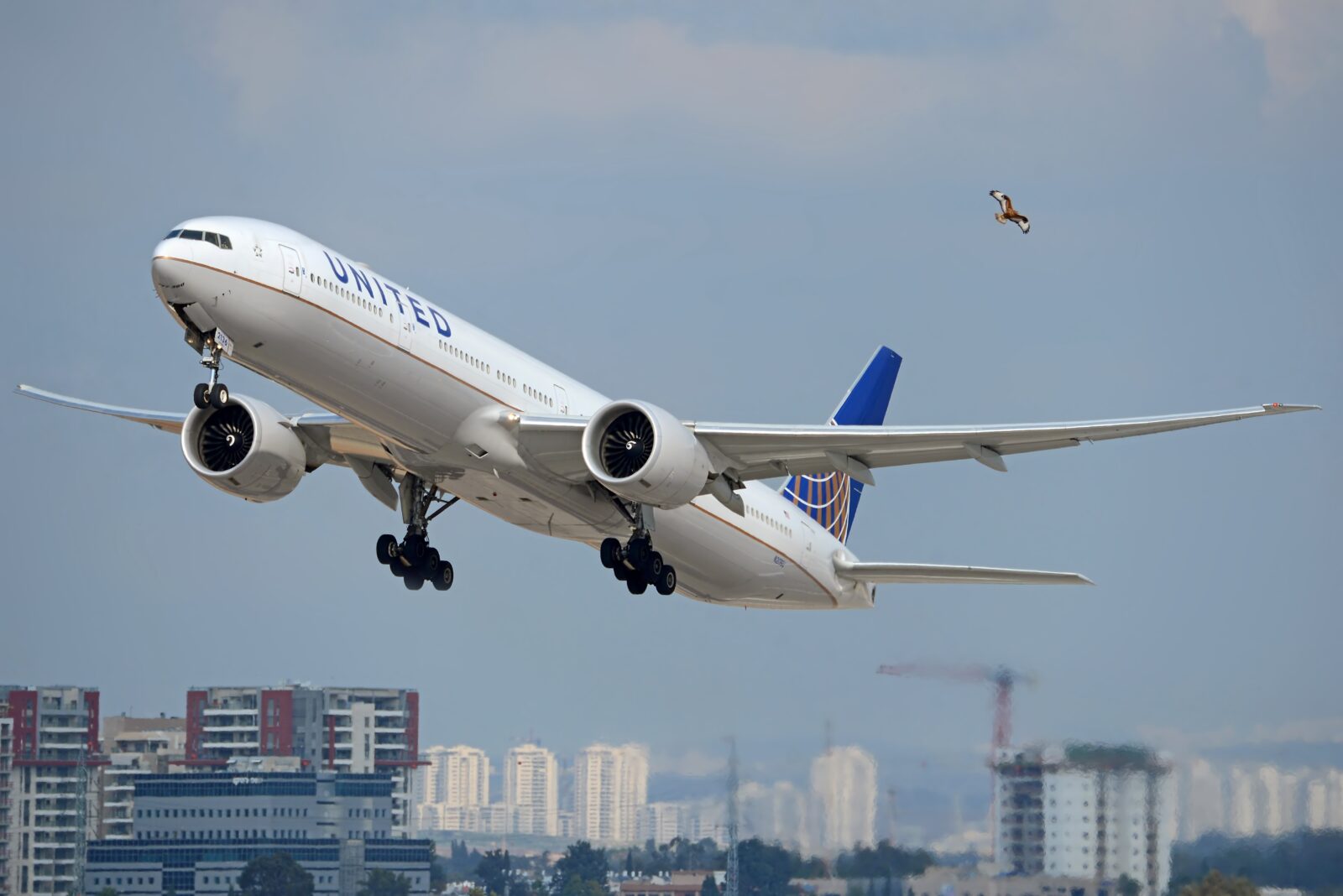
Three United Airlines flight attendants on a flight from Los Angeles to Newark were seriously injured when their Boeing 777-200 experienced “a sudden drop” when it hit a pocket of turbulence, throwing the crew members, as well as several passengers, and an unsecured baby into the ceiling.
On Wednesday, the National Transportation Safety Board (NTSB) released its final report into the February 10, 2024, incident, concluding that the failure of air traffic controllers to alert the pilots of turbulence in the area was a contributing factor in the accident.
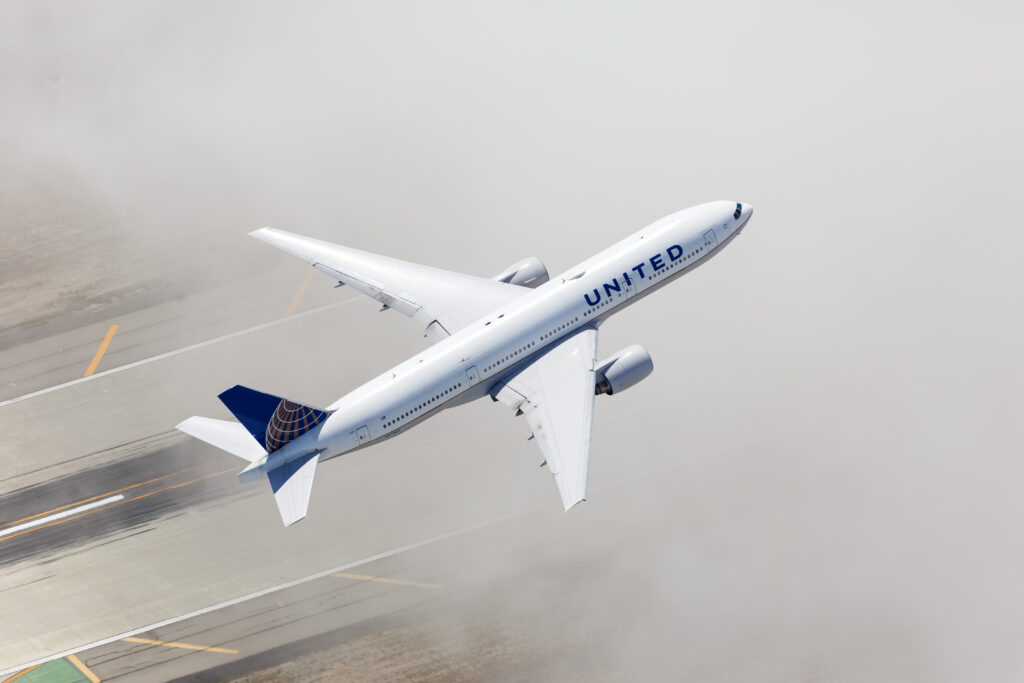
The flight attendants sustained serious injuries, including a spinal fracture, a shattered femur, crushed vertebrae, and a serious head injury.
Despite the fact that the seatbelts were on at the time of the incident, one passenger sitting in seat 8G was also lifted up from his seat and struck the ceiling. Another passenger was using the restroom where the turbulence struck and sustained neck and head injuries.
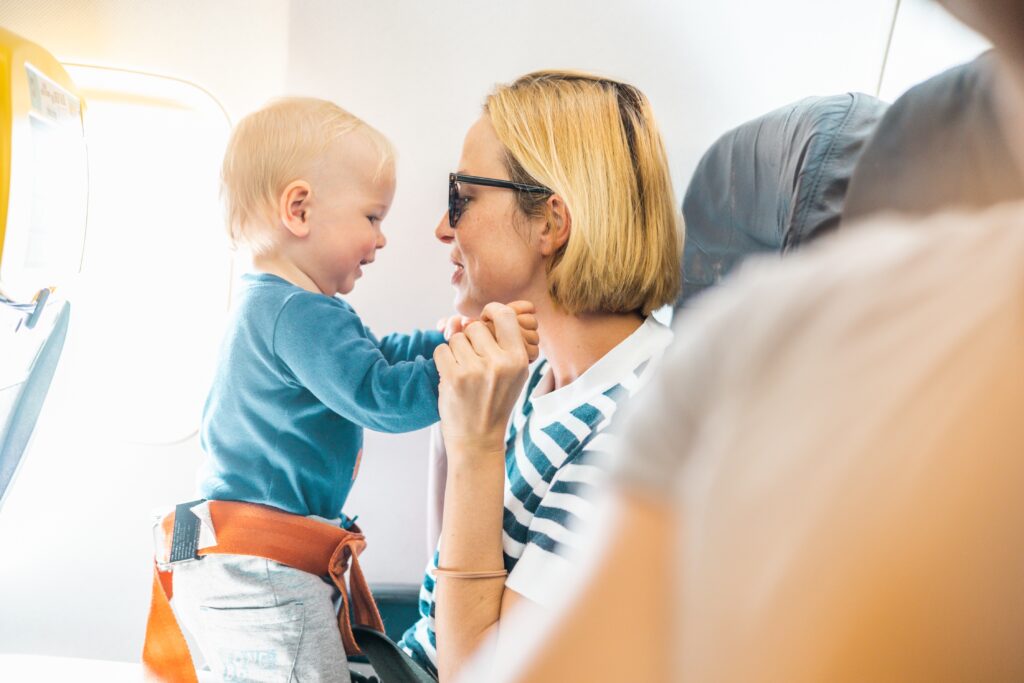
Investigators also reported that one lap infant went flying and struck the cabin ceiling – the FAA continues to ban the use of infant extension seatbelts, and parents are, instead, required to hold onto their babies.
Despite the serious injuries they had sustained, the flight attendants told NTSB investigators how they crawled back to their jumpseats and attempted to cover their assigned doors as the aircraft landed at Newark Liberty International Airport.
The incident occurred towards the end of an otherwise uneventful transcontinental flight from Los Angeles to Newark. United flight UA-1890 was in its descent to land, and the cabin crew were carrying out their pre-landing safety checks after the seat belt had been switched on.
As the Boeing 777 passed through Flight Level 210 (an altitude of approximately 21,000 feet), the plane encountered turbulence which last several seconds, which resulted in “significant cabin vertical accelerations, with quick access recorder (QAR) data showing fluctuations between -0.55 g and +1.82 g over a period of several seconds.”
At this point, the flight attendants and several passengers were thrown into the air. One was thrown against the ceiling, lost consciousness, fell on a beverage cart, and then landed heavily on her left leg, causing her femur to shatter, and crushing a spinal vertebrae.
In preparation for the flight, the pilots had consulted flight planning tools that didn’t indicate any serious risk of turbulence. What they didn’t know, however, was that five minutes before the turbulence event, the pilots of another plane had reported to air traffic control an area of moderate turbulence.
The air traffic controller, however, did not acknowledge this report or pass on the information to the pilots of UA-1890 in accordance with FAA rules. The air traffic controller told investigators that he never heard the report from the other pilots.
The pilots of UA-1890 did, however, receive a written ACARS message in the cockpit, alerting them to the turbulence risk, although it remains unclear whether they had time to read the message before the plane was thrown about by the turbulence.
In its final report, the NTSB stated: “Contributing to the severity of the outcome was the failure of air traffic control to disseminate a recently reported moderate turbulence pilot weather report, which reduced the flight crew’s situational awareness and opportunity to prepare the cabin for the encounter.”
Unlike much of the world, the Federal Aviation Administration (FAA) bans the use of infant extension seatbelts that are attached to the seatbelt of their parent or guardian.
Instead, parents are allowed to simply hold onto their infant for the duration of the flight, although the FAA encourages parents to buy a seperate seat and use an approved child safety restraint at their own expense.
The NTSB has long been critical of this approach, saying that an emphasis on voluntary uptake of child restraint systems puts infants under the age of two “at a lower level of safety than that of seat belt-wearing adult passengers.”