



It’s not only passengers at Southwest Airlines who are unhappy with the Dallas-based carrier’s new hand luggage and boarding rules; the airline is also facing a growing backlash from its own flight attendants who are unhappy with Southwest’s plans to sort out the mess.
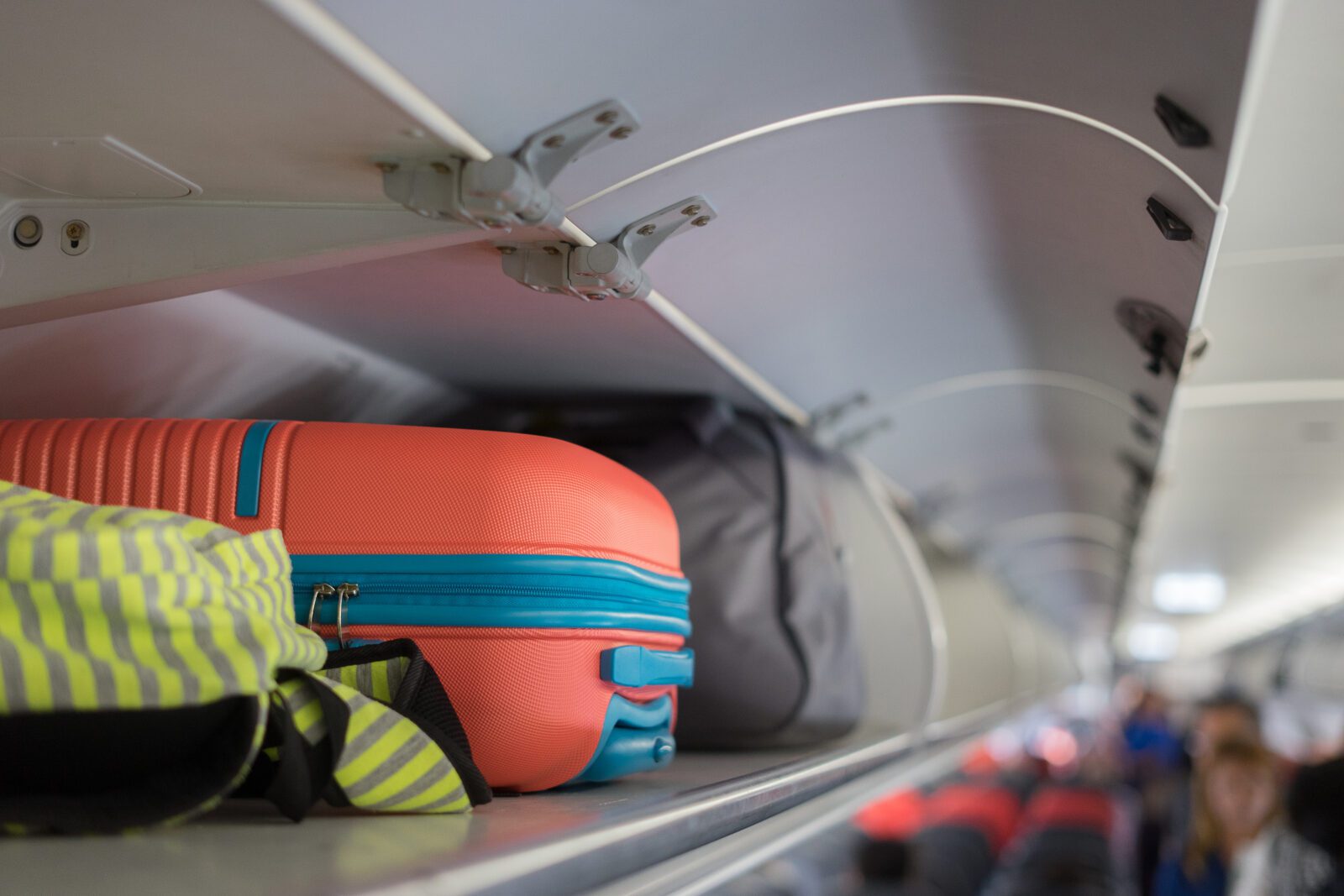
Central to the new complaints from flight attendants is Southwest’s decision to move a dedicated overhead bin that is reserved just for crew members’ luggage to the back of the plane.
The TWU 556 union, which represents Southwest flight attendant is furious with the plan, saying it “immediately rejected this unilateral decision.”
The union claims Southwest has been “scrambling” to address a slew of issues that have cropped up since the airline introduced assigned seating on January 27 – issues that it says should have been reasonably foreseen before Southwest’s half-century-old open seating policy was axed.
The crux of the issue is that there simply isn’t enough space in the overhead bins for all passengers sitting towards the front of the plane, who have paid more or have elite status allowing them to board first with hand luggage.
The issue has been made worse given the fact that Southwest doesn’t have a dedicated closet for flight attendants to stow their own luggage, so instead they have a reserved overhead bin.
Traditionally, this crew only bin has been in the first few rows of the plane where flight attendants can keep an eye on their belongings. In fact, crew bins on newer aircraft even have a lock and key to prevent passengers from accessing them.
To address a mountain of customer complaints about hand luggage woes, Southwest now wants to move the crew bin to the back of the plane… although, for the timebeing at least, it won’t have a lock and key.
“This situation is the direct result of poor planning by SWA [Southwest Airlines] Upper Management, and once again, the burden is being shifted onto Flight Attendants,” the TWU 556 union slammed.
“Members should know that TWU Local 556 has stated our strong opposition to the decision to move the forward Crew Bin to the back of the aircraft, and we will continue to do so,” the memo continued.
“Our priority remains clear: protect our Members’ safety, working conditions, and professional needs.”
The union suggested a number of solutions of its own, such as moving the crew bin only slightly further down the cabin to row 7 or 8, closing overhead bins during boarding to prevent them from filling up so quickly, and offering crew the opportunity to gate claim checked bags… all of these ideas were rejected by the airline.
Southwest has, though, said it plans to install a lock and key on crew-only overhead bins on all aircraft.
Matt’s take – the view from a flight attendant
Clearly, this move to assigned seating and hand luggage heavy flights is proving to be a big learning curve for Southwest’s passengers, its flight attendants, and its management.
Flight attendants at most other airlines will wonder what all the fuss is about. All of these problems were reasonably foreseeable, although, sadly, they are all too commonplace.
Hand luggage is a persistent pain point on single-aisle aircraft, although a new generation of supersized overhead bins is helping to relieve these issues.


Funny how bag stealing isn’t a problem on DL where FA’s have to stow bags in the rear.
Every SWA flight I’ve been on the FA’s camp out in the rear galley on their phones the majority of the flight. Nobody is stealing from bags in the back of the plane. FA’s need to stop lying and just be honest.
Flew SW from Napes FL to Midway yesterday in an extra-legroom seat at the front and boarding in Group 1. With 5 wheelchair passengers ahead of me, I was probably the 12th person to board the plane. Overhead bin space above my seat was already full! I’m done. I stopped flying with them because of wheelchair scammers preboarding then walking off the plane, but gave them another chance after assigned seating came. Fool me twice, shame on me.
I don’t see how the flight attendants can complain about a solution that placates disgruntled passengers. What is interesting, though, is that they’re complaining about the safety of their bags when passengers stow bags toward the back all the time. What about the safety of theiir bags?
Solution just like Lufthansa does. No rolla boards or bags bigger than a briefcase inside the cabin. No questions asked! Except for working crew should ALWAYS have a bag storage in the area of the their door assignmemt. Single isle SWA 737 front row and last row OH bin on one side. 2FA in front Doors 1L and 1R; 2FA in rear at doors 2L and 2R.
i’ve noticed that Lufthansa does allow rollaboards but they are incredibly aggressive with their stated weight limit… If it’s overweight then it might be checked in the hold and because the weight limit it so low, they can sneakily get away with checking in enough rollaboards without saying: “sorry, no more room.”