



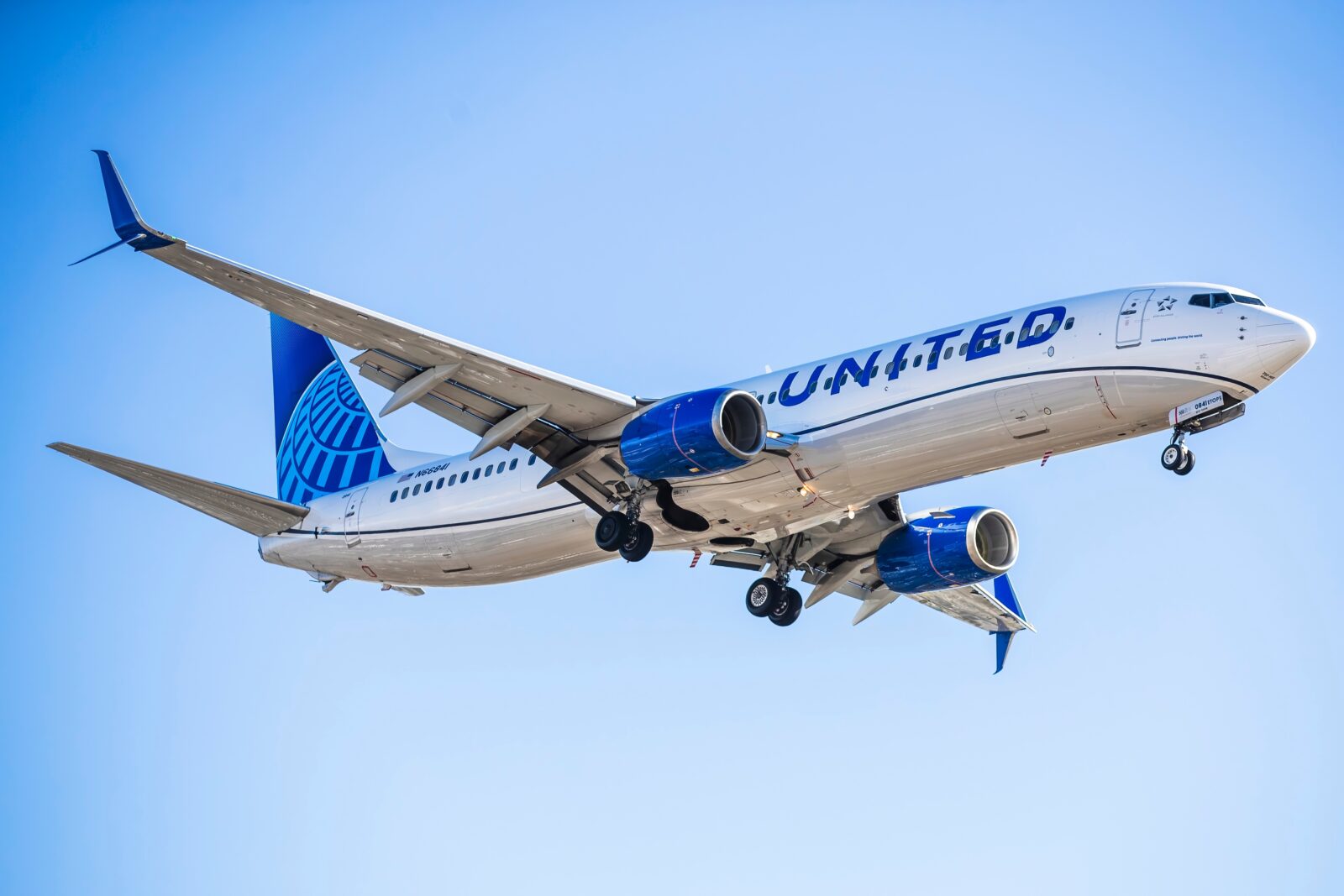
United Airlines is using technology to ‘aggressively’ target flight attendants suspected of abusing sick leave, crew members at the Chicago-based carrier have been warned – although, in some cases, suspected ‘red flags’ might not be what they seem.
Along with inappropriate social media posts, suspected sick leave abuse has now become the number one reason for flight attendants being terminated at United Airlines.
And that’s not down to the airline actively ‘spying’ on crew members, but rather, managers using technology to look for trends that ‘connect the dots’ on what could be abuse of sick leave.
Flight attendants are now being warned that the airline has the ability to see when they have tried other legitimate means to get out of working a flight before then calling sick.
For example, attempting to swap a trip with a coworker for days off, or having a time off request denied on the same day that a flight attendant then calls out sick, could lead to them being terminated.
The Association of Flight Attendants (AFA-CWA), which represents United’s crew members, says there are many legitimate reasons why a flight attendant might end up calling sick after leaving a digital footprint that suggests to the airline they are gaming the system.
Take a crew member who goes on a legitimate vacation but doesn’t fly home as scheduled for his next work trip because he has fallen sick with stomach flu. The union warns that United could take his sick call as an excuse to fraudulently extend his vacation.
Or, how about a flight attendant who challenges crew scheduling over a call-out, but then ends up cutting herself the same day, and then can’t work due to the injury. United could flag this as sick leave abuse due to the recent disagreement with crew scheduling over the trip assignment.
The obvious solution for flight attendants in this type of situation is to seek professional medical advice and obtain documentation that can prove they were really sick when they said they were.
Not that what is happening at United is much different than what happens at airlines around the world… or, for that matter, any business.
The biggest difference with office workers is that there is no such thing as ‘work from home’ for flight attendants. The aviation industry takes reliability amongst crew members very seriously and can be seemingly very unforgiving when a flight attendant’s personal life gets in the way of their operation.
How airlines handle sick leave callouts can vary greatly, although the use of technology to identify suspicious trends and red flags is not unusual.
The Dubai-based mega carrier Emirates is famous for requiring its flight attendants to attend its own in-house medical center whenever they call out sick so that its medical team can verify the claim being made by the crew member.
Calling out sick ahead of a major event or holiday will draw additional scrutiny, and it’s not uncommon for U.S. airlines to require flight attendants to provide a physician’s note if they are sick during certain holiday periods.
In July 2024, United was criticized for requiring flight attendants to obtain a doctor’s note if they call out sick over a weekend, after it witnessed sick reports surge over weekends.
The union called the policy ‘reprehensible’ and challenged the new requirement through an official grievance.
However, an independent arbitrator ultimately sided with United, saying the airline has the power to introduce doctor’s note requirements when it has evidence of “abuse or misuse of sick leave.”
Last summer, United also faced allegations of intimidating flight attendants from taking federally protected sick leave by demanding “substantial medical facts” to back up their application for leave under the Family and Medical Leave Act (FMLA).
Even if flight attendants do take legitimate sick leave, United now demands they provide at least eight hours’ notice or face the threat of a potentially career-ending performance warning.


United’s, like I suppose every other similarly situation large corporation, has an explicit sick policy that encourages employees to take care of themselves so that they can return to health and return to work.
A part of that policy is that abusing sick leave is a serious matter and will be dealt with seriously.
Remember, a single event of questionable sick leave use is not going to result in a sanction.
If you are a pilot or flight attendant and get stomach flu when your on vacation, those employees know to call the medical department at their domicile immediately when it becomes clear they will not be able to be on duty as scheduled.
Local management knows who’s sick and who’s slacking. That kind of behavior rarely exists in a bubble.
Ignorance can be unlearned. Stupid is forever. When these narcissistic people go to social media and post everything from the number of bowel movements they had yesterday to how they cheated the company deserve to be fired. But…they keep posting this crap and…they pay the price and still don’t get it! Buh bye!
Like this is a “new” policy for just United Airlines. My Family worked for a hospital and in order to call out sick for a holiday – you needed to be seen in the ER (ED).
This argument that UA is alone in their policy is preposterous! AND a big yawn of a story.
United operates fewer flights on the weekends, so you would think that sick leave would be lower as there are fewer flight attendants reporting to work. Instead United flight attendants call in sick far more often on the weekends than they do during the week. You can see evidence of this when you look at reserve schedules. The reserve coverage is peaked during the weekend and not during the week. Likewise when flight attendants are receiving extra pay for holidays (paid a double their rate of pay to work a holiday) sick leave rates fall significantly. If sick leave were being used only when flight attendants were sick, double pay or weekend work would not influence the number of people calling in sick.
This is retaliatory and dumb. Why wouldn’t you want your FA to attempt to drop or swap their trip before calling off? If I can get rid of a trip on the tradeboard so that I dont have to burn sick time and receive a disciplinary point before I resort to calling off sick, why wouldnt you let me try that? I shouldn’t be punished for attempting to get my trip covered on my own. It’s stupid things like this that encourages FAs to sign up for FMLA so they dont have to worry about or fret over simple sick calls, which only exacerbates the attendance issue that management is trying to prevent.