



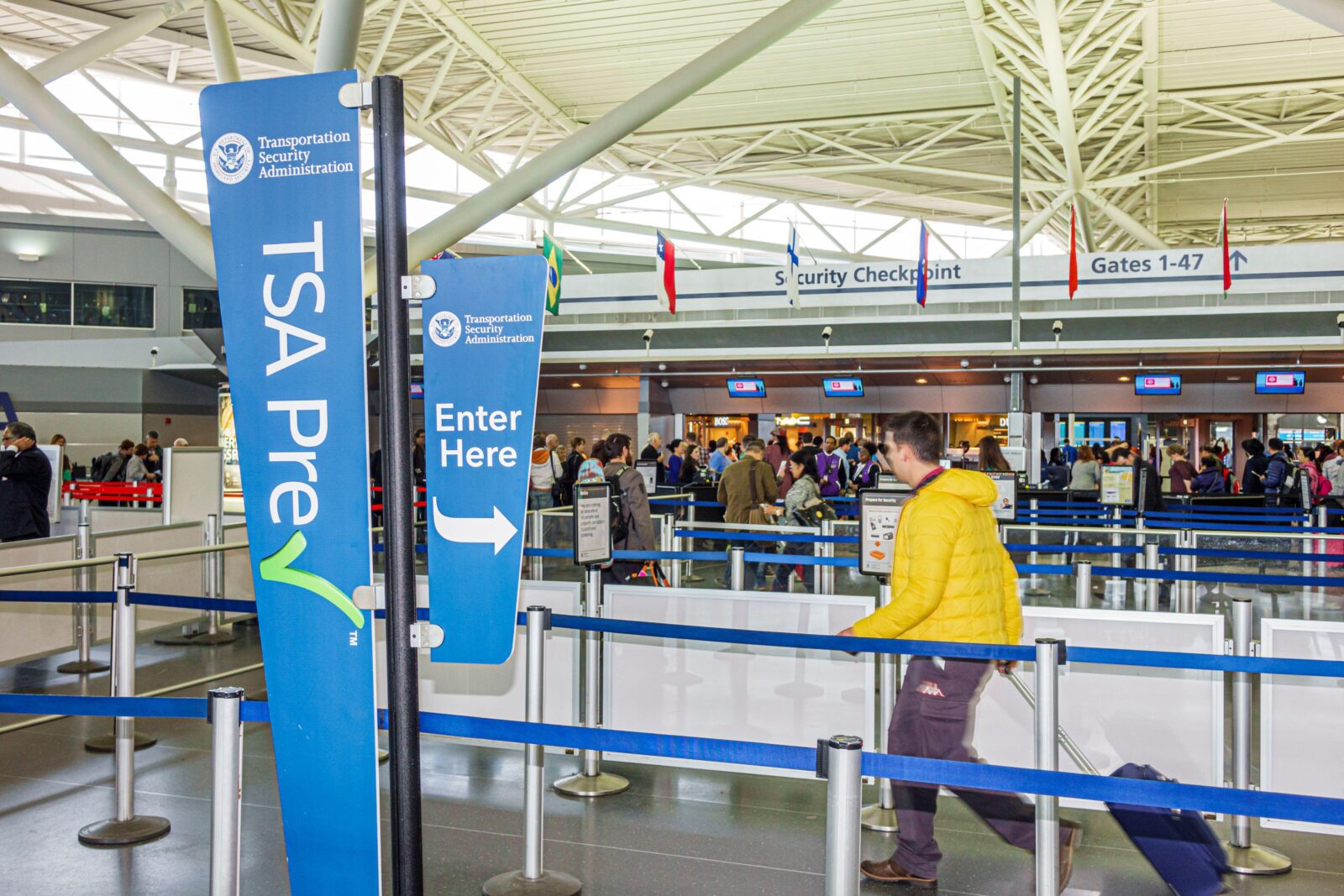
Aviation analysts have warned that Transportation Secretary Kristi Noem’s decision to suspend TSA PreCheck and Global Entry in an effort to “conserve resources” during a lapse in funding to the Department of Homeland Security will actually have the opposite effect and put more strain on officers.
With less than 12 hours’ notice to the aviation industry and just a couple of hours of notice to the traveling public, Noem announced that DHS was taking “emergency measures to preserve limited funds and personnel” during the partial government shutdown.
The emergency measures came into effect at 6:00 am ET on Sunday, with TSA PreCheck and Global Entry now suspended until further notice. Travel industry lobby groups have slammed the decision and warned the measures could have a major impact on travellers.
Following disagreement between Democrats and Republicans over continued funding for DHS, federal funds to the agency remain on hold until the deadlock can be broken.
Up to this point, however, there has been no evidence of systemic problems at TSA airport security checkpoints or CBP ports of entry:
- Noem did not provide any evidence of ‘mass sickouts’ or severe staffing shortages at either TSA or CBP.
- There have been no reports of severe delays at TSA security checkpoints at major hub airports across the United States.
- During the last partial government shutdown, TSA PreCheck and Global Entry remained operational at most airports for the duration of the funding dispute.
If Noem’s emergency measures were intended to mitigate resourcing issues, travel experts say that targeting TSA PreCheck and Global Entry was the entirely wrong move.
Why? The very purpose of both of these programs has always been to mitigate strain on limited resources. The very idea of TSA PreCheck and Global Entry is to process passengers with a ‘trusted traveler’ status in less time and fewer resources than general security checkpoints and immigration processing points.
By moving these passengers into the general lines of TSA and CBP, additional resources are required, and there will be longer wait times for everyone.
Noem, however, appears unrepentant, saying on Sunday: “Shutdowns have real-world consequences.”
“TSA and CBP are prioritizing the general traveling population at our airports and ports of entry and suspending courtesy and special privilege escorts,” Noem continued.
Travel experts, however, also question that statement: Because, of course, if you divert trusted travelers back into the general TSA and CBP lines, everyone’s wait time gets longer. The general traveling population aren’t being prioritized at all.
“Without appropriations, TSA simply cannot afford to risk overstretching our staff and weakening our security posture,” the agency warned on Sunday. “Until funding is restored, all travelers should expect a process that does not sacrifice security, but refocuses TSA officers to standard screening procedures.”
On Sunday, the U.S. Travel Association slammed the continuing shutdown, saying: “We are disgusted that over the last 90 days, Democrats and Republicans have used air traffic controllers, TSA, CBP, and the entire travel experience as a means to achieve political ends.”
“Travelers should be prioritized, not leveraged. Travel is the gateway to the American economy, and Americans should not have their mobility, security, or travel experience diminished because elected leaders fail to resolve their differences.”


Noem is a fn idiot. She is only good at killing dogs.