



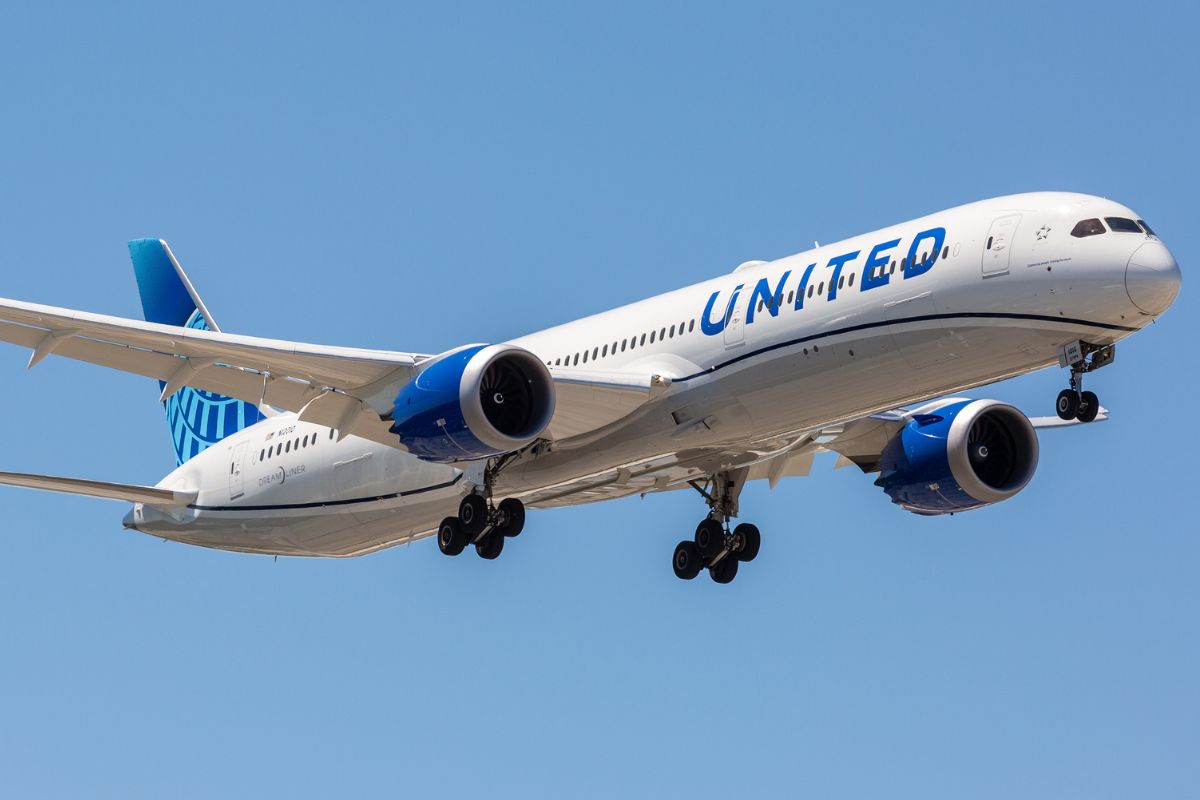
Flight attendants at United Airlines are expected to continue contract negotiations with the Chicago-based carrier this month, even if a partial government shutdown means that a federal mediator won’t be available to chair the bargaining session.
More than 26,000 flight attendants have been without an updated contract since April 2021, when the last one became amendable, and since then, wages have stagnated while inflation has shot up.
In June, the Association of Flight Attendants (AFA-CWA), which represents United’s crew members, announced it had reached a landmark deal with United that promised an immediate average pay raise of 26.9%.
Flight attendants, however, resoundingly reject the deal with 71% of crew members voting against the contract on a turnout of 92% of eligible members.
In the aftermath of the result, the union scrambled to pen in a date that it could return to the bargaining table with United. The problem, however, is that negotiations have only been taking place with the assistance of a federal mediator from the National Mediation Board.
Initially, the NMB said it didn’t have the availability to resume mediation between United and the AFA-CWA until December at the earliest. With pressure mounting on the union to secure a deal, however, they were able to secure an additional early round of bargaining at the end of October.
The partial government shutdown does, however, cast doubt on whether that bargaining session can go ahead with a mediator in attendance.
Ordinarily, bargaining wouldn’t take place without the mediator, but the union is so desperate to resume talks that it has managed to convince United to go ahead with planned negotiations in Chicago in the final week of October, whether or not the mediator is there.
In the run-up to negotiations resuming, the union has polled flight attendants on their reasons for rejecting the first tentative agreement. One of the theories the survey tested was whether flight attendants voted ‘No’ just because they thought they had to reject the first tentative agreement.
The union had been very clear that the first tentative agreement was, in their opinion, the best they could achieve in the circumstances, and that going back to the negotiating table would be unlikely to raise the total value of the contract.
In recent years, however, it has become an almost universal negotiating tactic to reject the first agreement and go back to the bargaining table for more. This was the case for flight attendants at American Airlines and Alaska Airlines, as well as Southwest.
If no progress can be made during October’s bargaining session, further talks are scheduled right the way through to March 2026.