



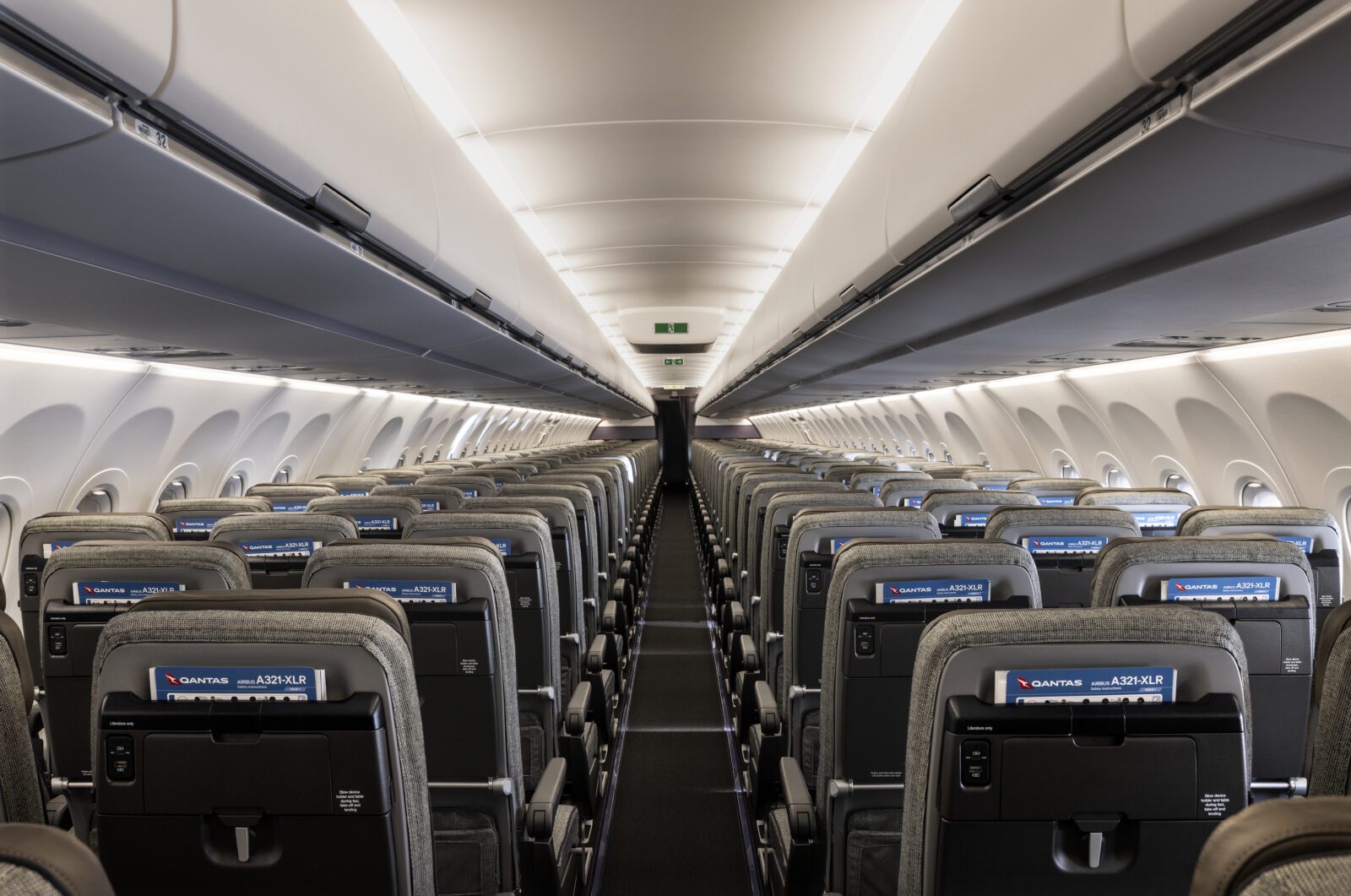
European aircraft manufacturer Airbus sold airlines the dream of single-aisle aircraft that could fly further and with the most space-efficient cabin layouts possible, carving out every spare inch of space to squeeze as many seats as possible on board.
It sounded like the perfect deal for airlines: lower operating costs on smaller, more fuel-efficient planes, but with a comparable number of seats to much larger planes. The reality for passengers was anything but a dream.
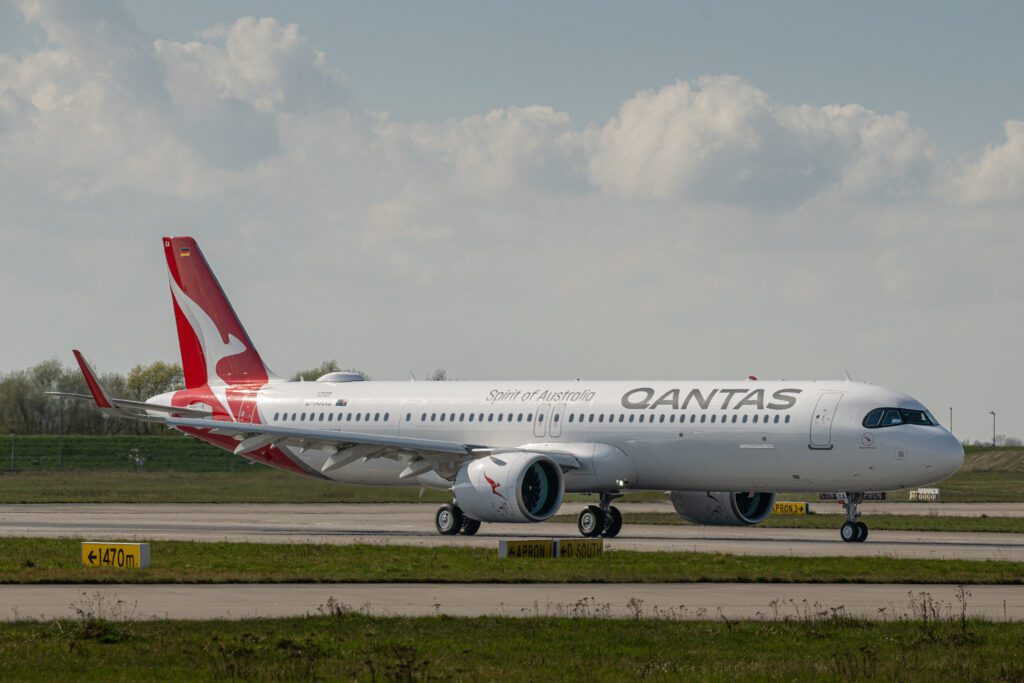
The ultimate example of this sales pitch is the company’s best-selling A321neo single-aisle airliner – a stretched variant of the Airbus A320 series aircraft that now also comes in two long-range versions, the A321LR and the A321XLR.
These aircraft have been hailed as game-changers for the aviation industry, but the benefits are mainly for airlines rather than passengers.
While single-aisle aircraft have been lauded for their potential to open up new routes that wouldn’t be possible on a widebody plane, can you achieve that widebody comfort on a narrowbody plane?
One of the key metrics in this debate is the passenger-to-lavatory ratio. Generally speaking, widebody planes not only have a lower passenger-to-lavatory ratio, but there’s also more space for passengers to wait when there is a line to use the bathroom.
The passenger-to-lavatory ratio has always been an issue on single-aisle jets, but Airbus’ space-saving antics have been pushed so far that two airlines have been forced to concede defeat.
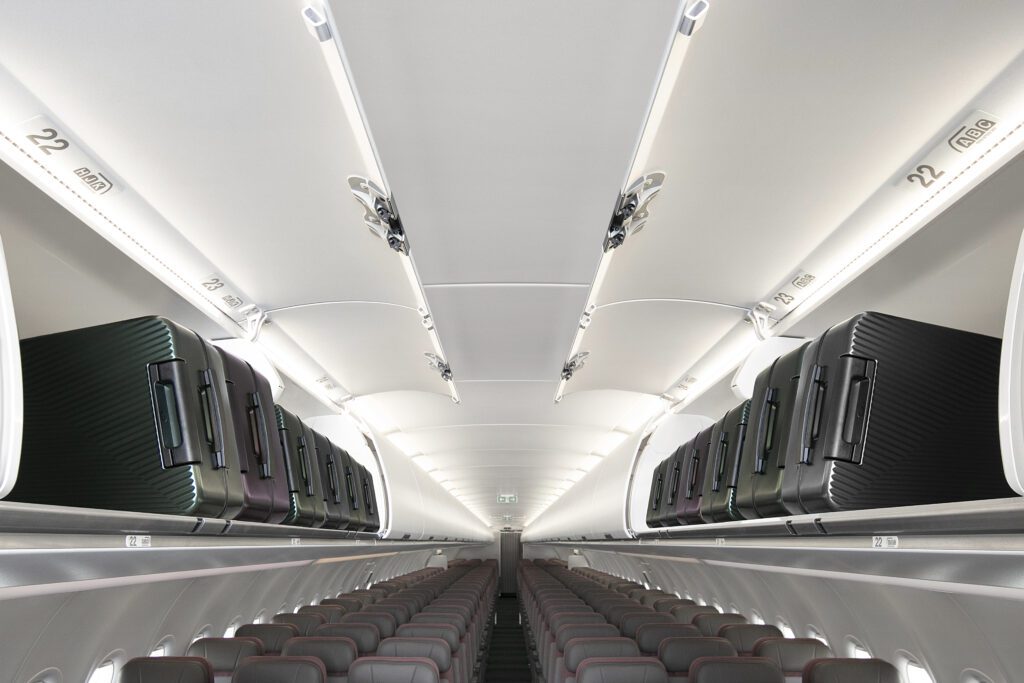
The first airline to reverse course was Australian flag carrier Qantas, which decided, no doubt after some pretty aggressive sales pitches, to configure its new A321XLR fleet with just three lavatories.
Qantas’ A321XLRs have one lavatory at the very front of the plane and two slimline lavatories located just forward of the aft galley. With 200 seats on board, that results in a passenger-to-lavatory ratio of one bathroom to 67 passengers.
That’s not actually too bad, until you consider two things:
- The passenger-to-lavatory ratio on its Airbus A330-200 widebody jets is just 48.6 passengers per bathroom, just 42.6 on its Airbus A380s, and only 41.5 on its Boeing 787-9 Dreamliners.
- The forward lavatory on its A321XLRs is reserved for just 20 Business Class passengers, leaving only two bathrooms for the 180 Economy Class passengers: A passenger-to-lavatory ratio of one bathroom to 90 passengers.
Not only is the passenger-to-lavatory ratio worse than any of Qantas’ widebody jets, but the only place for passengers to wait is by lining up down the aisle.
It took a remarkably short amount of time for Qantas to seemingly realize that it made a mistake. While the first three A321XLRs being delivered to the airline only have three bathrooms, the airline has made a mid-delivery cabin redesign to add an additional bathroom.
Obviously, the space for the additional bathroom has to come from somewhere, and Qantas has been forced to cut a row of three Economy Class seats to install a mid-cabin lavatory, which will be located just aft of the Business Class cabin.
Of course, Qantas doesn’t want to be left in a position where it has a small subfleet of jets with a different cabin layout, so it has already committed to retrofitting its existing three A321XLRs with the additional bathroom.
Then there’s Hong Kong’s Cathay Pacific, which started to add A321neo aircraft to its fleet in 2021. While Cathay Pacific boasted of “new standards for comfort, space and entertainment” onboard its A321neos, it also talked up the “increased operational efficiency” these jets offered.
Despite the flight lengths that these planes operate and the widebody competition that Cathay Pacific faces, the airline decided that it would install one of Airbus’ most loathed cabin features of its A320 series aircraft: the so-called ‘Space Flex’ lavatory system.
Space Flex was designed with the interests of airlines in mind. Traditionally, A320 series aircraft had a bathroom on either side of the aisle just forward of the aft galley, which stretched across the entire width of the fuselage.
Airbus reimagined the aft galley, cutting its width in half and repositioning the two bathrooms into the leftover space. The result was six additional Economy Class seats where the bathrooms used to be.
Space Flex is a quick revenue win for airlines, but it creates a new set of challenges:
- Cabin crew struggle to work in the ‘half galley,’ making service times longer.
- Passengers have to line up in the galley, making service even more challenging.
- The Space Flex lavatories are ultra-slimline, making the whole experience feel cramped.
Earlier this month, Cathay Pacific revealed that its love affair with Space Flex was coming to an end. Later this year, all new A321s to be delivered to the airline will have the traditional aft toilets installed, with a full-size rear galley.
And, of course, the airline doesn’t want a sub-fleet of A321s of Space Flex making aircraft swaps difficult, so an expensive retrofit program will also start on the 16 A321s already in the airline’s fleet.
A Flight Attendant’s View: Why Crew Hate Airbus’ Space Flex Design
It’s hard to describe just how much flight attendants hate the Space Flex galley. Rather than providing any flexibility, as the name would suggest, these galley and bathroom combos make their working lives considerably more difficult.
It’s not hard to see why flight attendants think Airbus must hate them when you consider that one of their jumpseats is built into a bathroom door!
The removal of the Space Flex bathrooms will cut the seat count by six Economy Class seats, although Cathay Pacific also plans to increase seat pitch throughout the plane, so the total seat count could be cut even further.
When it comes to the A320’s original purpose as a short-haul aircraft, airlines seem pretty happy with Airbus’ efforts to maximise efficiency of the available floor space, but carriers are learning the hard way that these space-saving concepts don’t necessarily translate to mid-haul and long-haul flights.


The A320 family beats all modern Boeings on Economy seat width. This is the most important measure for me. So I’ll take a 321(X)LR over a 777 or 787 any day. I spend most of my time in my seat.
Comical article.