



It would be hard not to have noticed the absolute obsession that companies across the board have with asking consumers how satisfied they were with the product or service they bought… Emails flood your inbox asking you to rate how happy you were with your purchase or how much you’d recommend the company to your friends or family.
That’s especially true for the airline industry, which has turned these rating systems into a major performance metric to judge just how well one airline is doing compared to its rivals.
In particular, the Net Promoter Score, which labels passengers as ‘promoters,’ ‘passives,’ and ‘detractors.’ If you’ve ever been asked how likely you are to recommend an airline on a scale of 1 to 10, then you have taken part in an NPS survey.
One of the reasons why NPS has become so prolific is that it creates a benchmark figure for any given industry. The best score a company can get is +100, while the worst score is -100.
The average NPS score for the airline industry is somewhere between +35 and +45, although before Southwest radically changed its strategy, it was reported that the Dallas-based carrier once touted an exceptional NPS score of +71.
How an NPS score is calculated
Customers are asked to rate how likely they would recommend an airline to their friends or family on a scale of 0 to 10.
- 0 = Not very likely at all
- 10 = Very likely to recommend
If you score a 9 or 10, then you are considered a ‘Promoter.’ If you score a 7 or 8, then you are a ‘Passive.’ And if you score 0 through 6, then you are a ‘detractor.’
To get the NPS score, the total percentage of Promoters is calculated, and then the percentage of detractors is subtracted from that score.
While airlines are loath to report their overall NPS score, they will very often publicize when their NPS score has increased. For example, they might say that their NPS score has increased by 5 points, without actually letting on whether this was from a really low score that was below the industry baseline.
But why has NPS become so important? Unfortunately, it’s not really down to airlines wanting to make sure that customers have the very best experience and want to compete against one another to see who can score the highest NPS.
The real reason is that when used correctly, NPS can help airlines save money by strategically investing in things that customers find important, while cutting so-called touchpoints that don’t make much difference to someone’s likelihood of recommending an airline.
What this means in practice will differ from one airline to the next: Their passenger profile on any given route, how the airline positions itself in the market, the routes they serve, and who their competitors are.
Take something as simple as hot towels in Economy Class as an example. This is a really nice touch that has become increasingly rare in recent years. An airline still offering this service could quietly remove hot towels on select routes and measure whether it has any impact on NPS.
This kind of quiet testing happens more often than you might think, and unlike many industries, airlines can easily break out data by route, aircraft type, cabin, and passenger profile.
The other interesting thing with NPS is that improving one touchpoint can cascade throughout the entire passenger experience. One of the most important factors is on-time departure: when the plane departs the gate on time, customers nearly always score an airline higher marks.
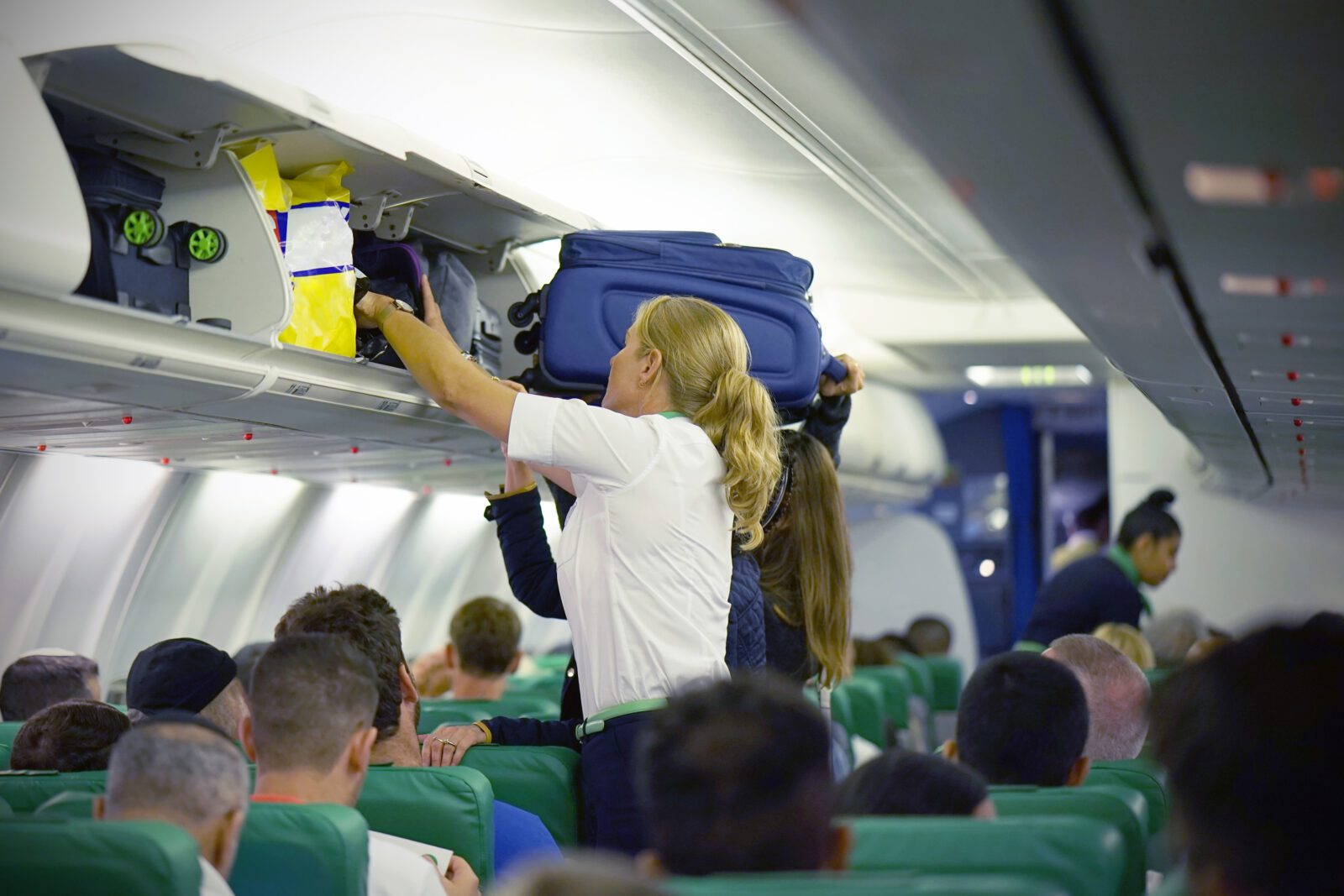
A close second is the kindness and service levels given by the cabin crew, and that’s then followed by Wi-Fi availability, and especially fast and free Wi-Fi availability.
Why else do you think airlines are tripping over themselves to install Starlink internet service on their aircraft? The presence of Starlink makes the entire passenger experience better, even when airlines cut back other touchpoints.
The objective is to give customers what they need to be happy without spending a cent more, and NPS has become the de facto tool to measure this.