



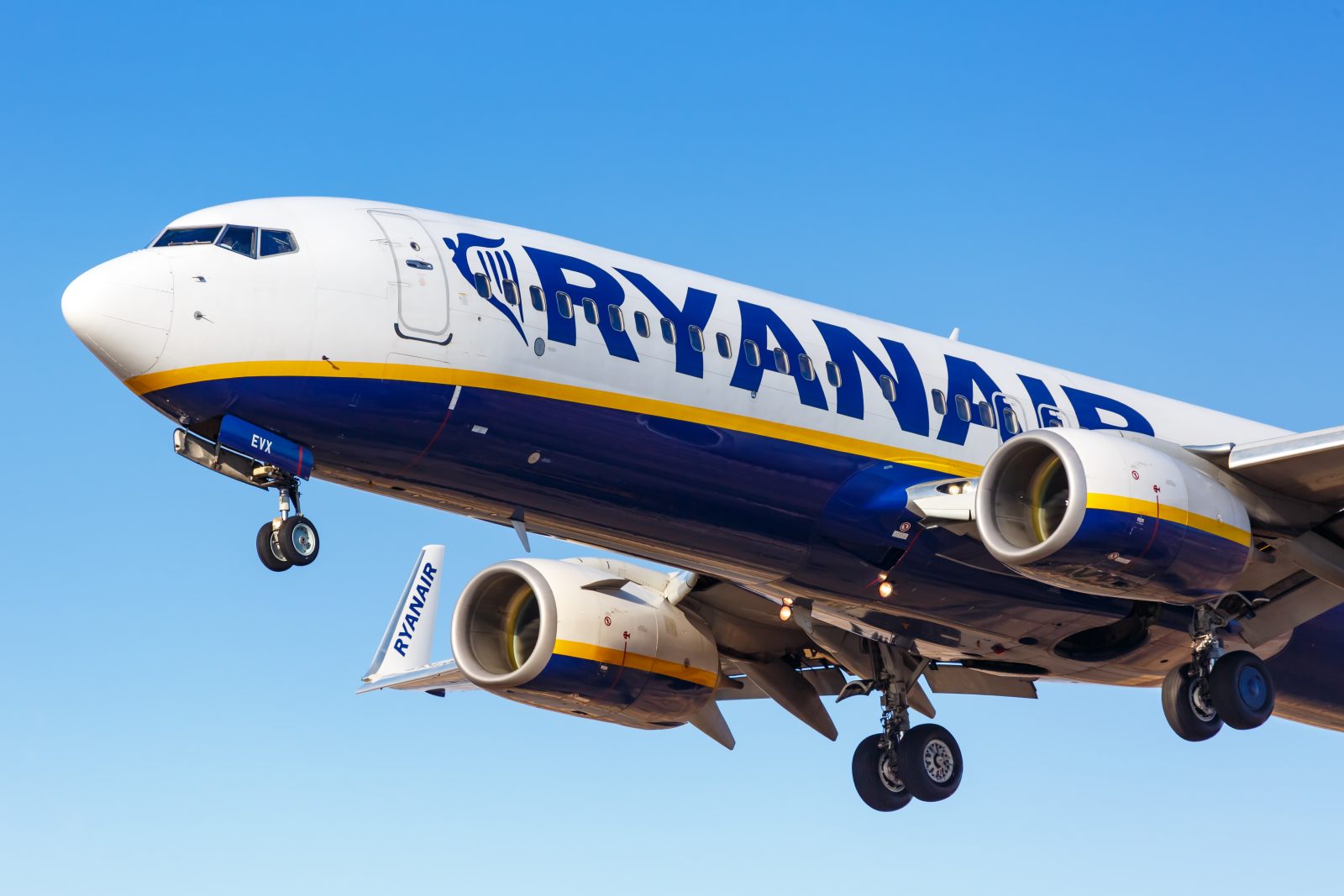
The European low-cost behemoth, Ryanair, allegedly sacked a Captain based at the airline’s Barcelona hub who used his legal authority to extend the rest period for a group of cabin crew who had worked beyond normal working hours under a special provision called ‘Commander’s Discretion.’
The SEPLA pilots’ union, which represents some of Ryanair’s pilots in Spain, said the decision sent a “deeply worrying” message to pilots who could fear disciplinary proceedings and termination for taking a safety-related approach to fatigue management.
In Europe, there are extensive rules covering the maximum number of hours that pilots and cabin crew can work. The rules are commonly known as ‘Flight Duty Limitations’ and are set by the European Aviation Safety Agency (EASA) to prevent the risk of fatigue-induced accidents.
Pilots and cabin crew who work short-haul flights without special in-flight rest facilities are only legally permitted to work a maximum duty day of up to 13 hours. In ‘unforeseen situations’, however, this duty limit can be extended by up to two hours through the use of Commander’s Discretion.
Commander’s Discretion gives the Captain of the plane the ultimate authority to decide whether the maximum duty limit will be extended, taking into account their own tiredness levels and those of their crew.
In the case of the Ryanair Captain who was recently terminated, he used this discretion to extend the duty period for his crew. Once back at base, the Captain then used another element of his power under Commander’s Discretion to extend the minimum rest period of the crew.
It was this decision that reportedly led to disciplinary proceedings against the Captain.
“The communication sent by the company itself recognizes that the commander exercised this discretion to complete the operation and that, subsequently, he extended the rest of the crew, facts that have served as the basis for the disciplinary procedure that has culminated with his dismissal,” the SEPLA union noted.
The union further explained: “When a commander considers that operational circumstances require the use of discretion or that the rest initially planned may not be sufficient to guarantee a safe operation, he must be able to act exclusively according to his professional criteria, free from any pressure or fear of reprisals.”
“No commander should be forced to choose between protecting flight safety and protecting their employment.”
EASA says that Commander’s Discretion should only ever be used when unforeseen circumstances beyond the airline’s control have occurred that would result in a plane, its crew, and its passengers being stranded.
There is, however, a lot of debate about what constitutes ‘unforeseen circumstances,’ and EASA points out that airlines should be leaving enough padding in their schedules to avoid pilots having to rely on Commander’s Discretion for day-to-day operations.
That is not, however, what is happening in reality, the European Cockpit Association says. The pan-European pilots’ association claims airlines routinely “pack pilot schedules” even when they know that delays are likely to happen.
“They expect pilots to use Commander’s Discretion to make the day work. It’s no longer the exception – it’s part of the plan,” the association said last week.
The SEPLA union says it is exploring all available legal means to get the sacked Captain his job back.