



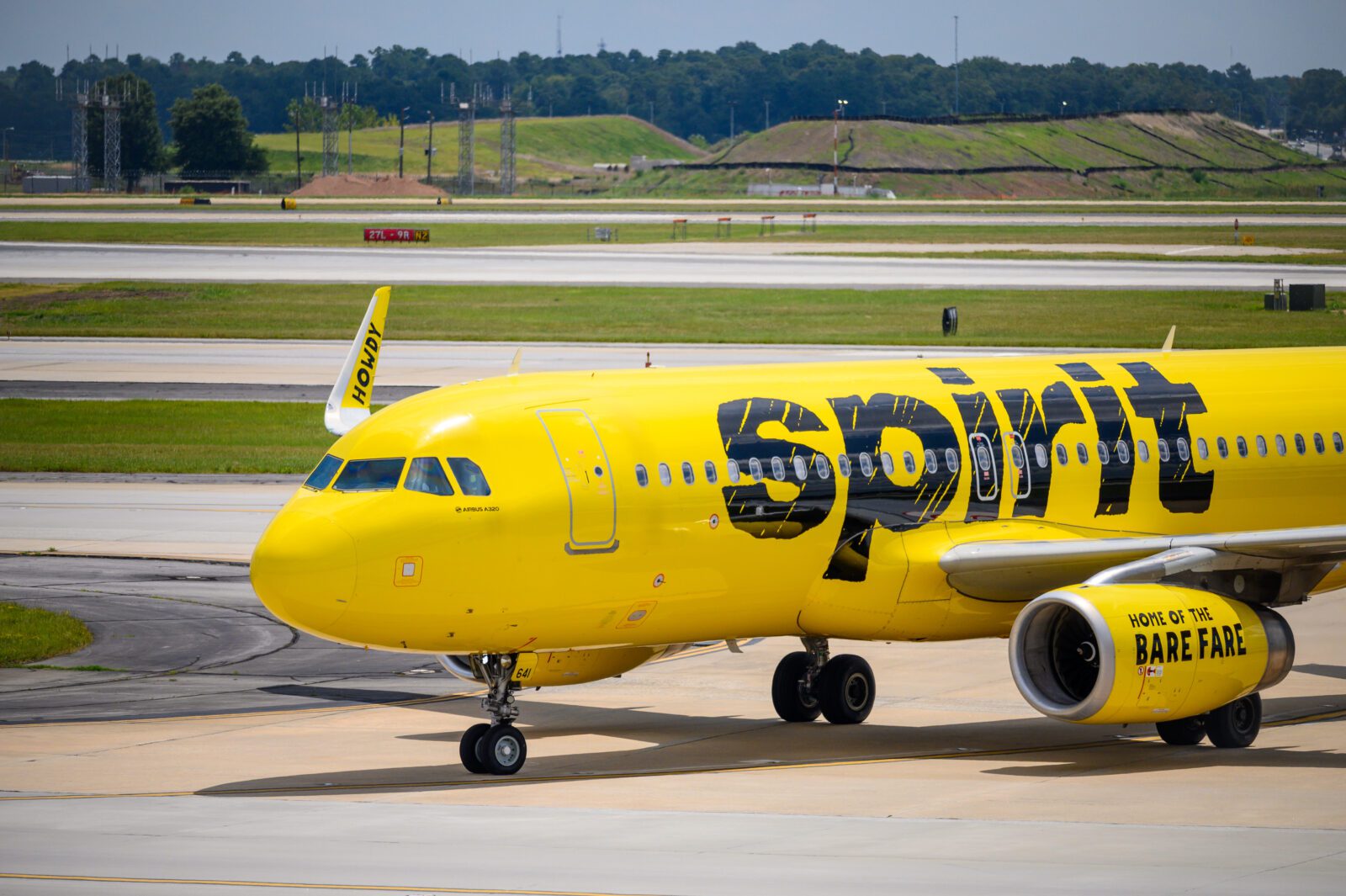
The fate of Spirit Airlines hangs in the balance, with the future of the embattled low-cost airline seemingly reliant on the Trump administration coming to the rescue with a massive taxpayer-funded bailout that could see the federal government take a huge equity stake in the Florida-based carrier.
Given just how controversial any government ownership of Spirit Airlines is likely to be, it’s perhaps unsurprising that the White House has framed the discussions around the perceived failure of the Biden administration in seeking to block a merger between Spirit and JetBlue.
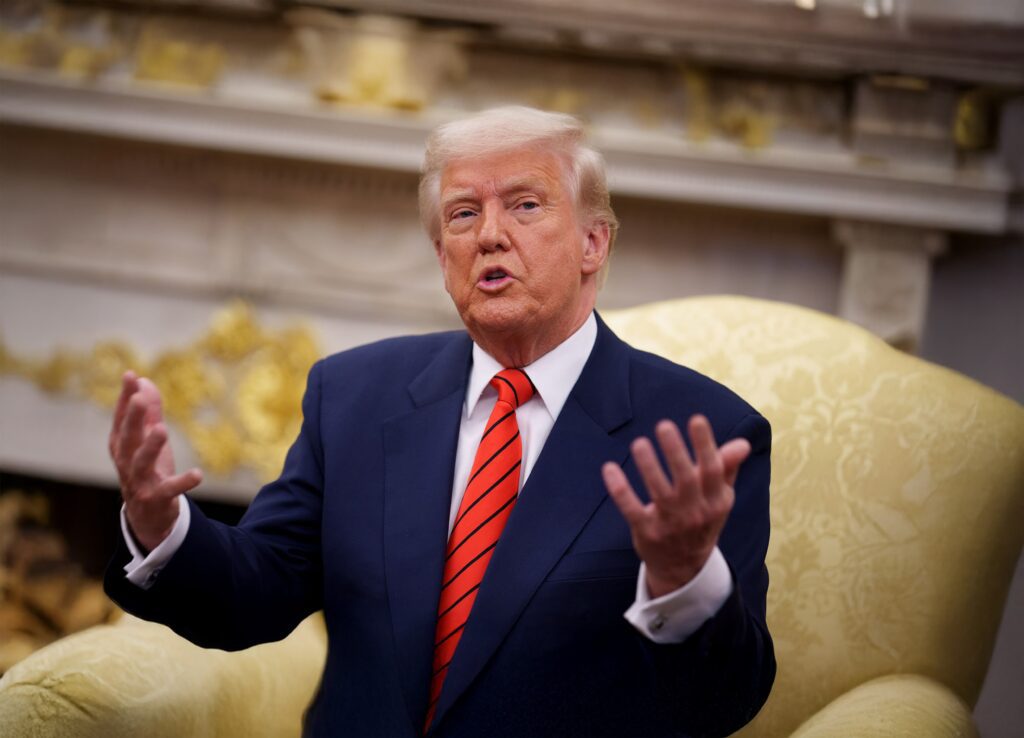
The argument goes that if Biden’s Justice Department hadn’t sought to challenge the merger, then Spirit wouldn’t be in the mess that it is in today. Spirit, therefore, needs to be saved with a massive injection of taxpayer money to keep serving low-income Americans with budget fares.
What this argument fails to point out, however, is that if the merger had been allowed to go ahead, Spirit would no longer exist as the low-cost airline that we know it today.
JetBlue’s intention in buying Spirit wasn’t to keep the airline as a budget carrier. Instead, JetBlue believed that the best way out of its own financial difficulties was to rapidly scale its business.
It believed it could do that by acquiring Spirit’s planes and other assets, effectively closing the Spirit brand and the low-cost business that Spirit was known for.
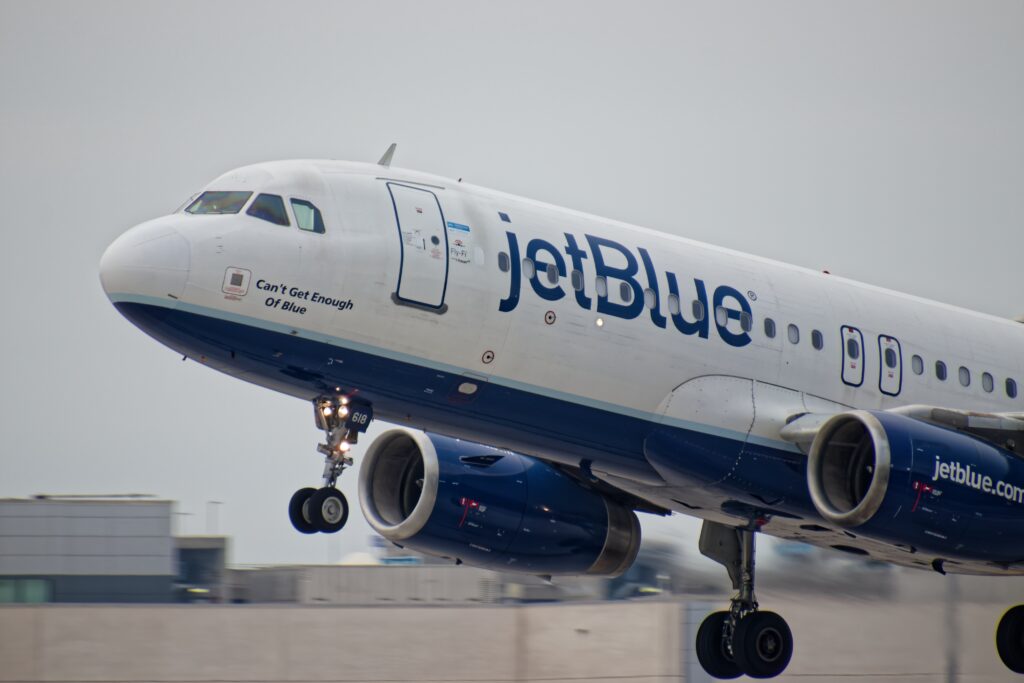
What isn’t discussed, either with the Biden administration’s intervention in the JetBlue / Spirit merger, is that Spirit had an alternative offer that would have kept its low-cost business model alive.
In February 2022, Frontier and Spirit announced they had reached a deal to form the 5th largest airline in the United States. At the time, the two carriers said their intention was to continue offering low-cost fares and would use an estimated $1 billion in annual savings from the merger to drive down ticket costs even further.
Then came the surprise unsolicited offer from JetBlue to acquire Spirit. The Florida-based carrier’s board initially rejected JetBlue’s massively overpriced bid, but shareholders pushed for Spirit management to walk away from the deal with Frontier in order to pursue the JetBlue tie-up.
This wouldn’t be the only time that Spirit would reject a merger with Frontier. Once a federal judge blocked a merger with JetBlue in 2024, Frontier again approached Spirit about a possible acquisition.
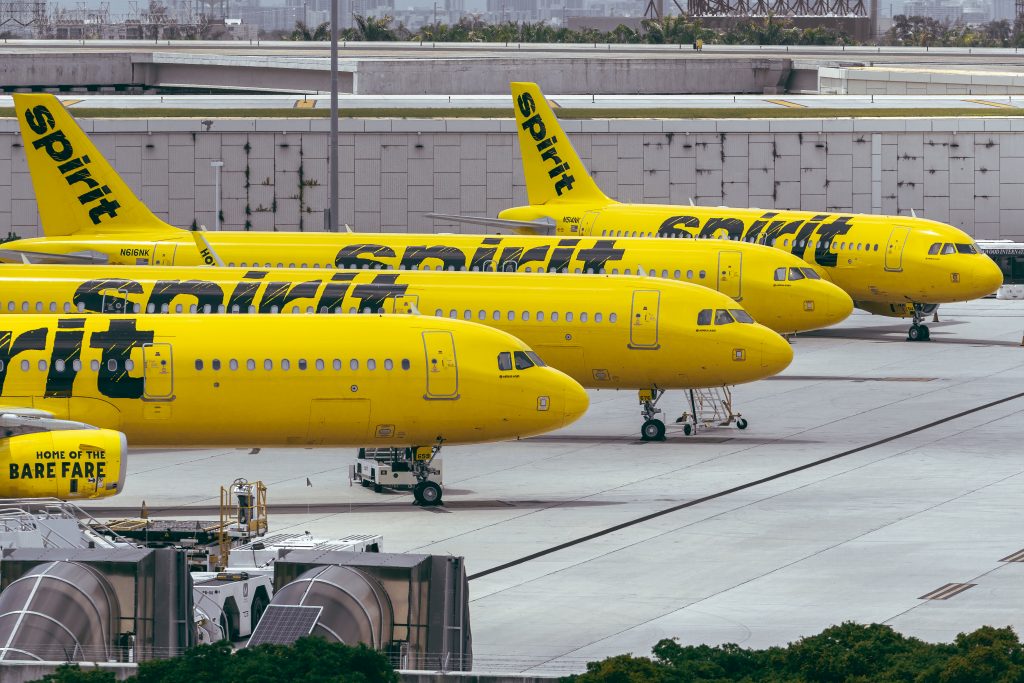
And again, shareholders rejected the deal on the grounds that Frontier had undervalued the business, even as the financial strain that Spirit was under became increasingly visible to all.
The problems now facing Spirit can’t be boiled down to one single mistake, and blame for its potential demise can’t be pinned solely on the door of the Biden administration.
Spirit has arguably made a litany of mistakes over many years that have now led to this point. What’s also true, of course, is that multiple external factors haven’t helped Spirit’s business, either.
For all the business acumen required to run an airline, there is also a great deal of luck involved. The airline industry attracts incredibly passionate people who aren’t afraid to gamble in a bid to turn their business ideas into a reality.
Sometimes this kind of gamble pays off, and an airline can pull off an unexpected move that turns out to be a huge success. Other times, well, airlines flounder and are either forced to pivot or die.
Spirit disappearing from the U.S. aviation market would, undoubtedly, be bad for consumers, but its downfall is probably more its own doing than that of the Biden administration.
Want to see more stories like this? Add PYOK as a preferred source on Google, and we'll show up more often in your searches and Google News.
Add PYOK as a Preferred Source