



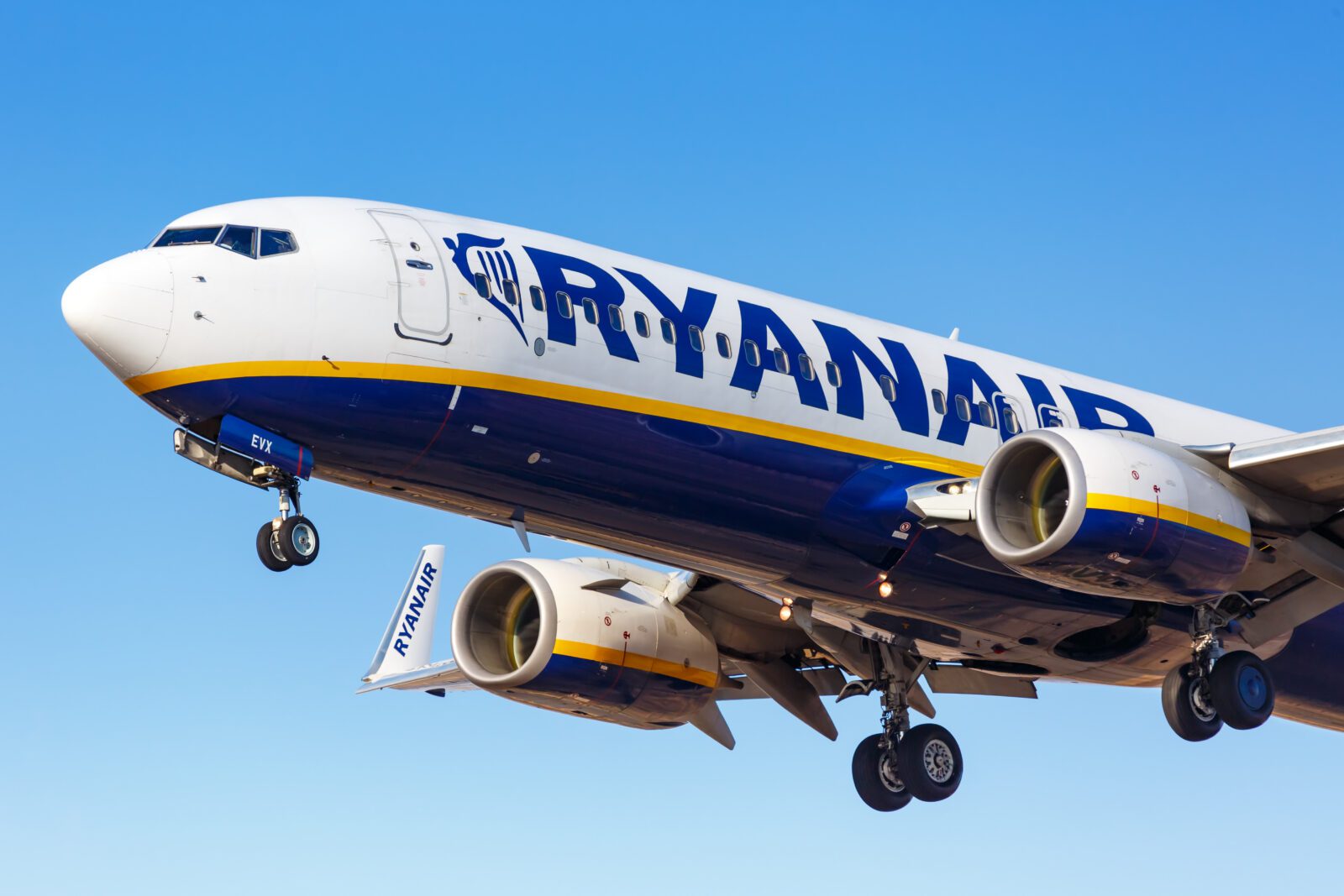
Ryanair plans to use its advantageous fuel-hedging position to pressure rival carriers with lower airfares while they are forced to put up ticket prices due to the surging cost of oil, chief executive Michael O’Leary has said.
Like many airlines in Europe, the Dublin-based low-cost carrier locks in a percentage of its fuel supplies at a specific cost – a process known as ‘hedging.’
Fuel hedging is essentially an airline gambling on oil prices. If oil prices go down or remain relatively stable, then the airline might be stuck paying a higher price than rival airlines.
Not only is this an obvious waste of money, but it prevents airlines from adjusting ticket prices, unlike their competitors, who are in a position to lower fares because they are paying less for their fuel.
Conversely, if fuel prices start rising (like at the moment as a result of continuing conflict in the Middle East), airlines that have hedged a percentage of their fuel supplies will only pay the amount they previously agreed with the oil company.
Given just how much oil prices have surged in recent weeks, airlines that have hedged a percentage of their fuel supplies are in a much stronger position than airlines that don’t take part in this betting game.
Ryanair is one of the biggest fuel hedgers in Europe, hedging around 80% of its total fuel supply for this year. Its arch-rival, EasyJet, has hedged around 84% of its fuel requirements for the first half of 2026, but this drops to 62% for the second half of the year.
The same kind of variation is happening at airlines owned by International Airlines Group, including British Airways, Iberia, and Vueling. For the first three months of the year, 75% of fuel was hedged, but this drops to 64& in Q2, 58% in Q3 and just 50% in the last three months of the year.
On the face of it, German flag carrier Lufthansa has entered this crisis well protected with 80% of fuel supplies hedged for the entire year, but the airline mainly hedged in crude oil and gasoil, not aviation fuel. As a result, Lufthansa has taken an estimated $1 billion hit from its hedging position.
Other European airlines are also facing difficulties because of hedging mistakes. Hungary’s Wizz Air, for example, hedged around 55% of its fuel supplies, while Scandinavian carrier SAS abandoned fuel hedging altogether.
O’Leary now believes he can use Ryanair’s hedging position, along with reassurances from oil companies that supplies aren’t at risk until the end of June at the earliest, to push down airfares and steal passengers from other airlines.
Of course, there’s a lot that could still change. If the Iran conflict drags on and the Strait of Hormuz remains shuttered, fuel prices will have to eventually go up. And if the conflict ends quickly, oil prices will likely plummet, and Ryanair will face more competition.
What’s perhaps striking about this situation is that airfares are likely to remain far more stable in Europe than in the United States, despite the fact that much of the EU relies heavily on oil imported from the Persian Gulf.
That’s because U.S.-based airlines abandoned fuel hedging years ago, meaning that airfares are far more susceptible to rising oil prices. The one U.S. airline that potentially has a buffer is Delta Air Lines, which invested in its own oil refinery, providing the carrier with some of the fuel that it needs.