



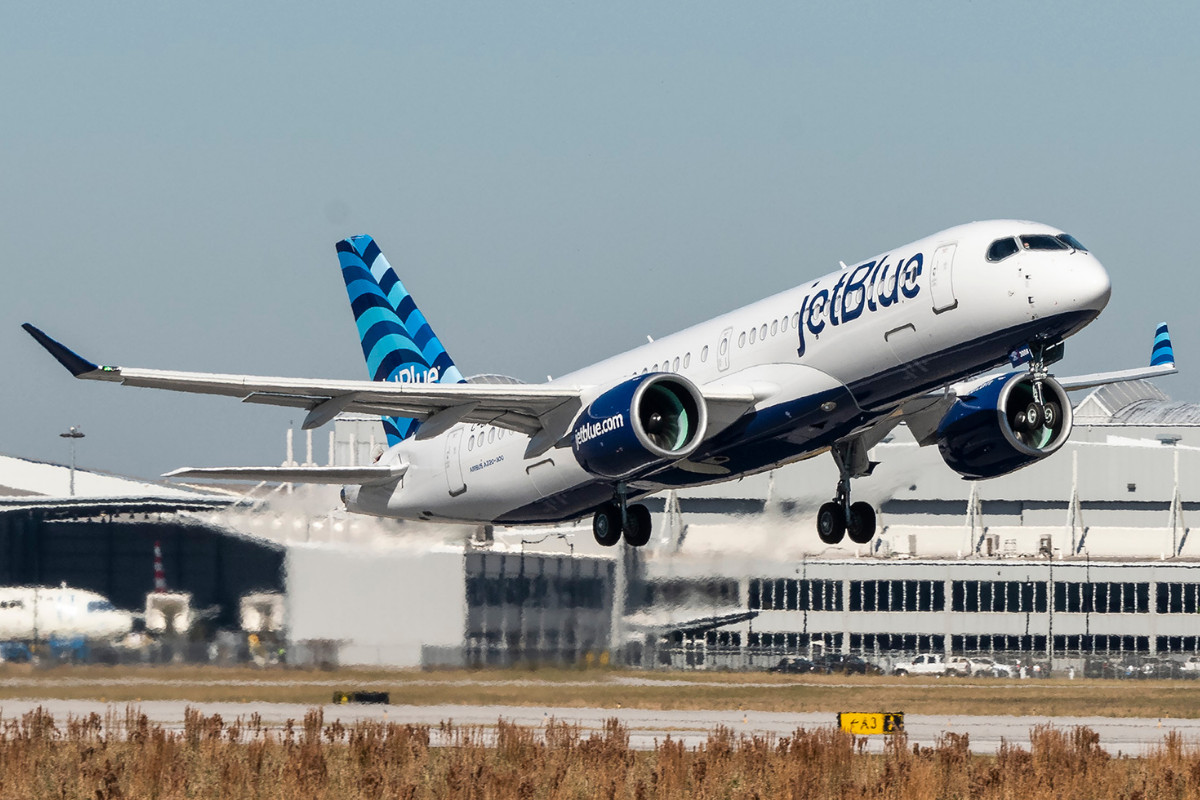
Embattled New York-based carrier JetBlue is pleading for an exemption from the Federal Aviation Administration (FAA) for a requirement to have anti-terror cockpit barricades installed on all of its aircraft that were delivered to its fleet since August 25, 2025.
JetBlue, like every other U.S.-based commercial passenger airline, is meant to have the barricades, officially known as an ‘Installed Physical Secondary Barrier’ or IPSB for short, fitted to its aircraft by July 31, 2026.
Unfortunately, JetBlue says that aircraft manufacturer Airbus has faced a number of challenges creating the IPSB for its smaller A220 range of jets, of which around 62 are currently owned and operated by the airline.
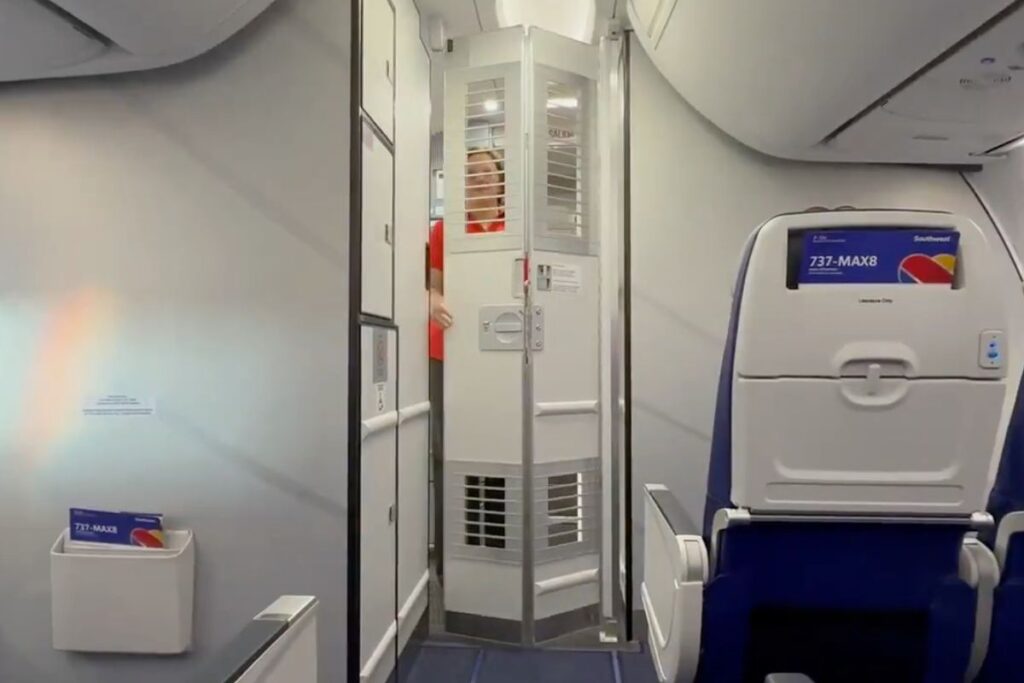
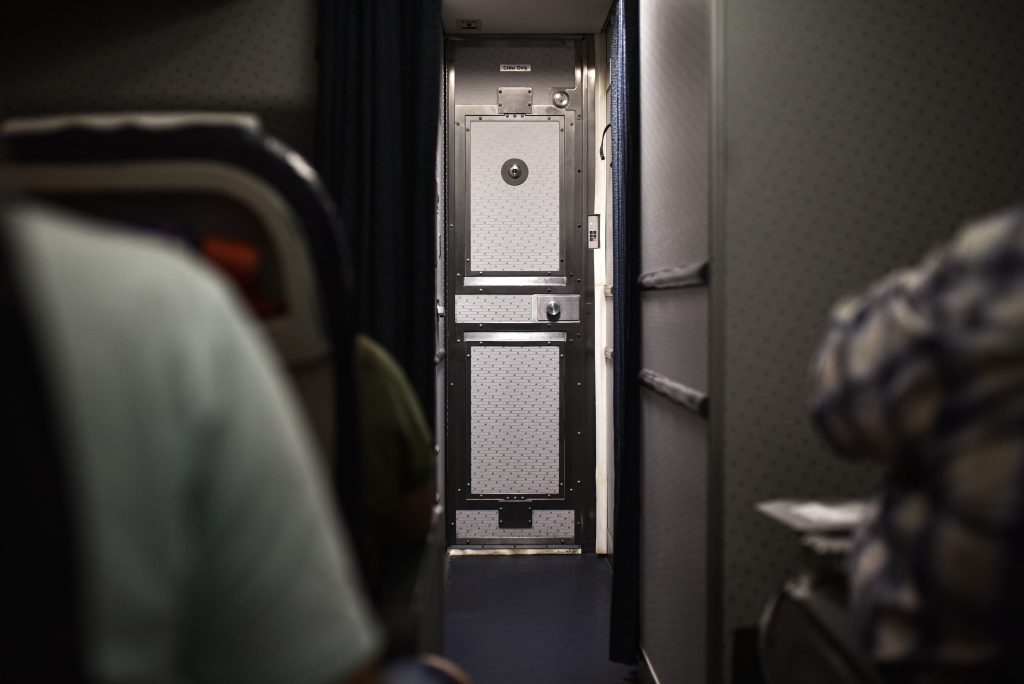
The IPSB sits between the forward galley and the primary bulletproof cockpit door, and is deployed whenever the primary cockpit door has to be opened in-flight, such as when the pilots need to use the lavatory.
Until now, US airlines have typically used beverage carts to block access to the cockpit whenever the primary door is opened, but the IPSB is a more secure system to ensure the integrity of the cockpit during these periods.
The IPSB isn’t bombproof or bulletproof, and it’s not designed to stop a sustained attack. Instead, it is a lightweight device that would prevent an intruder from accessing the flight deck for the few seconds that the primary door is open.
IPSBs aren’t new. In fact, they’ve been around for many years, although very few airlines ever bothered to invest in these devices.
After years of campaigning, however, Congress eventually signed a bill into law that requires US airlines to install these anti-terror barricades on all newly built airplanes.
The campaign to mandate IPSBs can be traced back to the aftermath of the 9/11 terror atrocities, although it wasn’t until 2018 that the law was approved as part of that year’s FAA Authorization Act.
Even then, the necessary rulemaking to make IPSBs a reality was kicked into the long grass. In 2023, however, the FAA finally got around to ordering airlines to start installing IPSBs on all new aircraft within two years.
From August 25, 2025, all new passenger planes delivered to U.S. commercial airlines were meant to have IPSBs installed, but following appeals from airlines and powerful aviation lobby groups, the FAA gave an 11-month extension.
Although all new planes that have been delivered since August 25, 2025, will need to have an IPSB installed, this doesn’t actually have to be achieved until July 31, 2026.
But with that date fast approaching, Airbus says it has faced “unforeseen delays” in the certification of the IPSB designed for its A220 model, which has prevented airlines from designing training materials for pilots and flight attendants in how to use the barricades.
“Additionally, significant supply chain issues are being faced for the IPSB components for both production and in-service aircraft,” an advisory from Airbus continues.
As a result, JetBlue has now written to the Department of Transportation (DOT) asking for a full 12-month extension on the requirement to have IPSBs installed on its A220s covered by the mandate.
“JetBlue requests that the FAA grant this relief through July 31, 2027, unless sooner superseded or rescinded, or until JetBlue has installed a compliant A220 IPSB on all affected aircraft, incorporated the applicable approved procedures, and completed required crewmember training, whichever occurs first,” the airline wrote in its exemption request.
JetBlue is requesting the exemption just for itself, but it isn’t the only operator of the A220 in the United States. The aircraft is the primary model used by Breeze Airways and is also in operation at Delta Air Lines.
Due to the current delays, Airbus Canada doesn’t believe it will have achieved the necessary certification for the A220 IPSB until some point between July and September 2026. If that timeline holds, IPSBs could then be installed in factory-fresh A220s from September 2026 and retrofits expected in early 2027.
Without an exemption, JetBlue would be forced to ground its aircraft affected by the mandate, stripping the beleaguered carrier of vital capacity at a time when the U.S. aviation industry is still reeling from the collapse of Spirit.
In its exemption request, JetBlue says that safety would not be compromised.
“JetBlue will continue using approved flightdeck security and secondary barrier procedures to deter flightdeck intrusion and protect the flightdeck to the extent possible whenever the flightdeck door is opened in flight.”
The official term for this is an ‘Improvised non-installed secondary barrier’ or INSB – otherwise known as a beverage cart.
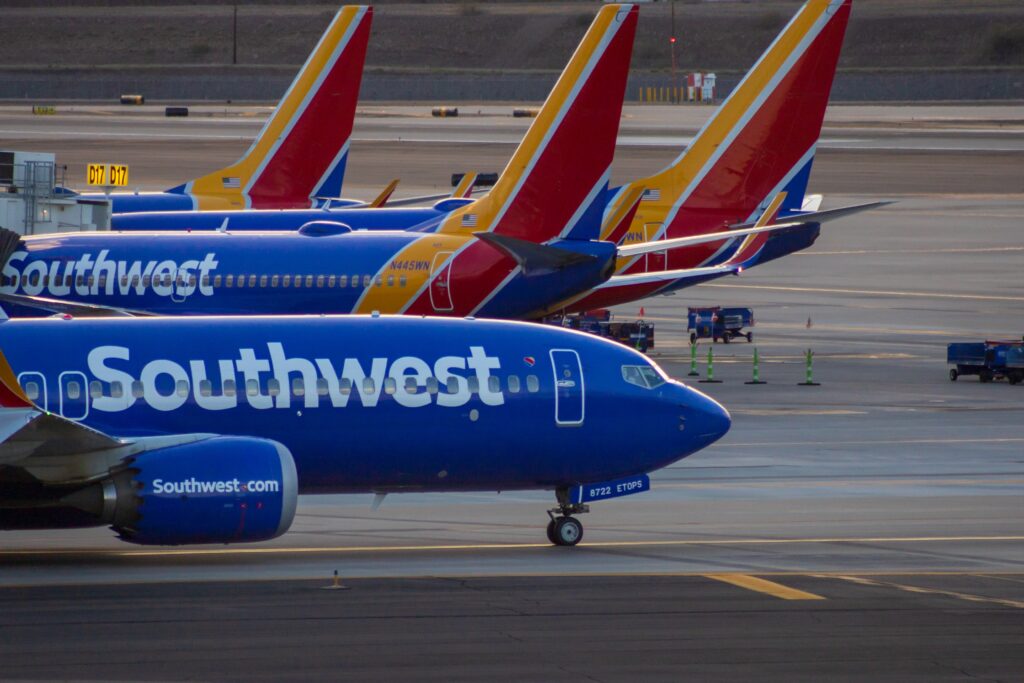
In August 2025, Southwest Airlines became the first U.S. airline to start using IPSBs after it took delivery of a Boeing 737MAX jet with the anti-terror barricade installed fresh from the factory.
Unlike other U.S. airlines, Southwest immediately started using the IPSBs where fitted, and will not wait until the end of the exemption period.
It’s worth remembering that the IPSB mandate only applies to aircraft delivered after August 2025. Any aircraft delivered before this date does not legally require an IPSB. Of course, there’s nothing stopping airlines from retrofitting older aircraft with IPSBs but no carrier has announced plans to do so.