



American Airlines faces a mammoth $2.64 million annual fee to allow its workforce of more than 47,500 pilots and flight attendants to skip past regular TSA airport security screening, as the Department of Homeland Security introduces a new fee as part of the introduction of its ‘Crewmember Access Point’ program.
United Airlines faces a similar annual bill of $2.17 million, and Delta Air Lines will be charged around $1.95 million per year for its aircrew to access the program. Meanwhile, Southwest Airlines will end up paying appoximately $1.38 million per year and JetBlue around $456,000.
Since 2011, pilots and flight attendants have been allowed to skip the regular passenger screening lane via a program called ‘Known Crewmember,’ which was set up as a joint initiative between the Air Line Pilots Association and industry trade group Airlines For America (A4A).
A4A has administered the program, providing the TSA with a database of airline crew members who have been security vetted to use KCM. When a crew member goes up to the KCM podium, a TSA officer scans their KCM badge to verify their name is still on the database, and then checks that the name matches their airline-issued ID badge.
Early last year, however, A4A and the TSA came to an agreement to retire the KCM program. But that doesn’t mean that aircrew will now be forced to use the normal passenger security lanes.
Instead, the TSA is creating its own program, called Crewmember Access Point (CMAP), which will be administered by DHS. Airlines will hand over their Master Crew Lists (used by airlines that operate to international destinations) or Master Personnel Lists (used by airlines that operate domestic flights only) to the TSA.
The TSA will then use these lists to build its own database of crewmembers who are allowed to access the CMAP access point. When the crew member arrives at the access point, the TSA will take a photograph of them, which will be cross referenced agains the CMAP database and a photo of the crew member held on existing federal databases.
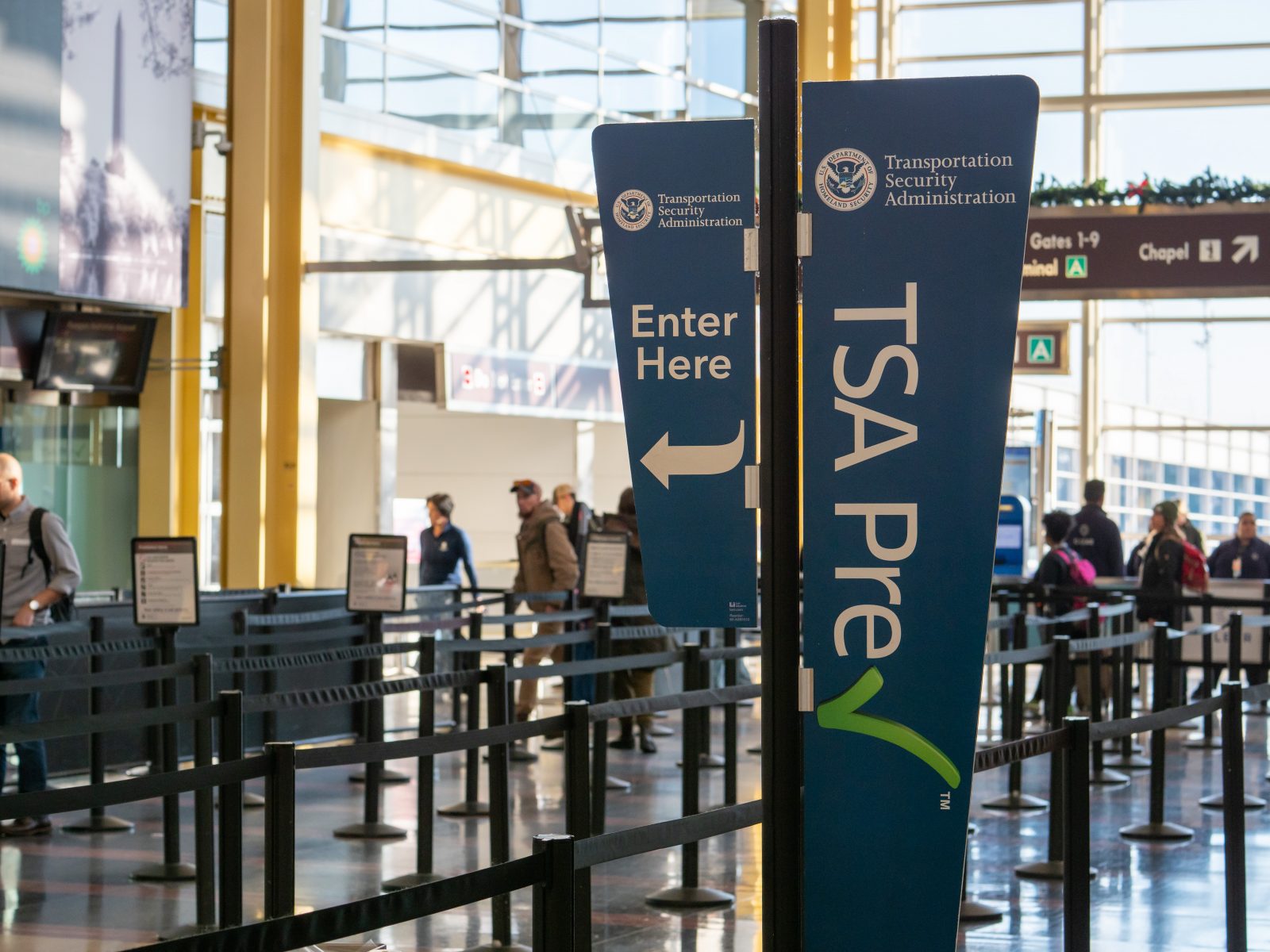
If there is a biometric match, then the crewmember will be allowed to skip security screening. If the match fails, then the crew member will be required to go through the TSA PreCheck lane.
KCM is expected to be permanently sunsetted at the end of 2026, although CMAP is already being tested at Washington National Airport (DCA), Dulles International Airport (IAD), and Las Vegas Harry Reid Airport.
CMAP will be voluntary, but if crew members don’t want to take part in the program, they’ll be required to use the regular TSA screening lane. Crew members may also be directed to use the regular lanes under the agency’s ‘unpredictable screening procedures.’
Until now, U.S.-based airlines funded KCM through their membership of A4A, but when CMAP comes into force across the United States, they’ll be required to pay the federal government for this service. On Monday, the Department of Homeland Security revealed exactly how much this service will cost.
Airlines will be required to pay $19 per crew member per year for use of CMAP. Much like KCM, crew members will be able to access CMAP whenever they are on duty and when they are traveling domestically for personal reasons.
Although the TSA plans to gradually roll out CMAP throughout the remainder of 2026, the fee will not be introduced until January 1, 2027. Explaining the reason for the fee, the DHS said that in 2006, Congress directed TSA to collect a fee to cover the costs of any registered traveler program.
With approximately 30,000 flight attendants and 17,500 pilots, American Airlines faces the largest annual fee, although this is likely to be considered money very well spent by the Texas-based carrier.
Airlines have increasingly relied upon KCM to ensure that aircrew can get to their gate as quickly as possible, avoiding flight delays because crew members are stuck in lines for the security checkpoint.
In 2022, American Airlines pilots threatened to stop using KCM because so many crew members were being pulled for random screenings (a response to the number of weapons and narcotics found on aircrew). The decision rattled the airline because of fears that flights would be delayed.
TSA also considers the administration of CMAP to be a worthwhile investment, meaning that it can concentrate its resources on higher-risk passengers.