



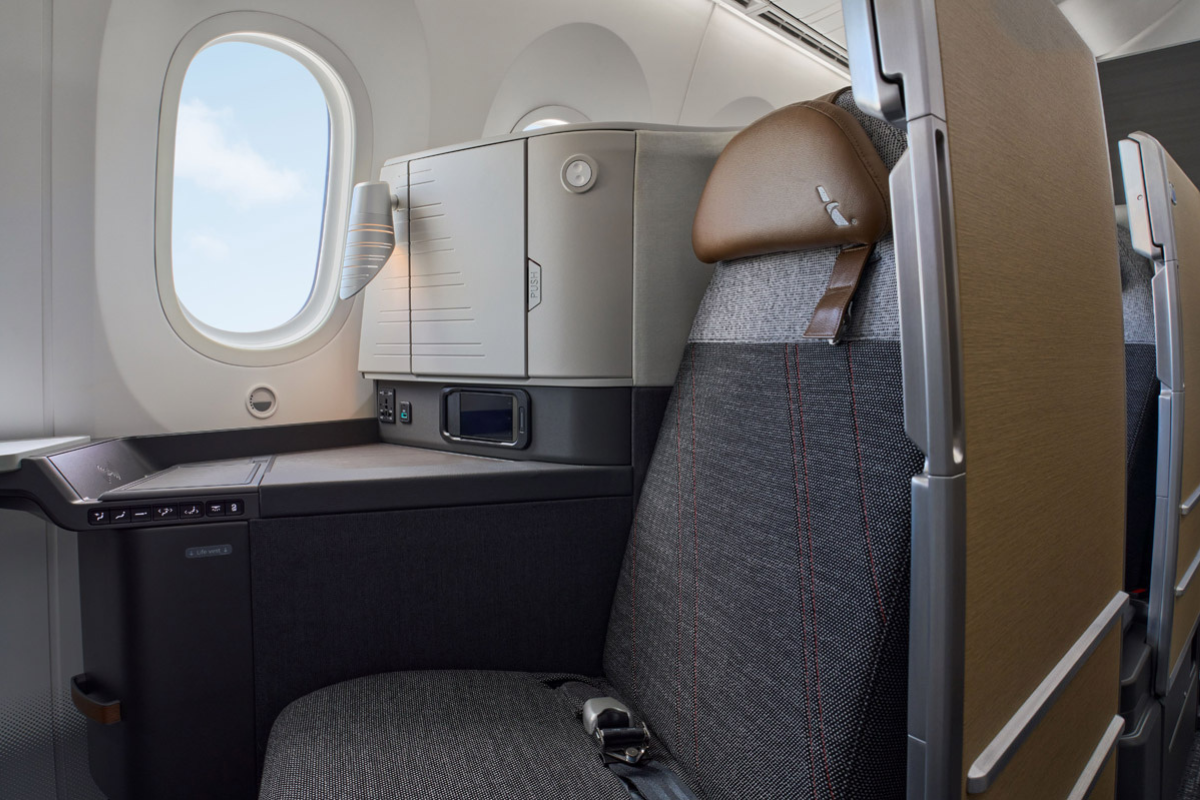
The button that controls the electronic dimmable window shades on Boeing 787 Dreamliners is said to be one of the aircraft manufacturer’s best-selling spare parts for the high-tech widebody aircraft, costing airlines tens of thousands of dollars a year to replace because passengers can’t help but repeatedly press them.
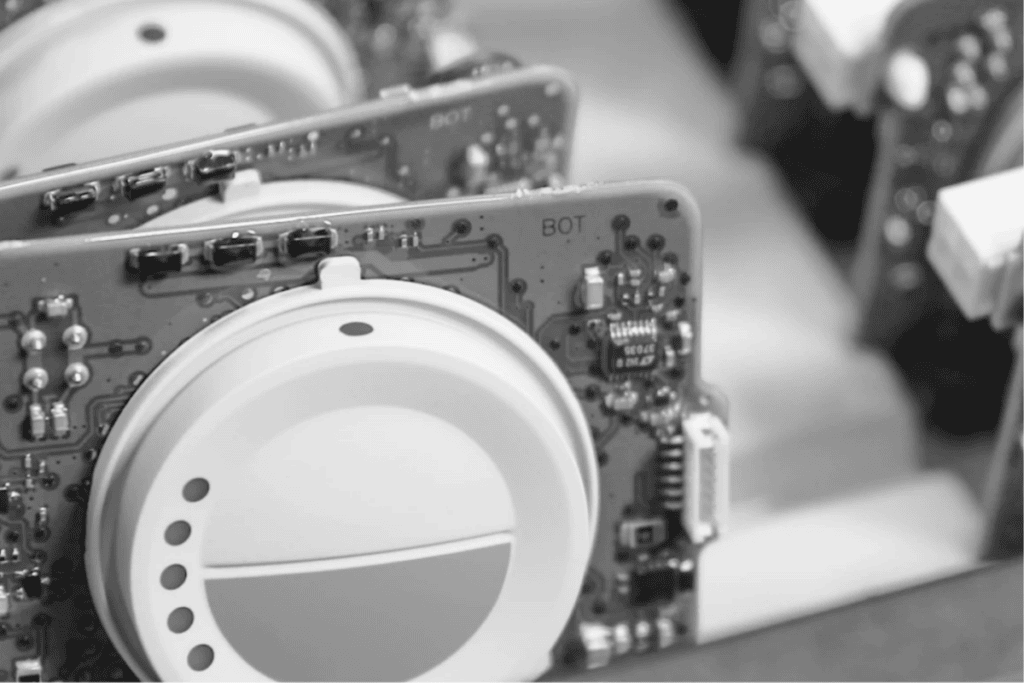
The reason, as revealed by licensed aircraft maintenance engineer Fahad Naim, is that passengers don’t think the button is working because it takes so long for the window to start dimming. Passengers then constantly press the button, wearing it out faster than expected, which requires a new button to be installed.
The Boeing 787’s electronically dimmable windows were revolutionary when the aircraft took its maiden flight in 2009 after six years of development, although they have proven to be a controversial design choice, with frequent flyers often complaining about their effectiveness.
The dimmable windows use electrochromic technology, in which an electrical charge is sent through a special transparent gel that’s sandwiched between two panels within the 787’s windows. By increasing the voltage running through the gel, the window gets progressively darker.
There are five levels of darkness on the 787 Dreamliner range from 1 (which is fully transparent) to 5, which is the darkest setting. It normally takes up to 60 seconds for the window to fully darken from Level 1 to Level 5, and on older models of the plane, this process can take as long as 100 seconds.
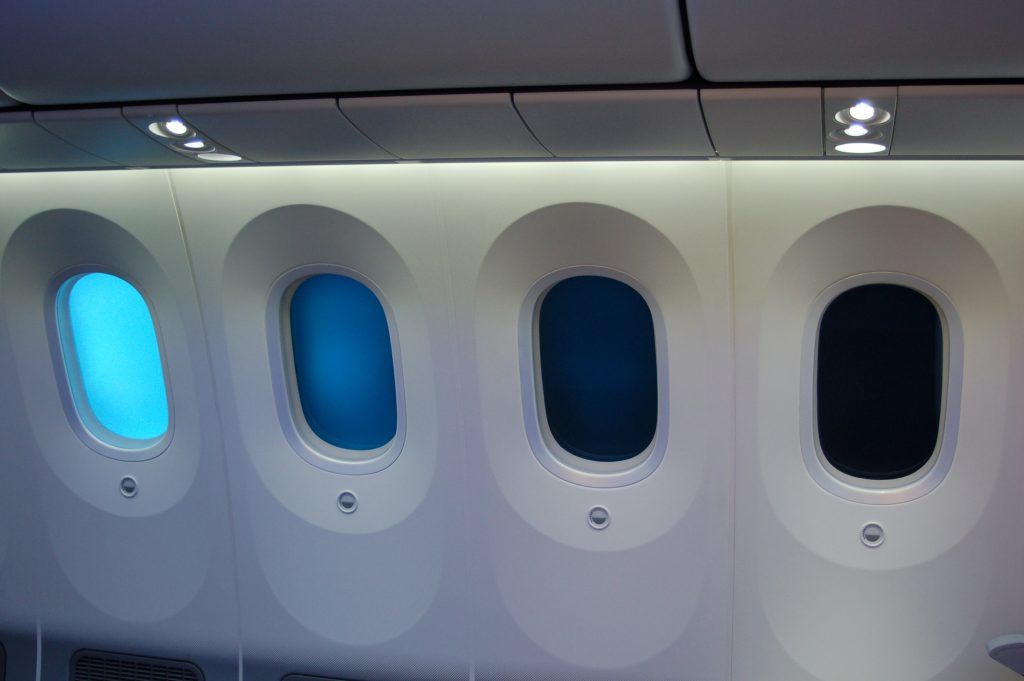
In the opposite direction, from Level 5 to Level 1, the process is even slower, taking between 2 and three minutes for the gel to become fully transparent again.
The control button below every window has a blue LED light to indicate what Level it is being adjusted to, but, it doesn’t appear that passengers often pay much attention to this.
“We often replace these electrical dimmable window push buttons on B787,” Naim said in a post on X. “Many passengers keep pressing because they think it’s not working. This wears the button out fast.
Replacements aren’t cheap.”
When the buttons stop working, or there’s another fault with the window, the manufacturer Gentex says the system is designed to fail to transparent, in order to comply with emergency evacuation requirements set by many governments.
We often replace these electrical dimmable window push buttons on B787.
— Fahad Naim (@Fahadnaimb) June 30, 2026
They control the electrochromic windows… you press to tint the glass darker, but the change is slow. Many passengers keep pressing because they think it's not working. This wears the button out fast.… pic.twitter.com/SFv68Pi86J
If this does happen, then Boeing has a much lower-tech solution to block out the light before the window can be fixed – stick on window shades.
Along with how long it takes for the electronically dimmable windows on the Boeing 787 to darken or lighten, passengers are often annoyed with how much light they still let creep into the cabin, especially when the sun is rising at striking one side of the plane.
It was for this reason that rival aircraft manufacturer, Airbus, initially rejected the idea of electronically dimmable windows when it was developing its A350 widebody twinjet. It wasn’t until 2021, more than nine years after the A350 first took flight, that Airbus announced that it was adding electronically dimmable windows to the plane.
That decision only came about after Gentex further developed the technology, with the dimming effect updated to be 100x better than the windows installed on Boeing 787s, effectively blocking out 99.99 per cent of visible light.
The dimming effect is also quicker, and Airbus opted for controls that don’t require a physical mechanism to activate the dimming technology.
Airbus has kept the dimmable windows as an optional (and more expensive) extra for airlines to install, with traditional pull-down window shades, remaining the standard line fit option. Some airlines, such as Emirates, have even opted for the best of both worlds by installing electronic physical shades that lower at the touch of a button.
Boeing won’t start offering the newer and better version of electronically dimmable windows until the Boeing 777X starts being delivered to airlines. The aircraft’s certification has been chronically delayed for years, although there is renewed hope that deliveries could start in 2027.
Want to see more stories like this? Add PYOK as a preferred source on Google, and we'll show up more often in your searches and Google News.
Add PYOK as a Preferred Source

Or you have situation like my last couple Hawaiian Airlines flights where the crew kept the windows on full dim until the gear came down on approach to HNL…. as people got irritated with inability to see the sights coming in over the east side of Oahu. Or on takeoff the pilot mentioned we’d be flying out over the Golden Gate with a beautiful view… and the crew dimmed the windows full before we even hit that point.
I think the framing of this article is a bit off. If the buttons wear out quicker than anticipated, then it’s a design problem. It’s not the fault of passengers, who are using it intuitively. If consistently these buttons wear out and need replacing faster than expected, that to me points to the designers, not the passengers.