



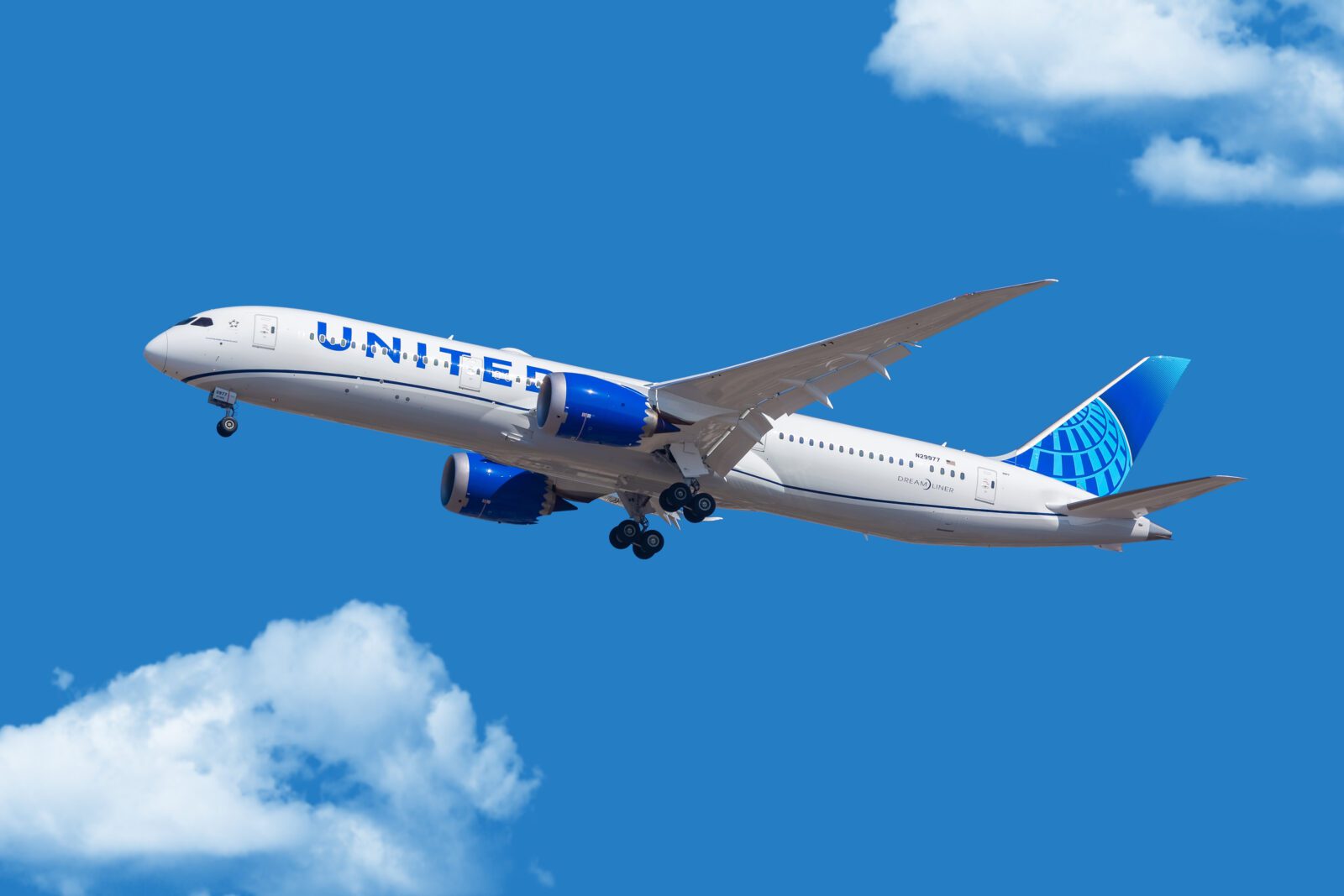
The Association of Flight Attendants (AFA-CWA) is by far the largest crew member union in the United States, representing around 55,000 flight attendants at nearly two dozen airlines across the country. The jewel in AFA’s crown, though, is United Airlines, whose flight attendants make up more than half of the union’s total membership.
Leading AFA’s United membership, therefore, could definitely be considered one of the more important jobs within the union, and the baton has recently been taken over by Scott Pejas, a veteran United Airlines flight attendant who first joined the carrier back in 1996.
Scott initially started working out of United’s Los Angeles base before transferring to Chicago O’Hare in 1999, where he has remained ever since. Despite taking on the mammoth task of being the representative of around 30,000 flight attendants, Scott plans to continue flying as a crew member while holding the role of Master Executive Council President.
Thankfully, Scott takes on the role at a relatively good time. United’s flight attendants have only recently ratified a new five-year collective bargaining agreement that locks in pay rises over the coming years, along with a slew of other contract improvements that were hotly contested over several years.
During this long bargaining process, it’s fair to say that the leaders of United’s MEC and its negotiating committee took some flak from frontline employees, but Scott and the other elected officials aren’t newbies to union work.
In fact, Scott was first elected as Chicago’s local executive council leader in 2016, and it’s during this time that he was involved in what the union describes as one of his ‘most notable’ pieces of work: changing the wording of United’s Canada admissibility policy.
For years, United had a policy in which flight attendants must be able to legally operate to any destination within the airline’s network. That generally means that crew members can’t have criminal convictions that would bar them from entering a country without first obtaining a visa or undergoing other background checks.
This was particularly an issue for flight attendants with past DUI convictions because Canada has some of the strictest DUI laws in the world. A DUI conviction in the United States within the last five years makes someone automatically inadmissible for entry to Canada, including pilots and flight attendants.
In other words, flight attendants with a DUI conviction faced the risk of being terminated because they wouldn’t be allowed to enter Canada.
Scott, however, was involved in changing this policy, meaning that inadmissibility to Canada no longer means United’s flight attendants have to hang up their wings.
Veteran crew members who are ‘lineholders’ simply bid for trips that avoid Canada, while the situation is slightly more complicated for newer flight attendants who are on ‘reserve.’ If they get assigned a trip that involves a stopover in Canada, they would be assigned what is referred to as a ‘missed trip.’
That might ultimately lead to disciplinary action at some point down the road, but they can, at least, continue to work for United even though they aren’t legally allowed to enter Canada.
United has a similar policy for its pilots, but not all airlines allow this kind of flexibility. Inadmissibility to Canada can still lead to termination at other airlines.
This is one of those lesser-known policy changes where unions would likely say they have brought about a positive outcome for their members… something that might not have happened if it wasnt for the union.
Want to see more stories like this? Add PYOK as a preferred source on Google, and we'll show up more often in your searches and Google News.
Add PYOK as a Preferred Source

Nothing like a criminal drunk to have your life in his/her hands.
But I would even think that UA can reserve the right to even resked crews who hold a line for needs of service in extraordinary IROP circumstances… (maybe after exhausting reserves first, etc.
At Delta we check a box to opt out of Canadian flying…….no questions asked……never assigned Canadian flying. Its such a minuscule amount of domestic flying anyway.