



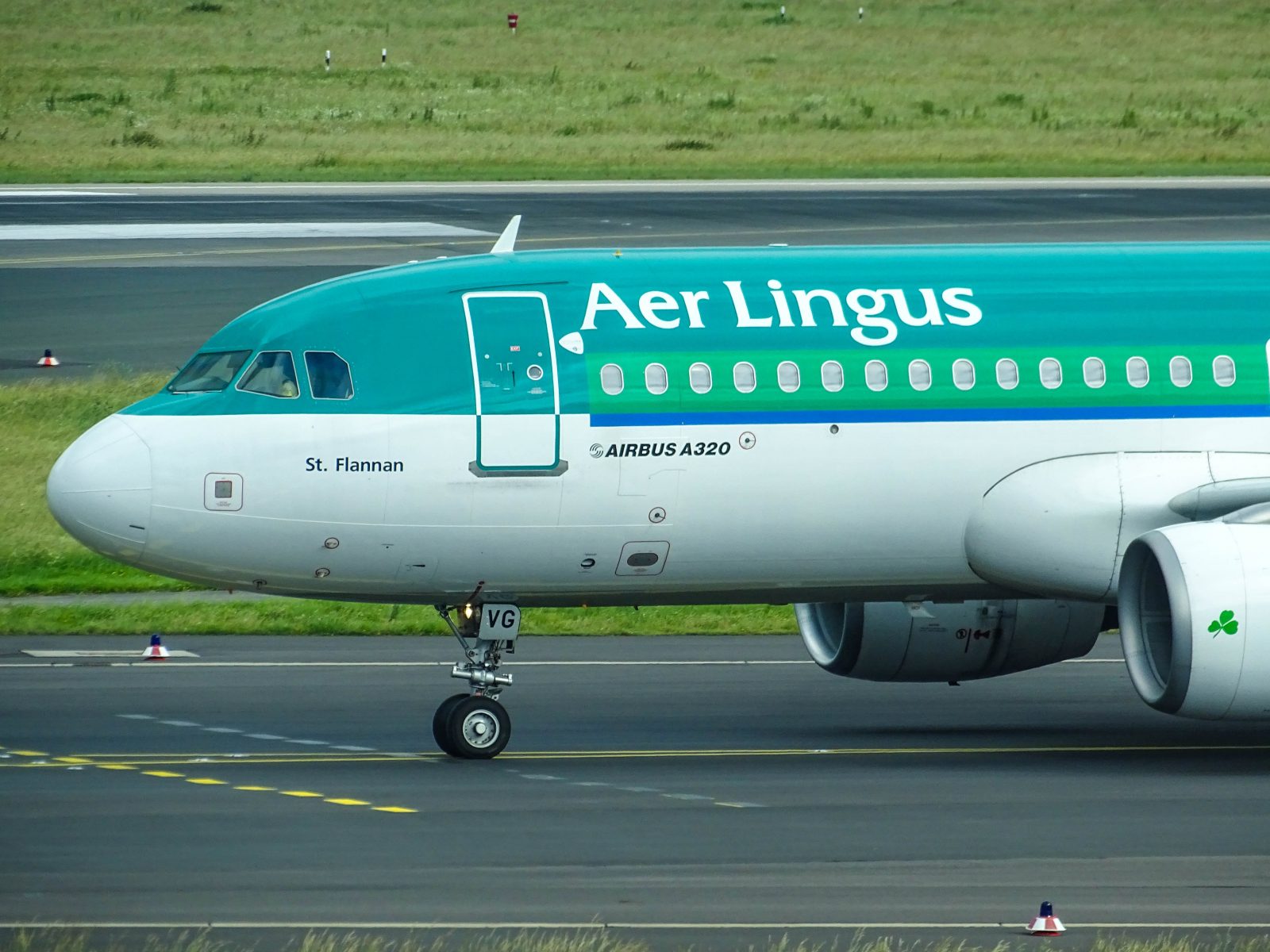
Irish flag carrier Aer Lingus plans to slash 500 jobs and axe a slew of routes, citing increased competition and rising costs, which have prevented the Dublin-based airline from securing additional investment from its parent company, IAG, which also owns British Airways, Iberia, and Vueling.
According to Aer Lingus, the job losses will include 70 pilots, 140 cabin crew, and 290 head office roles. The Fórsa trade union, which represents Aer Lingus cabin crew, has demanded the airline “engage constructively” to prevent compulsory job losses.
The decision to downsize its workforce came after Aer Lingus announced it was either axing or downgrading a slew of routes to seasonal destinations only. Starting in September, Aer Lingus will begin axing flights between Dublin and Denver, Minneapolis, Las Vegas, and Split.
Meanwhile, flights between Dublin and Seattle, Frankfurt, Hamburg, and Malta will become summer seasonal only routes, rather than the year-round services they have been up to this point.
Overall, Aer Lingus will be trimming 6% of its current capacity, as it seeks to make cost-savings in the face of rising fuel bills and increased competition out of Dublin.
As part of the IAG Group, the airline must reach ambitious profit targets in order to secure additional investment. This year, the Anglo-Spanish company told Aer Lingus that it must hit a margin of between 12 and 15% in order for investment to be unlocked. Aer Lingus only reached a margin of around 10%.
To put it into perspective, just how ambitious these targets that IAG has set are, the International Air Transportation Association (IATA) reports that the average operating margin in the airline industry sits at around 6.9% (profit margins are even lower at around 3.9%).
The airline industry is notorious for operating on very thin profit margins, and global diplomatic crises like the current situation in the Middle East will almost always have a negative impact on how well an airline performs.
That being said, there are some very well-known outliers. The jewel in IAG’s crown, British Airways, has an operating margin of as much as 18%, while Aer Lingus’ Irish rival Ryanair can report a margin of 20+%.
The situation for Aer Lingus is incredibly tricky because it needs to decide what kind of airline it wants to be. It can either attempt to go head-to-head with Ryanair and turn into an ultra-low-cost carrier, although that would almost certainly end in abject failure.
Or it can chase the premium market, where the best margins currently are. In order to do this, though, the airline needs investment. At the moment, Aer Lingus is stuck in a Catch-22 position. It has to cut costs, which could alienate premium passengers, while still operating at a higher cost base than Ryanair.
Fórsa national secretary Hazel Nolan said the sheer scale of Aer Lingus’ planned cuts was “deeply concerning,” adding in a statement:
“Today’s news will be very difficult for Aer Lingus workers and their families, many of whom will be worried about what this means for their livelihoods.”
Nolan added: “Our focus now is on supporting members through this uncertainty and ensuring their interests are fully protected throughout the process.”
Meanwhile, Captain Daniel Langan, president of the IALPA union, which represents Aer Lingus pilots, said the cuts raise “fundamental questions about the strategic direction being taken by Aer Lingus.”
Earlier this year, Aer Lingus closed down a long-haul base it created in Manchester, England, with the loss of 200 cabin crew jobs. The decision to shutter the base came after crew members took part in a strike action following failed negotiations over a potential pay rise.
Aer Lingus said the real reason for the closure was that it was struggling to make the base, which operated flights from Manchester to New York, Orlando, and Barbados, profitable.
At the time, chief executive Lynne Embleton said profitability on flights from the Manchester base “significantly lagged” its long-haul flights out of Dublin.
Aer Lingus’ relationship with frontline workers has been rocky for a number of years. In 2025, IAG refused to deliver a brand-new Airbus A321XLR aircraft to the airline because of a dispute with pilots.
The aircraft are part of the airline’s long-haul modernization plan, but the first delivery ended up going to Iberia.