



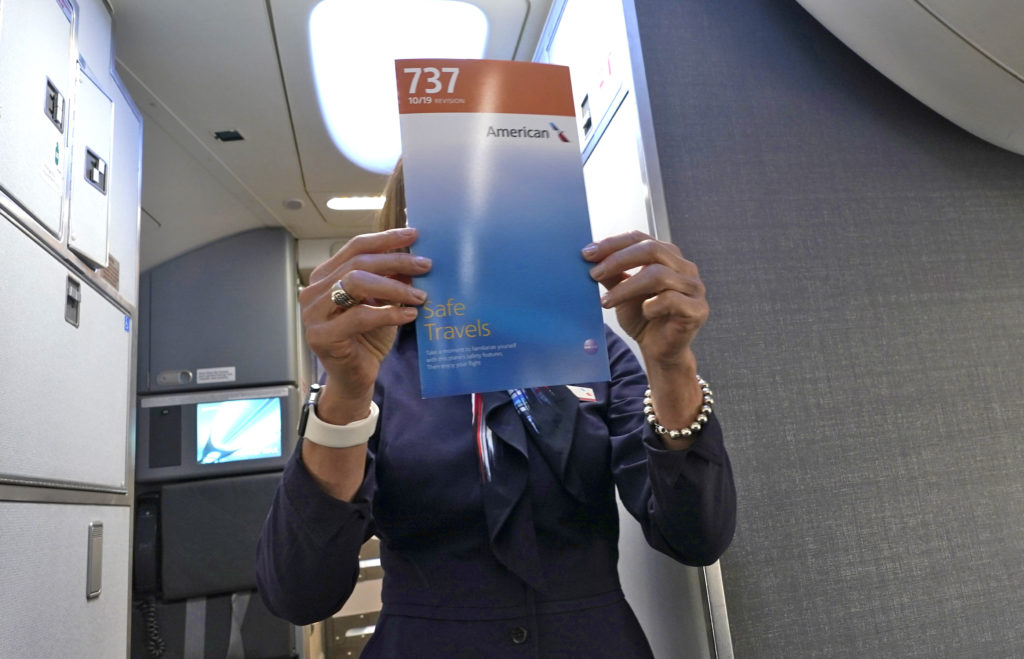
From May 1, American Airlines will become the largest carrier in the United States to change its rules for passengers traveling with power banks in their carry-on luggage, following an alarming rise in the number of in-flight fires caused by overheating lithium batteries.
The new rules are based on official guidance created by the UN’s specialist aviation watchdog, the International Civil Aviation Organization (ICAO), which set up a review last year in response to a spate of emerging diversions and evacuations caused by lithium battery fires.
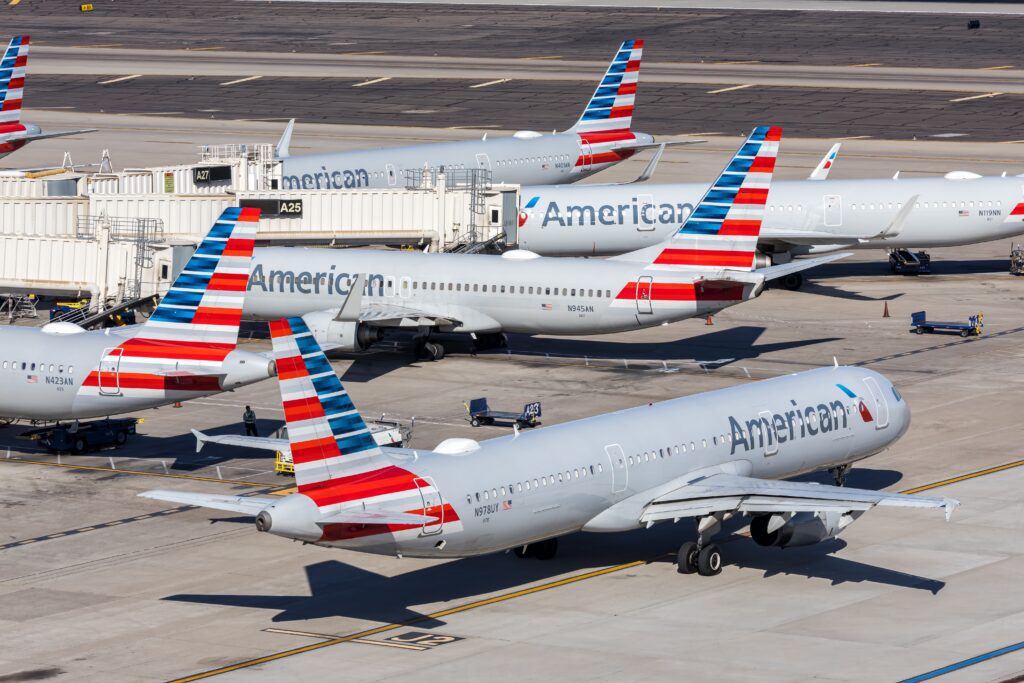
American Airlines has essentially adopted the ICAO guidelines as written, with travelers now expected to:
- Pack a maximum of two portable power banks in their carry-on luggage
- Keep their power bank in plain view when it is being used to charge a device
- Not to use the in-seat power supply to charge their power bank
- Not to charge a device when the power bank is in the overhead locker
The new guidance builds on previous rules that banned passengers from packing power banks in their checked luggage – these rules remain very much in force.
Airlines around the world are currently reviewing the ICAO guidance, although implementation of the rules remains patchy, with some carriers responding much faster than others.
In the United States, Southwest Airlines is currently the only other carrier to have adopted updated power bank rules, although the Dallas-based airline has introduced a new mandate that goes even further than international guidance.
Since April 20, Southwest Airlines has banned passengers from carrying more than one power bank, which must be kept in plain sight at all times and never stored in the overhead locker.
Passengers can still use power banks to charge their devices, but they must not use the in-seat power to charge the power bank.
Any device powered by a lithium battery, such as a cellphone, laptop, e-cigarette, or power bank, has the potential to overheat and catch fire, in a process known as ‘thermal runaway.’
The term ‘thermal runaway’ comes from the fact that Lithium batteries are made up of lots of fuel cells. When one cell overheats, this can quickly spread to the next cell and so on until the power bank explodes into flames.
A thermal runaway can cause lots of heat, sparks, fire, and smoke, and can be very difficult to extinguish.
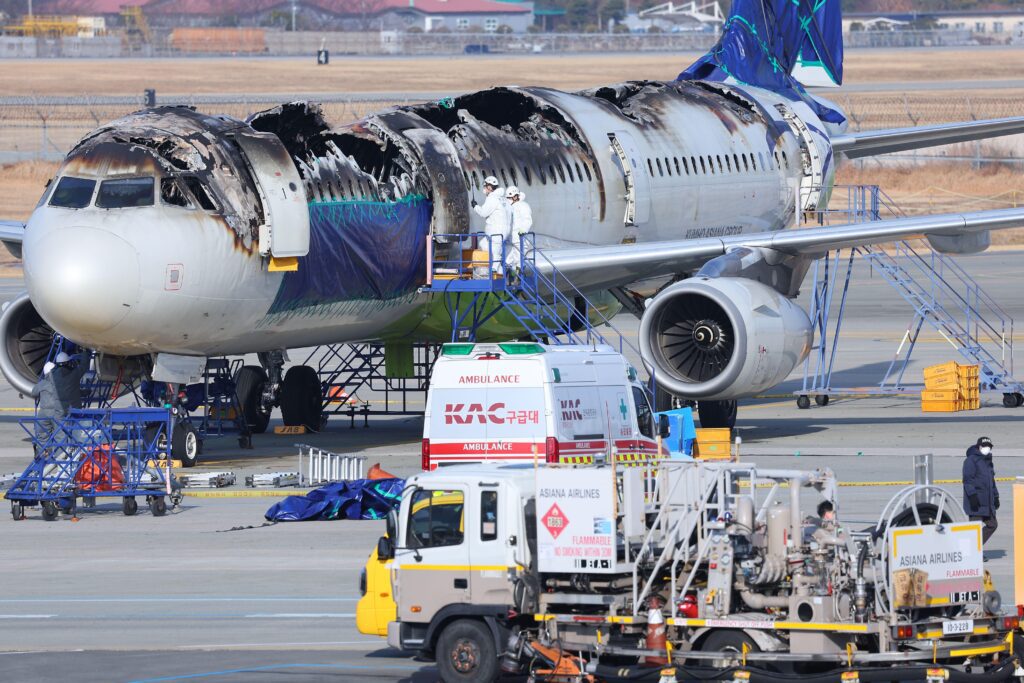
The defining incident that prompted the review into the carriage of power banks was a fire onboard an Air Busan Airbus A321 at Gimhae Airport in South Korea in January 2025.
A power bank caught fire in a passenger’s backpack that had been stored in an overhead locker as the plane was still boarding. No one noticed that the power bank was overheating until the fire began to spread and smoke started to pour out of the overhead locker.
Cabin crew were unable to extinguish the fire, and an emergency evacuation via inflatable slides was ordered. The fire quickly spread throughout the cabin, gutting the airplane’s fuselage.
In response to this incident, several major international carriers based in Asia quickly clamped down on the carriage of power banks, while many others waited for the results of the ICAO guidance.
There is now a patchwork of regulations, based on individual airline rules, local regulator guidance, and reviews carried out by ICAO and the International Air Transportation Association (IATA).
In many cases, an airline will be none the wiser as to whether passengers are carrying more than one or two portable power banks, but some airports are now screening carry-on bags to ensure compliance.
Most notably, travelers in Hong Kong and Singapore can expect to be stopped at the airport security checkpoint if they are carrying more than two power banks in their carry-on baggage.