



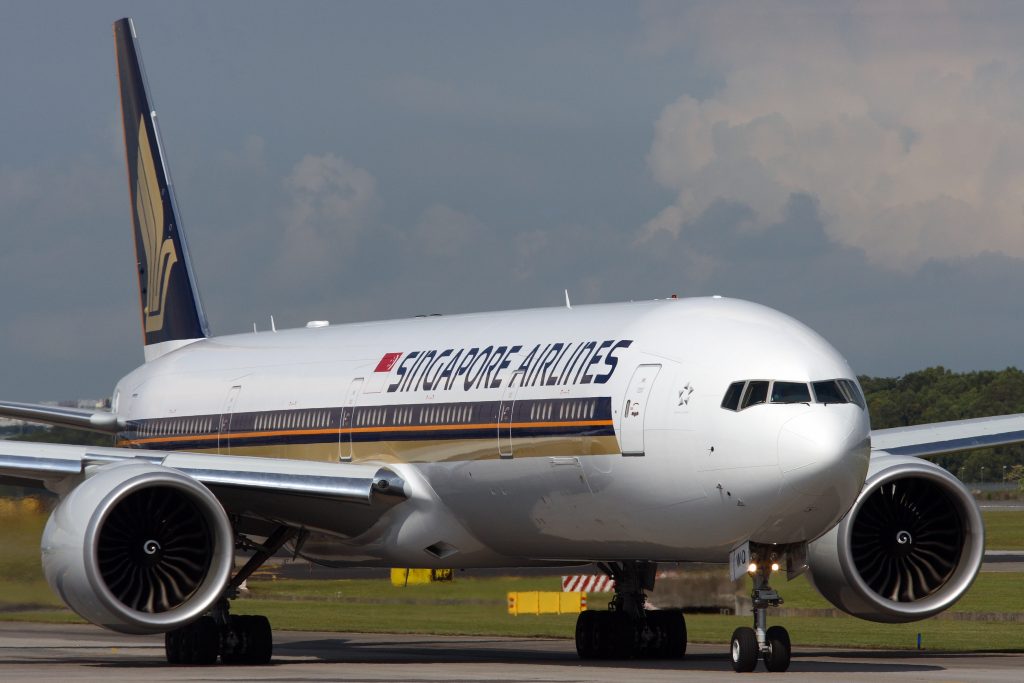
The cockpit weather radar on a Singapore Airlines Boeing 777-300, which suffered severe turbulence during a flight from London Heathrow to Singapore Changi in May 2024, resulting in the death of one passenger, probably wasn’t working, accident investigators have concluded.
In its final report into the deadly incident, Singapore’s Transport Safety Investigation Bureau said that issues with the weather radar system on the 18-year-old aircraft could not be ruled out, although it stopped short of blaming the potential fault for the accident.
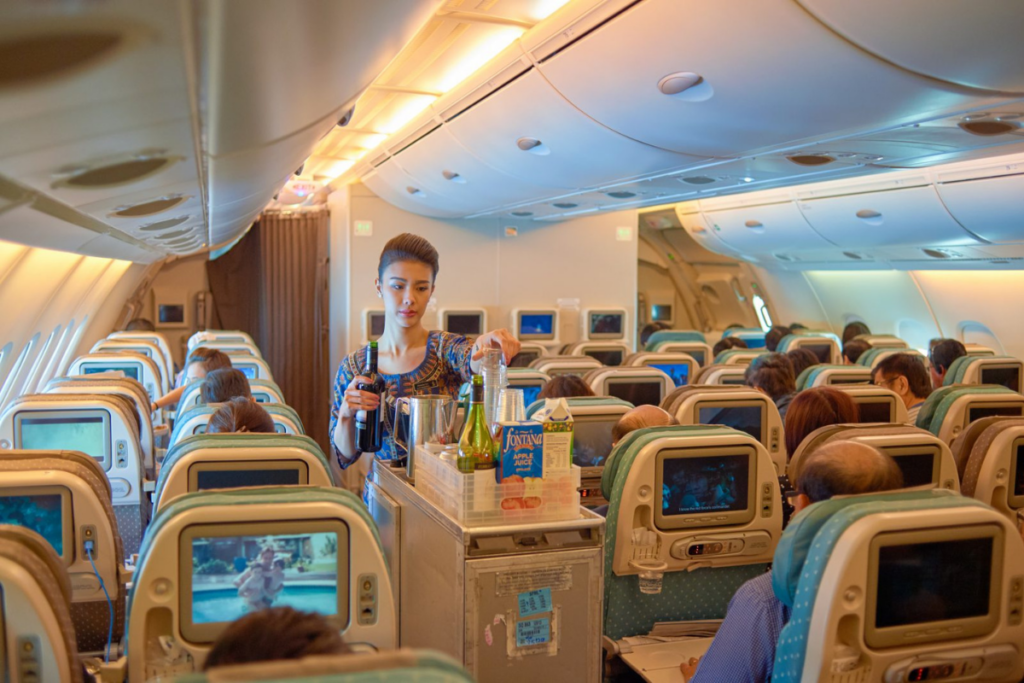
Passengers on board Singapore Airlines flight SQ-321, which departed London Heathrow on May 20, 2024, were just waking up for the pre-arrival meal service towards the end of what was supposed to be a routine 13-hour overnight flight to Singapore.
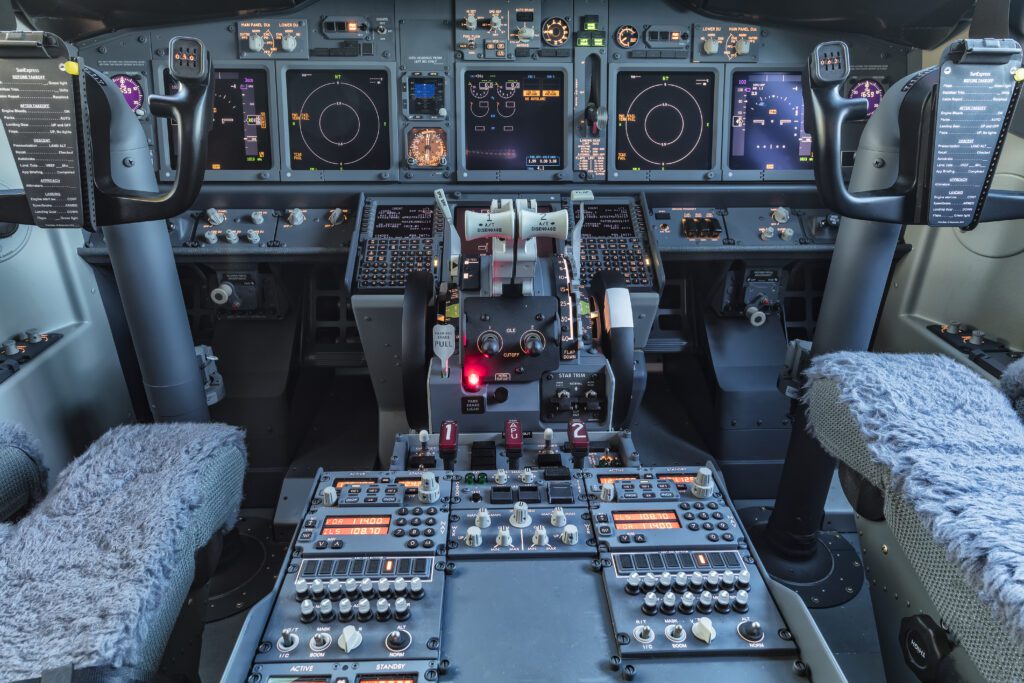
Although the pilots had been briefed in London about the possibility of turbulence in the final stages of the flight, they didn’t notice any significant weather concerns, either outside the cockpit window or on the cockpit weather radar display, as they flew over Myanmar en route to Singapore.
To the surprise of the pilots, however, the aircraft entered an area of turbulence. The pilots immediately turned on the fasten seatbelt signs, but just 17 seconds later, the turbulence became severe.
So severe, in fact, that a stall warning system was momentarily activated and the pilots took manual control of the aircraft to stabilize it until the worst of the turbulence was over.
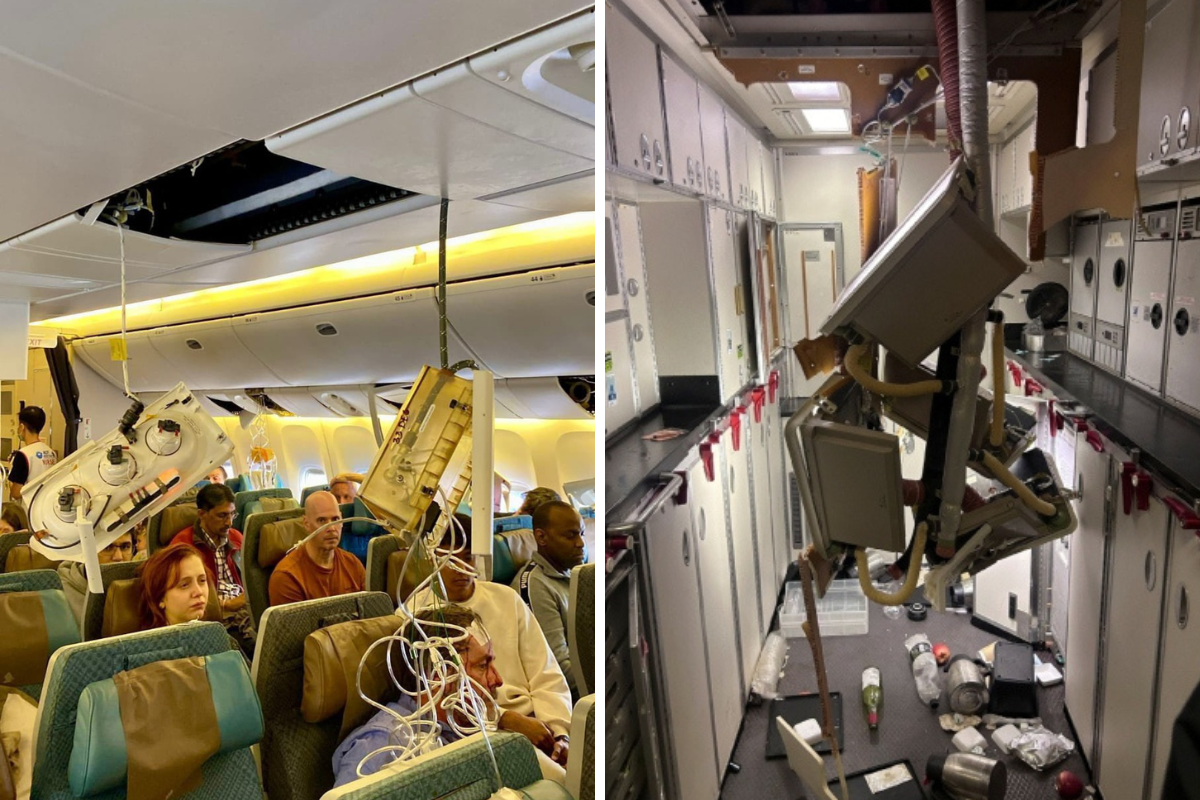
In the cabin, anything and anyone that hadn’t been strapped down had been tossed into the air and thrown back down to the floor. Multiple passengers and cabin crew had sustained serious head injuries, concussions, and broken limbs as the plane seemingly dropped out of the sky.
One British passenger tragically died after suffering a heart attack despite the best efforts of the cabin crew, who immediately sprang into action to perform CPR on him.
Of the 211 passengers on board, 51 sustained serious injuries, and a further 22 sustained minor injuries. Among the 15 cabin crew, 5 were seriously injured, and one sustained a minor injury.
The cabin was left in disarray with broken paneling, sidewalls, and seats, along with pieces of the ceiling hanging down from where passengers had been thrown into them.
After establishing just how serious the situation in the cabin was, the pilots requested an emergency diversion to Bangkok, where a fleet of ambulances was waiting on the ground to rush the injured to local hospitals.
It didn’t take long for accident investigators to start looking at a possible fault with the weather radar system, although, despite months of testing and investigative work, no definitive answer has been established.

The weather radar is designed to detect rainfall and display this data on a radar screen in a color-coded pattern. The weather radar is just one tool that pilots use to assess the risk of turbulence, and while it can’t detect all types of turbulence, it is still an important part of a pilot’s overall assessment.
In this incident, investigators believe that the weather radar display had a fault in which the color-coded pattern was being ‘underpainted’ on the screen. The radar was working as designed, but the pattern was being fully displayed on the screen.
Not that the pilots would have known this, as the weather radar system doesn’t have the functionality to display a live fault code.
There had been previous reports of ‘underpainting’ on the weather radar display on this particular aircraft, leading the investigators to conclude in the final report: “the investigation team believes that the WXR [weather radar] under-painting or no-painting without fault messages in the cockpit cannot be ruled out.”
In the aftermath of the incident, Singapore Airlines introduced a new turbulence data tool on a pilot’s iPad that links to the on-board Wi-Fi and refreshes with the most up-to-date weather information from live sources, rather than relying on data that was compiled many hours ago for a pre-flight briefing.
The investigation team also put out a plea to passengers to always wear their seatbelts, even if the seatbelt sign isn’t turned on, and to avoid moving around the cabin unnecessarily.
Since this incident, Singapore Airlines will suspend meal service whenever the seatbelt sign is switched on. In addition, both the cabin crew and the pilot are required to make public address announcements whenever the seatbelt sign is switched on.
Investigators have called on Boeing to develop guidance for pilots to ascertain whether the weather radar display is underpainting, and for engineers to identify these issues.


After all this, it’s amazing and reassuring how much punishment these planes can take and still safely make it to it’s destination. The same kudos go to well trained and skilled pilots.