



‘Combative and Stressful’: British Watchdog Slams Airport Security Over Mistreatment of Flight Attendants

- A British aviation watchdog has finally admitted what international flight attendants have known all along - Airport security checkpoints in the UK are way too stressful and security officers are allowed to act with impunity.
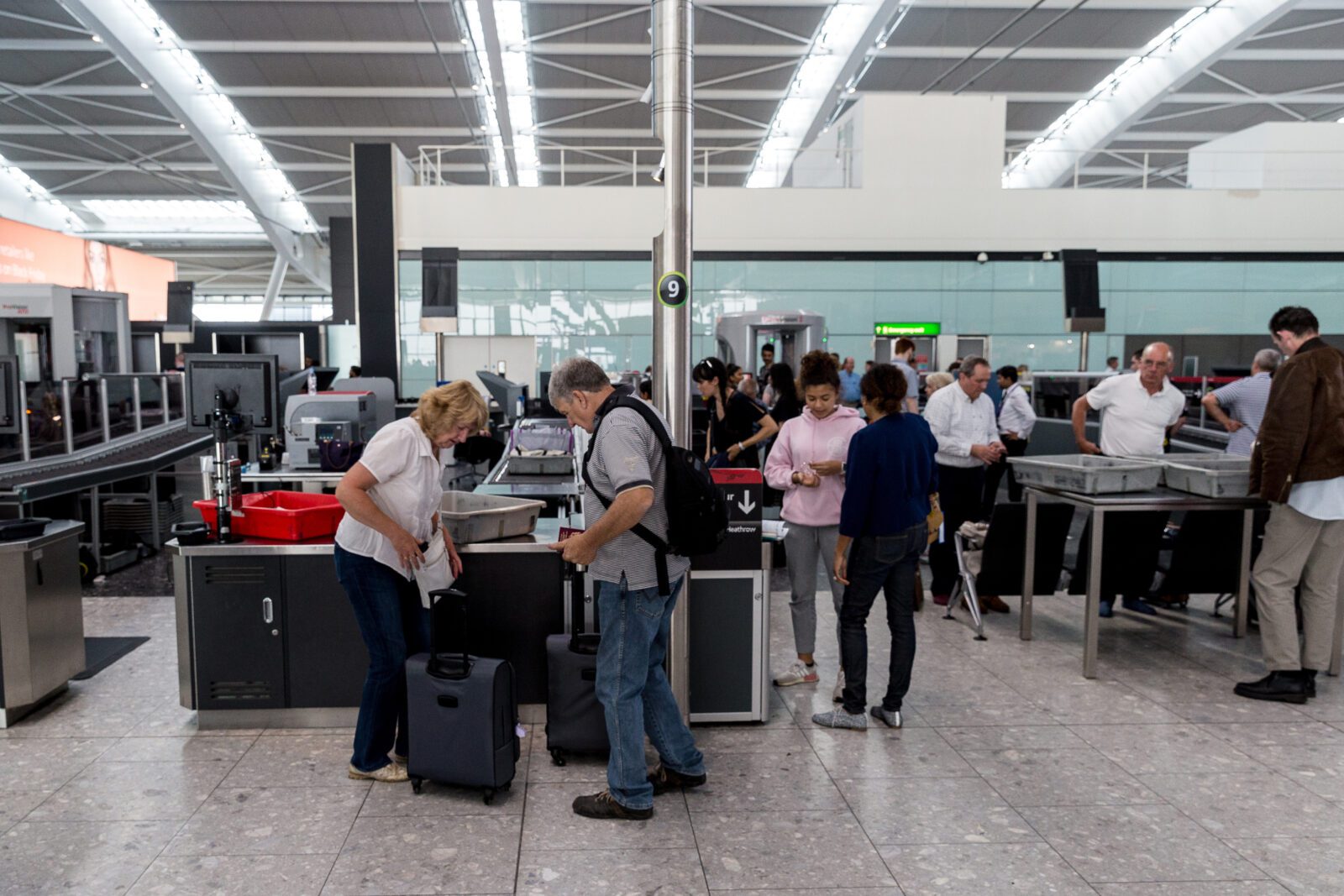
There’s probably nothing controversial in saying that the airport security experience can be an incredibly stressful and often bewildering experience, with agents barking directions and making up new rules on the spot, as well as issuing all sorts of threats unless you comply with their orders.
Just how stressful and combative that experience might be, however, can vary massively from country to country and from airport to airport.
The Transportation Security Administration (TSA) in the US often gets a bad rap for surly security agents and archaic rules, but every international flight attendant will tell you that there’s one country that has an even worse reputation.
That country is the United Kingdom, and Heathrow Airport (LHR) is probably considered one of the worst airports in the world for flight attendants just because of the security experience.
You never know whether an agent is suddenly going to ban an innocent item that has traveled through the same security checkpoint time and time again without any issues.
Bags are frequently pulled aside for additional screening, and for some reason, British airports seem to take delight in making this process as lengthy and uncomfortable as possible.
It’s an issue that airports have, for too long, failed to address, claiming that in the name of security, they can pretty much act with impunity.
Finally, however, a British regulator that investigates so-called ‘human factors’ issues within the aviation and maritime industries is calling out airports for treating pilots and flight attendants poorly at the security checkpoint.
The organization, known as CHIRP, said it had “recently received a number of concerning reports about security screening at UK airports. These reports come from across the industry – flight crew, engineers, cabin crew, and ground handlers alike.”
“The effort required to stay calm – especially when you’re now going to be late for report or faced with inconsistency – can be considerable. Many crew report feeling anxious, frustrated and under pressure even before their duty day has begun,” CHIRP says in a recently published editorial.
“Airports and airlines have a responsibility to ensure that security checks are conducted professionally and consistently. Otherwise, the knock-on effects on crew, who are humans not robots, can have unintended safety consequences.”
The organization received one worrying report from a pilot who was left so wound up from the treatment he endured at a British airport security checkpoint that they were “still significantly distracted by it well into the flight.”
In raising these issues with airport operators, CHIRP has faced a troubling barrier with airports resisting change and having little regard to how security checks are conducted.
“There appears to be minimal concern for transparency, consistency, or the mental state of crew following these interactions,” the editorial continued.
“Worryingly, security staff often have little understanding of the safety-critical responsibilities crew members take on immediately after leaving the checkpoint.”
CHIRP says it isn’t advocating for aircrews to receive special treatment at the security checkpoint, arguing that it’s important that pilots and flight attendants go through the same security checks as anyone else.
Thankfully, the rollout of new security technology at British airports is making the process less stressful, but it doesn’t seem like CHIRP is so sure that crew and passengers alike aren’t still going to face inconsistency and harsh treatment at the checkpoint.
The organization is imploring crew to “stay quiet, compliant and composed,” even when they are being provoked by security personnel.
Matt’s Take
While CHIRP believes aircrews should go through the exact same security checks as regular passengers, I would have to disagree, and this approach is pretty unusual from an international perspective.
For example, in Europe, airports offer a randomized expedited screening program for aircrews. On arrival at the checkpoint, crew press a button and are randomly assigned for a standard security check or an expedited check which just involves swabbing the crew member’s hands and luggage for explosives.
In the United States, the TSA is ending a program that allowed crew members to almost entirely skip security checks, although a replacement program is being developed that will still allow a highly expedited walk through the checkpoint.
Similar programs exist in many other countries, recognizing that crew members must be security vetted for their job.


I’m sure there is a real issue behind t difficult to believe they’re more hostile than the USA’s authorities… & the subsequent risk of ICE actions
Glad that it’s been recognised and (hopefully) improvements will be made
They seem to hate anyone of “better class than them”.and show it in Petty ways.
I guess you’ll be safe at least then. Since that was not a classy comment from a person of better class