



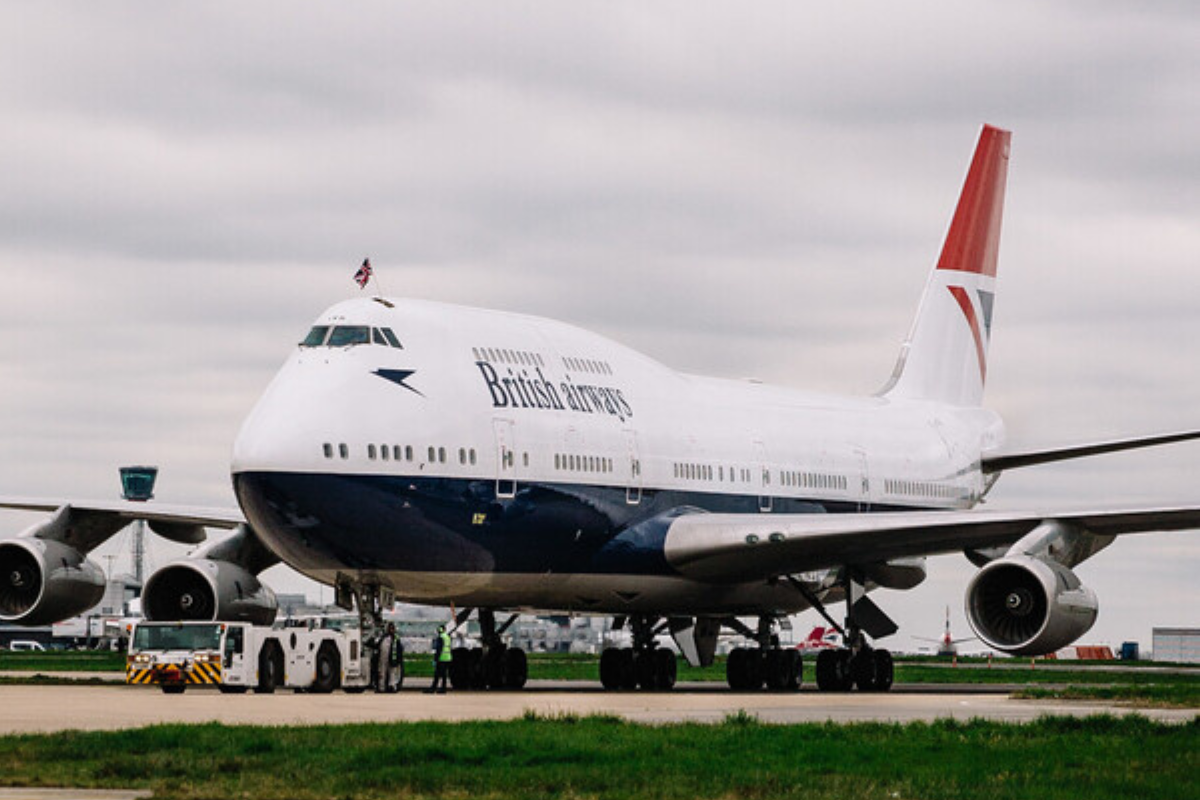
While some of us might tragically be old enough to remember the late 1980s (just about), it’s sometimes difficult to grasp just how much the world has changed in the last four decades – but then you go and read a British Airways training manual from 1986 and are reminded of just how much times have changed.
Under the premiership of Margaret Thatcher, this was a time when the United Kingdom was emerging from decades of decline. There was a new sense of optimism and money to be made. Women were now entering the workplace, not as secretaries but as powerful leaders ready to make deals.
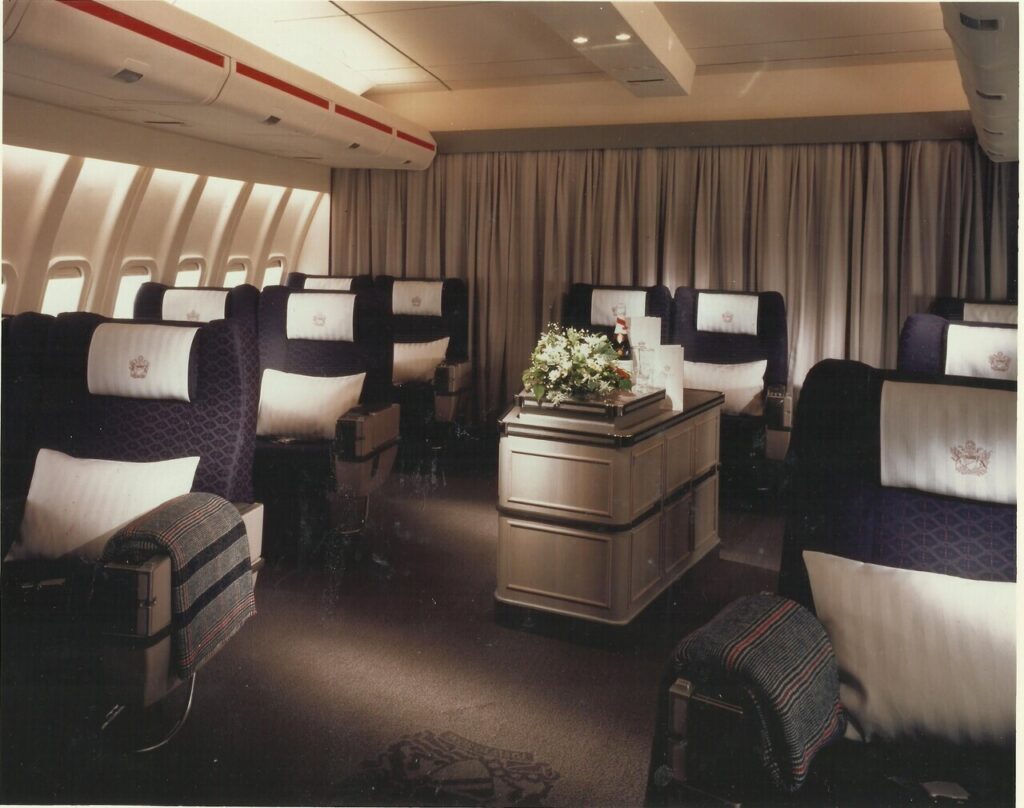
By 1986, the recession and strikes of Thatcher’s early years in office were in the past, and the Middle and Upper Classes had money to spend. And that meant that when it came to traveling overseas, only First Class would do.
British Airways was noticing a change in its passenger demographics and decided to share its findings with cabin crew in a service update that would, no doubt, leave Gen Z speechless.
“Another growing trend is the number of women flying First Class,” the update starts. “These women are not secretaries, wives, or mistresses. They are successful business people who have noticed that our female staff tend to look down at them and our male staff tend to look at them as either chat-upable or traveling with the chap next to them, not as individuals.”
The training manual politely suggests that cabin crew should “bear in mind” that a woman traveling in First Class is a successful business person and not a mistress.
BA service manual from 1986 contained some interesting advice for crew…
byu/Lazy-Internet-8025 inBritishAirways
While the attempt to address ingrained sexism was clearly the main target of this training update, it wasn’t just female passengers who were having a rough time at the hands of British Airways cabin crew.
The manual also claimed that British Airways crew “tend to treat some of our First Class passengers more like children than the senior adults that they were.”
Some things, perhaps, never change!
Sexism and misogyny in the workplace are thankfully becoming more and more rare, but it is perhaps an odd thing that the aviation industry has struggled to really shake off attitudes that would be considered totally inappropriate in any other sector.
Even many passengers cling to old-fashioned stereotypes of what airlines should be – especially when it comes to what cabin crew should look like (think young, female, and a face full of makeup).
Sadly, some airlines are still struggling to really challenge these stereotypes. As recently as late 2023, British Airways was forced into an embarrassing climbdown after it told female staff to wear white bras under sheer blouses they had been issued during a botched uniform rollout.
The new see-through uniform was pushed despite complaints that the old uniform was also semi-transparent – something that a top union official described as BA’s “sexualisation of the uniform.”
In recent years, airlines have made a more concerted push to address long-held and deeply ingrained gender stereotypes that run rampant through the industry, but data from the UK government shows there’s still a long way to go.
Like all big businesses in the UK, British Airways is required to submit ‘gender pay gap’ data, which measures the difference between the average hourly earnings of men and women, as a proportion of the average hourly earnings of men.
Nationally, the gender pay gap stood at 6.9% in April 2025, whereas the median gender pay gap at British Airways was 27% and the mean pay gap was a shocking 54%.
The same issue persists across UK-based airlines, with EasyJet reporting a gender pay gap of 23.5%, TUI Airways reporting a 45% pay gap and Ryanair’s pay gap was a jaw-dropping 57%.
The airline industry has long argued that it will take time to narrow the gender pay gap because female employers were, for so long, generally hired into lower-paying roles like cabin crew, while men were predominantly hired as well-paid pilots.
In its latest gender pay gap report, British Airways doubled down on this argument, admitting that transforming working demographics in its cabin crew and pilots workforces will “demand ongoing, long-term efforts.”


May I ask, did your highlighted image of this manual come from
My page @thespeedburd collection? If so, some credit would be nice…
Hi there, this was sourced from Reddit but if the original source is @thespeedburd collection then absolutely happy to credit accordingly!