



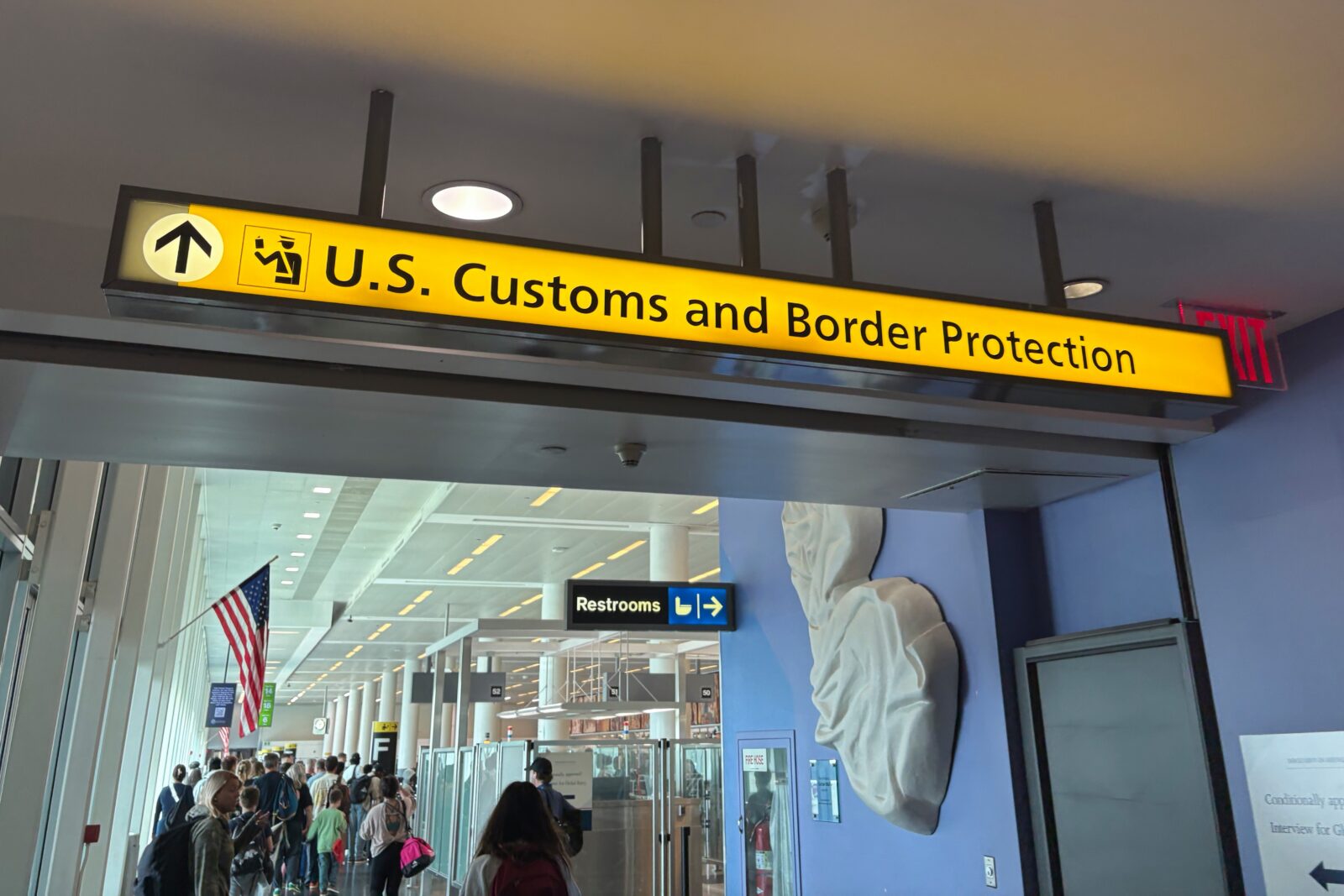
The largest airlines in the United States have published an open letter to the Trump administration, pleading with the White House not to follow through with a highly controversial and seemingly implausible plan to stop all international flights to so-called ‘Sanctuary Cities,’ hitting major airports like New York JFK, Los Angeles, San Francisco, Seattle, and Philadelphia.
The plan was first mooted by the new Department of Homeland Security (DHS) Secretary Markwayne Mullin in April, when he suggested during an interview on Fox News that he would pull Customs and Border Protection (CBP) officers from Sanctuary City airports.
Mullin’s comments were initially viewed as an idle threat designed to make headlines without any follow-through, but, since then, Kristi Noem’s successor has confirmed that DHS is actively working on plans to make the policy a reality.
In response, lawmakers, airlines, airports, and various other organizations across the aviation and travel industries are sounding the alarm and begging the Trump administration to call a halt to this plan.
“Any reduction in Customs and Border Protection operations at major U.S. gateway airports threatens to cause unnecessary chaos throughout the nation’s air transportation system,” warned a coalition of travel organizations on Friday, including Airlines for America, which represents the likes of American, Delta and United Airlines.
“International aviation networks are highly interconnected, and operational changes at a small number of gateway airports will quickly ripple across the country, negatively impacting travelers, cargo shipments, supply chains, and the communities that depend on those connections,” the open letter continued.
“We urge DHS to avoid actions that would create unnecessary operational and economic consequences for communities nationwide. As the United States prepares for growing international travel demand, DHS should avoid actions that would create unnecessary bottlenecks and economic consequences for communities across the country.”
There’s no legal definition of what constitutes a ‘Sanctuary City,’ although the term is often used by lawmakers to describe jurisdictions where local police and authorities limit how much they cooperate with federal immigration enforcement agencies like ICE.
Last year, the Department of Justice (DOJ), under the leadership of sacked former Attorney General Pam Bondi, published a list of 18 cities that it considered to fit this definition, which includes:
- Boston
- Chicago
- Denver
- Los Angeles
- New York
- Newark
- Philadelphia
- Seattle
- San Francisco
Pulling CBP from these jurisdictions would ground international flights at some of the biggest international gateway airports into and out of the United States, including Boston Logan, Chicago O’Hare, Denver International, Los Angeles, New York JFK, and Newark.
If Mullin’s comments were extended to the DOJ’s list of ‘sanctuary states,’ then international arrivals into San Diego, and Minneapolis-St. Paul would also be affected.
The potentially impacted airports processed approximately 132 million international passengers in 2024, as well as massive amounts of cargo that would also be affected by a CBP withdrawal.
Behind the scenes, airline officials don’t believe that the Trump administration will actually follow through with Mullin’s threats, although the mere suggestion of blocking flights to Sanctuary Cities is a big blow to United Airlines chief executive Scott Kirby, who has invested a lot into ingratiating himself with the White House.
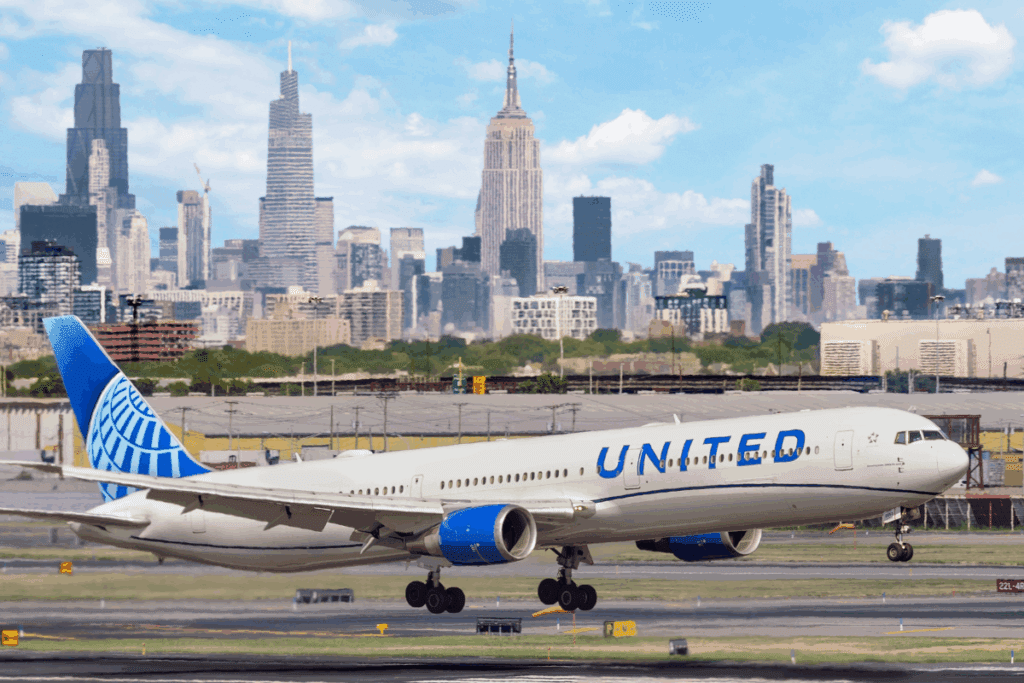
United’s biggest hubs are located in Sanctuary Cities, and the airline’s expanding global route network would be effectively grounded should Mullin remove CBP from airports like Chicago O’Hare, Denver, Newark, and San Francisco.


Isn’t ’unnecessary chaos’ basically the goal of this administration. I know the response uses this to foreshadow the problem it would become, however, seems to me the admin will see this as a validation of what it is trying to do (economy be damned!)