


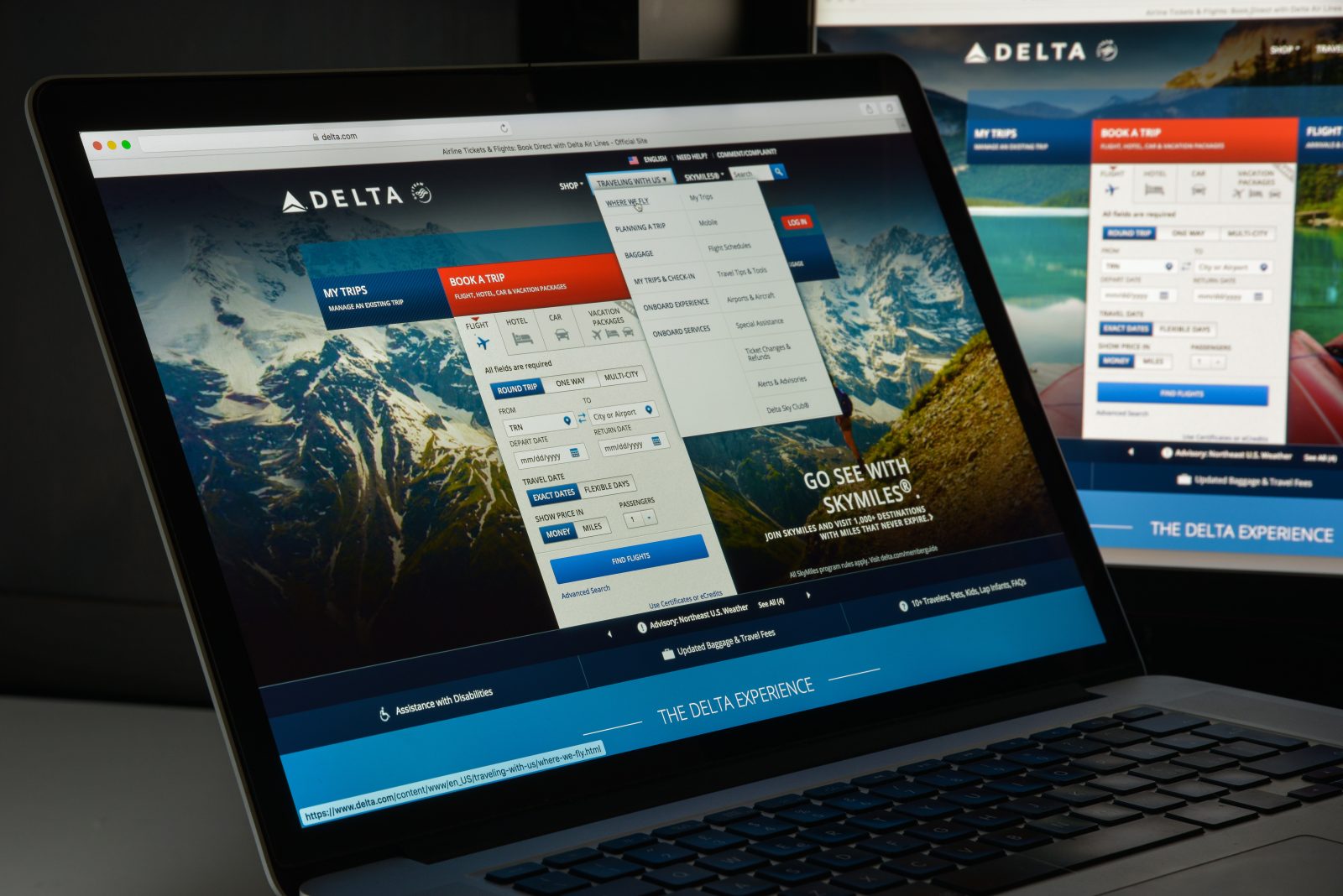
Airlines may soon be given far more freedom in how they advertise airfares after the Department of Transportation (DOT) proposed fully repealing an Obama-era rule that forces airlines to include a tax-inclusive airfare in advertisements and commercials.
The so-called ‘Full Fare Rule’ was introduced in 2011, and it was designed to prevent airlines from misleading consumers about the true cost of airfare by advertising cheaper flights that required multiple connections but which would then cost more than a non-stop flight when you added taxes and fees.
Airlines were also required to make the total price (including taxes) more prominent than any other components of the airfare, so that consumers weren’t confused about the price they may end up paying for a flight.
A group of U.S. airlines, including now-defunct ultra-low-cost carrier Spirit Airlines, challenged the ruling the following year, arguing that the DOT’s rulemaking was “arbitrary and capricious” and that there was no evidence that advertising airfares excluding taxes was deceptive.
The airlines tried to convince the US Appeals Court for the District of Columbia that the rule violated their First Amendment rights, but the legal challenge was thrown out.
Fast forward 13 years, and the Trump administration’s DOT is now reviewing whether the Full Fare Rule should be substantially changed or even scrapped altogether.
Explaining its rationale, the DOT said in a Notice of Proposed Rulemaking that the Supreme Court has taken a more stringent view on regulations that restrict commercial speech in recent years, and, as such, the legal challenge the airlines brought over a decade ago could succeed today.
The DOT is now proposing to allow airlines to advertise individual components of the airfare just as prominently as the total price.
A more extreme option that the DOT is considering is to fully repeal the Full Fare Rule altogether, allowing airlines to advertise the cheapest base fare, exclusive of taxes and any other fees.
If the DOT were to choose a full repeal, it would mark a major change in direction from just a few years ago, when the Biden administration’s DOT tried to force airlines to display all possible ancillary revenue fees alongside the base fare on price comparison websites.
Under Biden’s ‘War on Junk Fees,’ the DOT aimed to provide consumers with a clearer understanding of the total cost of their flight by allowing them to view common fees at the initial booking stage easily.
Airlines represented by the lobby group Airlines 4 America immediately challenged the rule and won a stay, as the lawsuit continued through the court system. In February, however, the DOT repealed the rule, saying that it violated the law when it relied upon certain studies to justify its action.


Commercial free speech is much more important than fairness or honesty toward customers.