


Frequent flyers who use an airplane like a sky-high office are in for a nasty shock as more and more airlines introduce new rules that will mean less time to be productive, all while the plane is still very much in the air.
On Saturday, it emerged that American Airlines would require flight attendants across its entire network to secure the cabin for landing earlier than ever, and that means that laptops have to be safely stowed away.
JetBlue doing same pic.twitter.com/rAoPW6Z4qK
— JonNYC (@xJonNYC) May 30, 2026
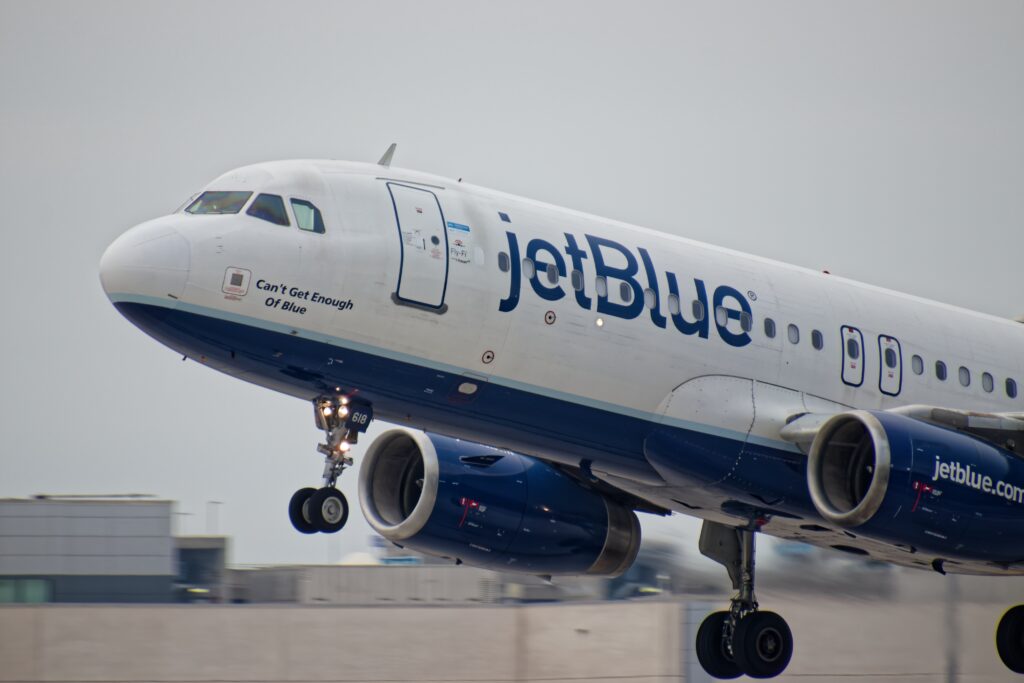
And it isn’t just American Airlines that will prepare the cabin for landing at a much higher altitude than it has in the past. Trusted aviation insider JonNYC on X also reveals that JetBlue is introducing similar rules very soon.
In the past, JetBlue separated the descent into two distinct phases: The first was the top of descent, which, as the name suggests, is when the airplane starts its initial descent for landing.
A little later in the descent, the pilots would tell the flight attendants to prepare the cabin for landing, and only at that point would passengers be required to stow their tray tables and shut their laptops in preparation for landing.
But from June 3, both American Airlines and JetBlue will start preparing the cabin sooner.
In effect, flight attendants will be required to complete passenger compliance checks at around 18,000 feet, whereas, in the past, these checks didn’t take place until the airplane had reached around 10,000 feet.
That might not sound like a lot, but the time it takes to reduce altitude this much can take between 10 and 15 minutes. In other words, that 10 to 15 minutes less work time per flight.
While the rules vary by airline and, sometimes, from one flight attendant to another, the general regulations look like this:
- Laptop computers have to be closed and stowed.
- iPads can continue to be used, but keyboards have to be removed.
- Tray tables have to be stowed.
- Seats returned to the upright position.
On longer flights, this isn’t necessarily so much of an issue, but on shorter legs where every minute of work time counts, frequent flyers and other workaholics should expect to be interrupted not long after they’ve fired up their Thinkpad.
There is, however, a very good reason for this change.
Airlines and flight attendants are discovering the hard way that turbulence during the descent phase is leading to a nasty increase in injuries. In fact, research by the National Transportation Safety Board (NTSB) revealed that 65% of turbulence-related accidents during the descent phase occurred below 20,000 feet.
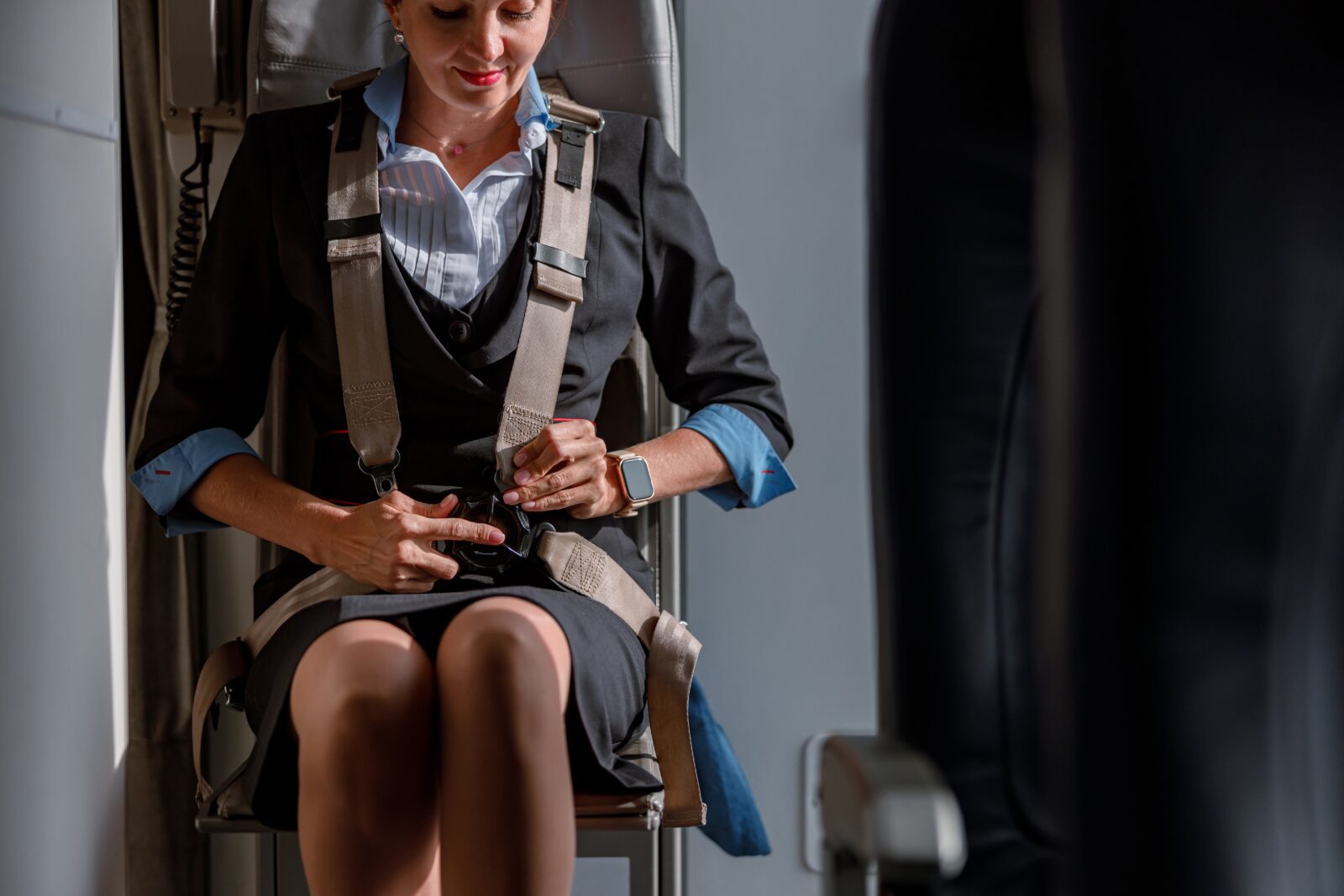
By securing the cabin at a higher altitude and getting flight attendants strapped into their jumpseats sooner, airlines are hoping to reduce the number of turbulence-related injuries.
This change isn’t necessarily new at every airline. Southwest Airlines introduced a very similar policy two years ago, while Delta Air Lines also updated its descent procedures so that flight attendants are seated by the 18,000 feet mark.
In other words, securing the cabin at a higher altitude is fast becoming the de facto standard for U.S. carriers.
Internationally, rules vary greatly, and policies can very much differ depending on the weather conditions in which airlines operate.
Cabin crew at the Spanish flag carrier Iberia, for example, are famous for not strapping themselves into their jumpseats until they hear the gears of the aircraft lower. For context, this can be as low as 2,000 feet.
How do the policies compare?
- American Airlines: From June 3, flight attendants will start to prepare the cabin for landing once the plane reaches 18,000 feet. They will then take their seats as soon as possible and no later than 10,000 feet.
- Delta Air Lines: Last year, flight attendants instructed flight attendants to strap themselves into their jumpseats at 18,000 feet. Cabin preparations take place shortly before this.
- JetBlue: From June 3, JetBlue will combine its two descent phases into a single event, with flight attendants also taking their seats at around the 18,000 feet mark.
- Southwest Airlines: In November 2024, Southwest ordered flight attendants to start securing the cabin at 18,000 feet. Previously, this didn’t take place until 10,000 feet.