





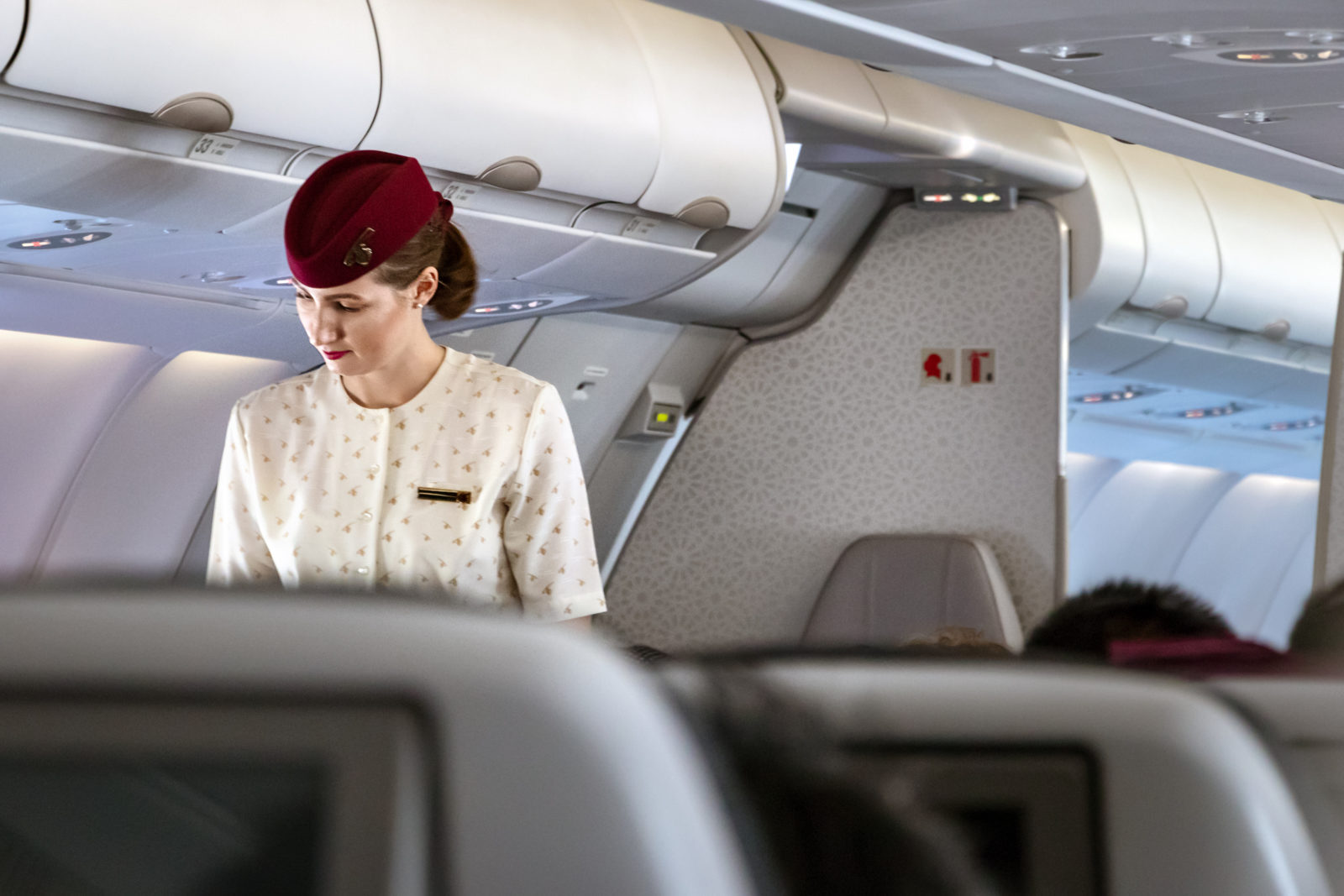
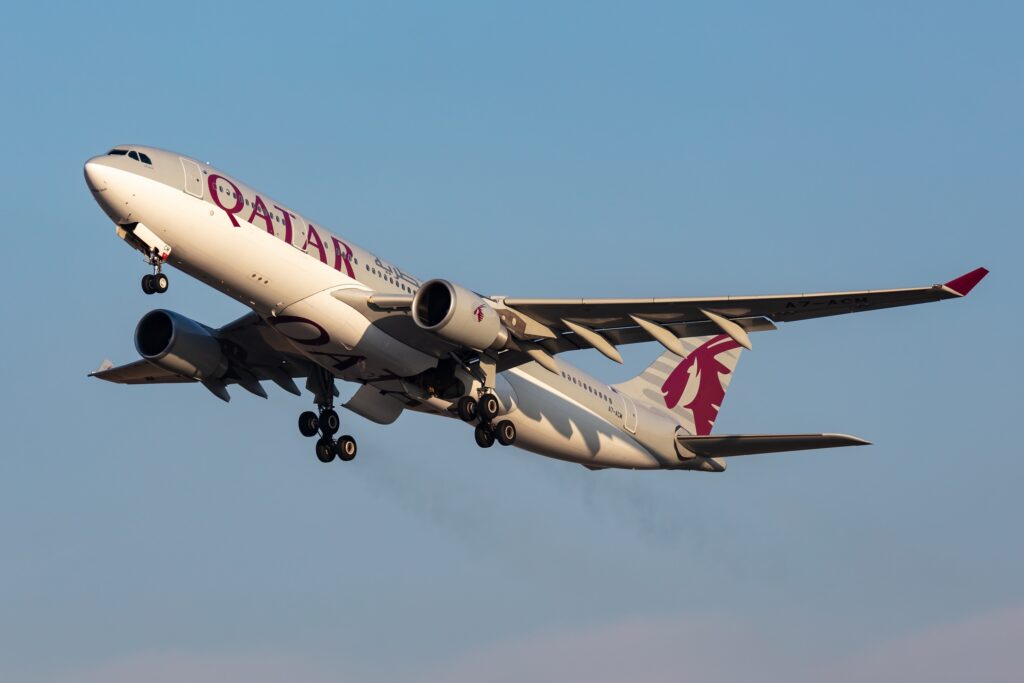
Flight attendants at Qatar Airways are reportedly taking part in a historic mass ‘sickout’ as frustration with an annual bonus, or lack thereof, reaches a boiling point.
While employment laws in many countries generally prohibit mass sickouts, it’s important to understand just how seriously such action could be viewed in an authoritarian country such as Qatar.
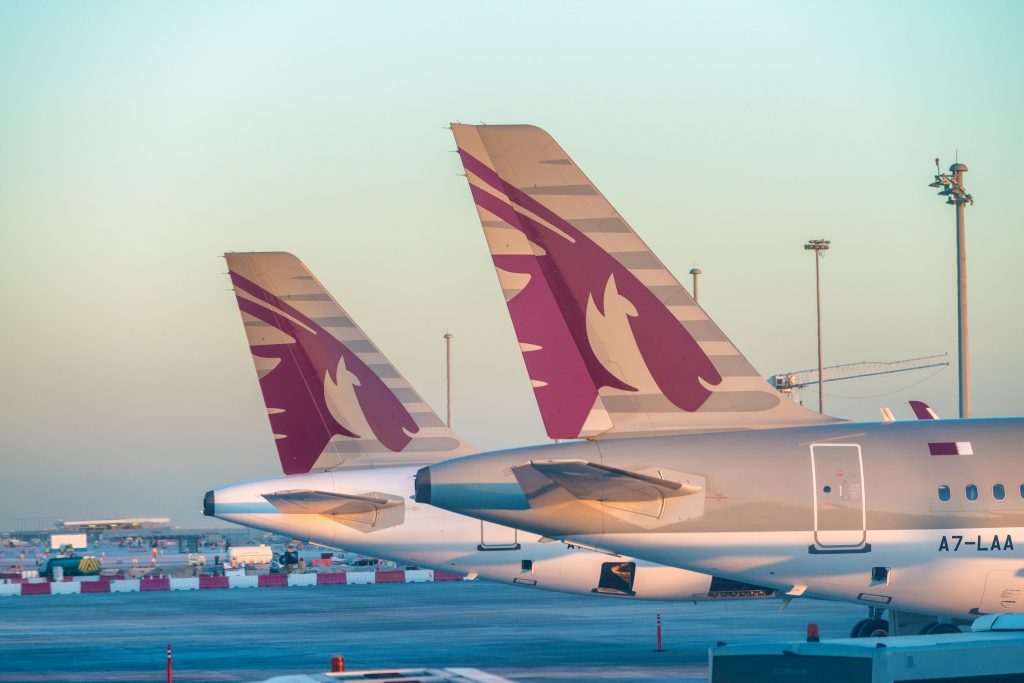
Employee unions are banned in Qatar, strike action is illegal, and protests of any kind are strictly prohibited. It wasn’t until 2018 that Qatar ended its controversial Kafala system, in which expat workers had to first get the permission of their employer before leaving the country.
While some employment reforms have been implemented in recent years, the landscape for foreign workers in Qatar is very different from what anyone in Europe, Canada, or the United States is used to.
Anger amongst workers at Qatar Airways has, however, been growing since late May, when the state-owned carrier announced that despite posting an annual profit of nearly nearly $2 billion, it would not be offering staff across the business a profit-sharing bonus.
The reason, Qatar Airways explained in an internal memo, is that the airline is still massively impacted by the crisis in the Persian Gulf, and, after grounding flights for several weeks at the end of February, it has had to prioritize long-term stability by withholding bonus payments.
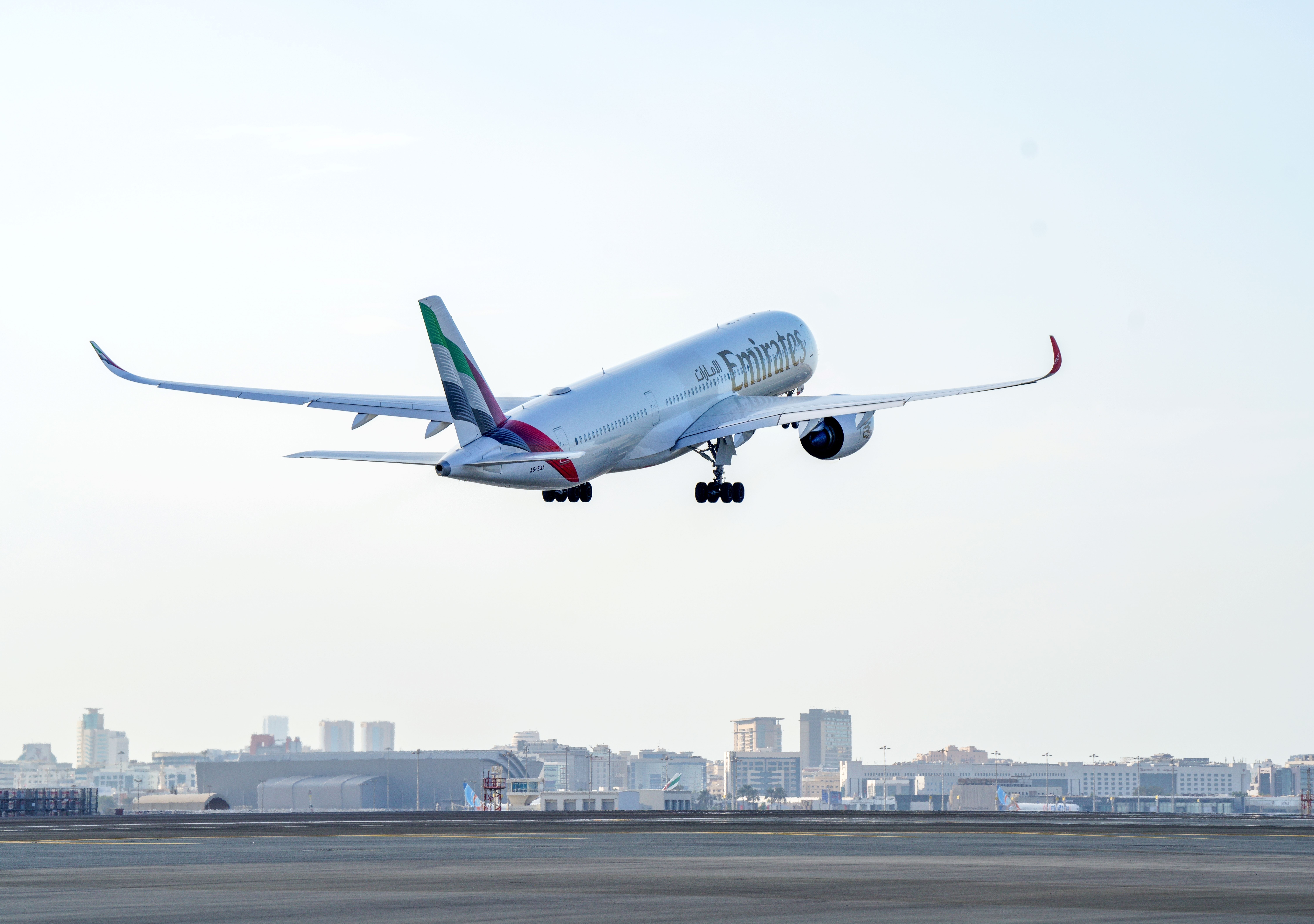
In contrast, Emirates in nearby Dubai paid staff a bonus equivalent to around 20 weeks of basic pay, despite also being significantly hit by the fallout of the joint U.S. and Israeli military campaign on Iran.
Qatar Airways is still rebuilding its route network and schedule and is currently operating around 55% of its pre-war schedule. As a result, cabin crew also find themselves in a situation where they are earning less money because wages are partly made up of flying allowances and layover per diems.
Working conditions for cabin crew at Qatar Airways have long been a controversial issue. For many years, the then chief executive, Akbar Al Baker, led the airline with an iron fist, requiring cabin crew to adhere to strict curfews and banning them from social media.
Qatar Airways attracted intense scrutiny from human rights organizations over its employment practices, but that all seemed to change in 2023 when Al Baker was suddenly and unexpectedly replaced by Badr Al Meer, who promised a new era in which a “culture of trust and empowerment will be the building blocks of our shared success.”
The nighttime curfew was softened, and cabin crew were encouraged to post photos and videos of themselves on social media.
It appeared that there was a genuine change in the culture at Qatar Airways, but Al Meer’s tenure didn’t last long. In December 2025, he was suddenly replaced by Hamad Ali Al-Khater, former Chief Operating Officer of Hamad International Airport.
No reason for the change has ever been given.
Al-Khater remains a relative unknown, and it’s not clear whether he was brought in to continue Al Meer’s welfare reforms or, perhaps even, stop them in their tracks.
According to the popular and highly respected cabin crew Facebook page, A Fly Guy’s Cabin Crew Lounge, cabin crew at Qatar Airways are taking part in their first-ever sickout in protest at working conditions and the bonus situation.
It remains unclear what action, if any, cabin crew face for taking part in this illegal work action.
Data supplied by Flight Radar 24 shows that around 130 flights have been delayed departing Doha Hamad International Airport on Monday, but there have been no cancellations. The Flighty flight tracking app also suggests ‘minor issues’ for departing flights at Doha Hamad.
Qatar Airways has been contacted for comment.