



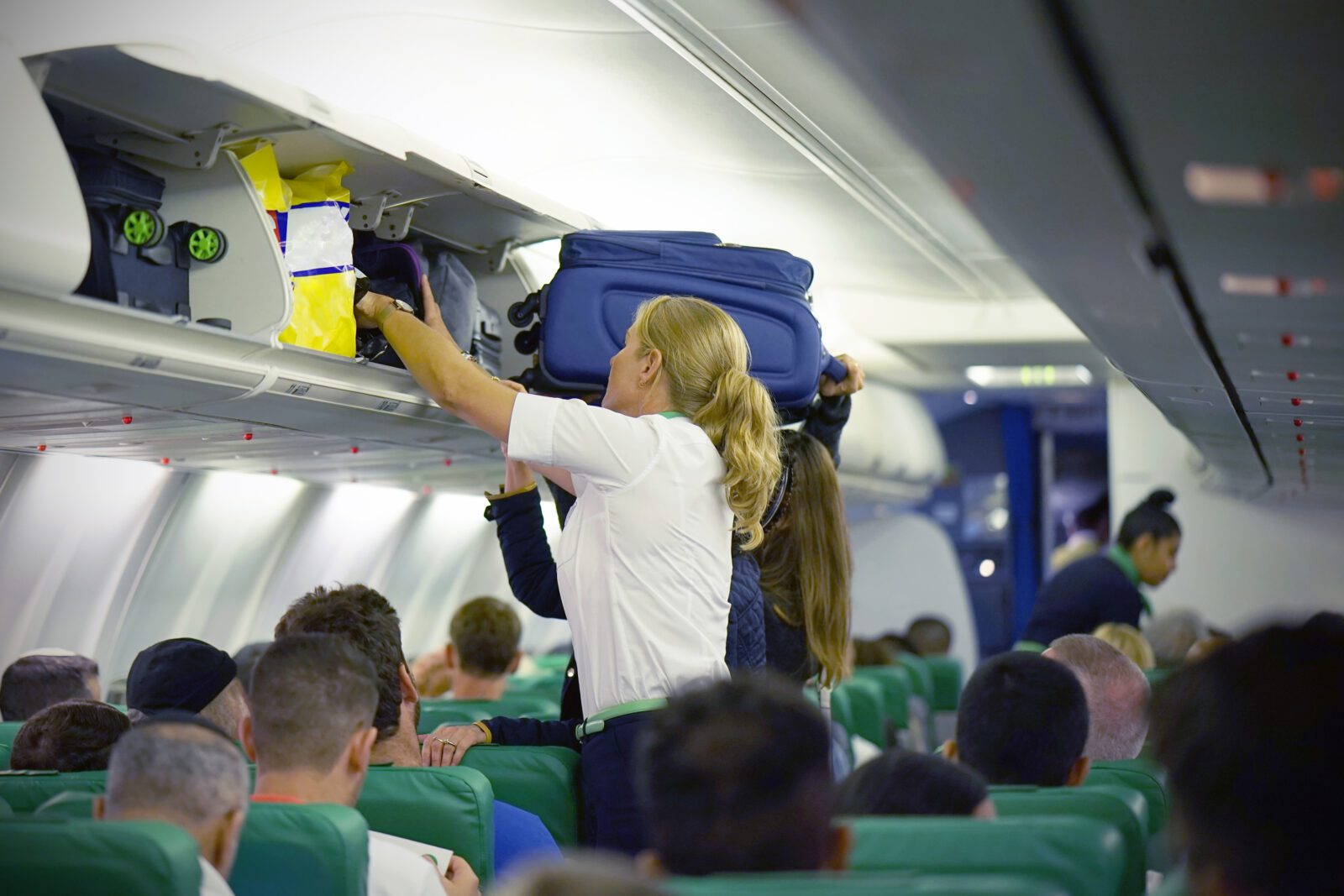
The flight attendants are primarily here for your safety: Any regular traveler has no doubt heard this line many times before, but it’s a comment that can attract exaggerated eye rolls because it is, on occasion, used to justify bad and sometimes even ugly service.
But on International Flight Attendant Appreciation Day, marked every year on May 31, it’s worth taking a moment to reflect on why flight attendants want you to know that, yes, really, their primary purpose is for safety and security.
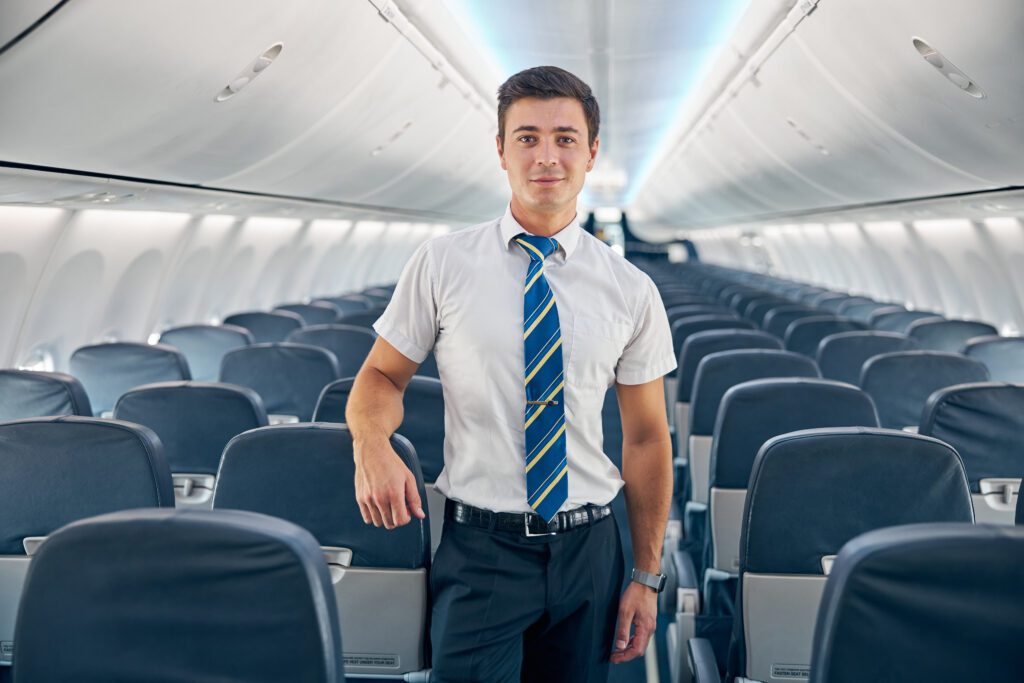
The role of a flight attendant has developed massively over the years. In the early days of commercial aviation, cabin attendants were put on board primarily to serve passengers, and as the decades stretched on, airlines started to glorify the flight attendant career.
For years, airlines allowed flight attendants to be objectified – a deliberate marketing strategy to attract the big-spending businessmen of yesteryear. Even to this day, most people assume that being a flight attendant is an aspirational and glamorous career.
But in the aviation industry’s quest to become the safest mode of transport in the world, regulators decided that cabin crew couldn’t just be “glorified sky waiters” like you’ll sometimes hear them described.
Safety experts learned from real-life experience of what can and does go wrong at 35,000 feet: Onboard fires, unruly passengers, life-threatening medical incidents, and emergency landings.
If you wanted to become a flight attendant, it was no longer good enough just to be beautiful and glamorous: You were signing up to become a firefighter, a police officer, a paramedic, and a first responder able to take over the most challenging of situations and lead hundreds of passengers to safety.
These skills aren’t just learnt overnight. To become a flight attendant, new recruits have to go through weeks of intense training, learning how to use specalist fire fighting equipment, practicting self defense and restraint, learning about myriad medical conditions and how to treat them.
Then, of course, there’s the evacuation and life-saving training that flight attendants have, time and time again, been called upon to utilize in terrifying real-world situations.
Flight attendants know that when an emergency happens on board a plane, there is no one else they can call to sort out the mess. It is their training and composure that will save the day, and they have to be prepared for the most unlikely of scenarios.
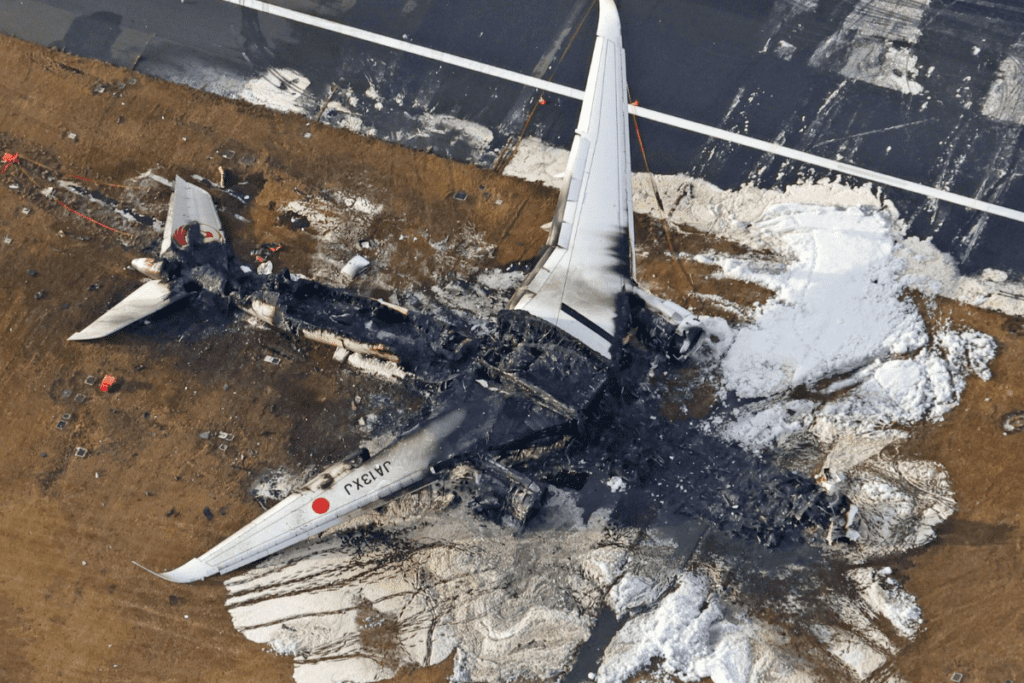
A perfect example of this is the way in which flight attendants managed to safely evacuate all 367 passengers from a burning Japan Airlines Airbus A350 after it crashed into a regional jet on the runway at Tokyo Haneda Airport on January 2, 2024.
As fire licked the windows of the burning aircraft, the flight attendants remained calm under the most intense pressure, even while their training was tested to the limit.
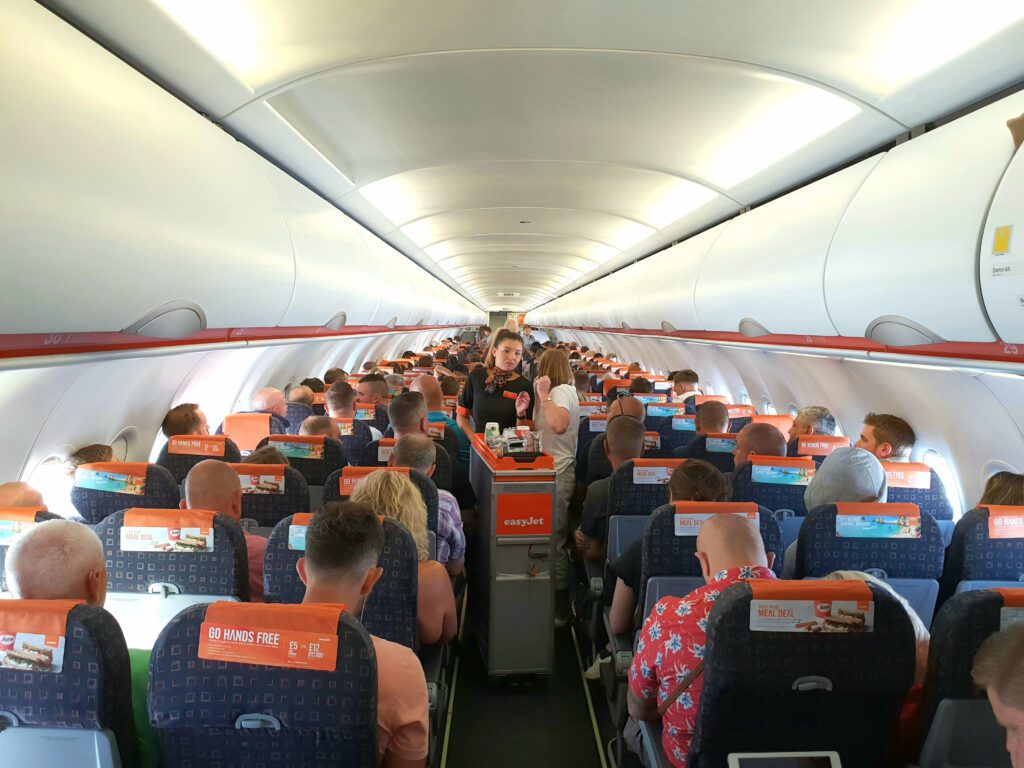
Everything they had been taught didn’t quite work as it should have on the day. The public address and interphone system failed, the evacuation alarm didn’t work, emergency escape slides didn’t deploy as they were designed to do.
The flight attendants did not, however, miss a beat as they worked around these extreme challenges, remaining calm and steadfast in their commitment to evacuating everyone safely from the burning wreckage.
The real skill of a top-tier flight attendant, however, is to act in a way that belies just how prepared they are for the very worst of emergencies.
When you board a plane and are greeted by a smiling and immaculately turned-out flight attendant, it’s easy for passengers to forget that this crew member could not only be called upon to save their lives, but is also well-trained to do… all while battling jetlag, early starts, late finishes, and hiding the emotional trauma that everyone deals with at some point in their life.
Flight attendants aren’t telling you that they are on board primarily here for your safety to shirk their other responsibilities. The vast majority of flight attendants are passionate about hospitality and really want the people they serve to have a great experience.
But the duality of their job is the point: A paramedic doesn’t make you a cup of coffee, a firefighter doesn’t serve you chicken or beef, and a police officer isn’t touching up their makeup at 3 am before serving 300 passengers a hot breakfast.
This is why International Flight Attendant Appreciation Day exists: A way to acknowledge the fact that cabin crew aren’t just Sky Waiters – they are rigorously trained safety professionals who will put their lives in danger to save yours.