



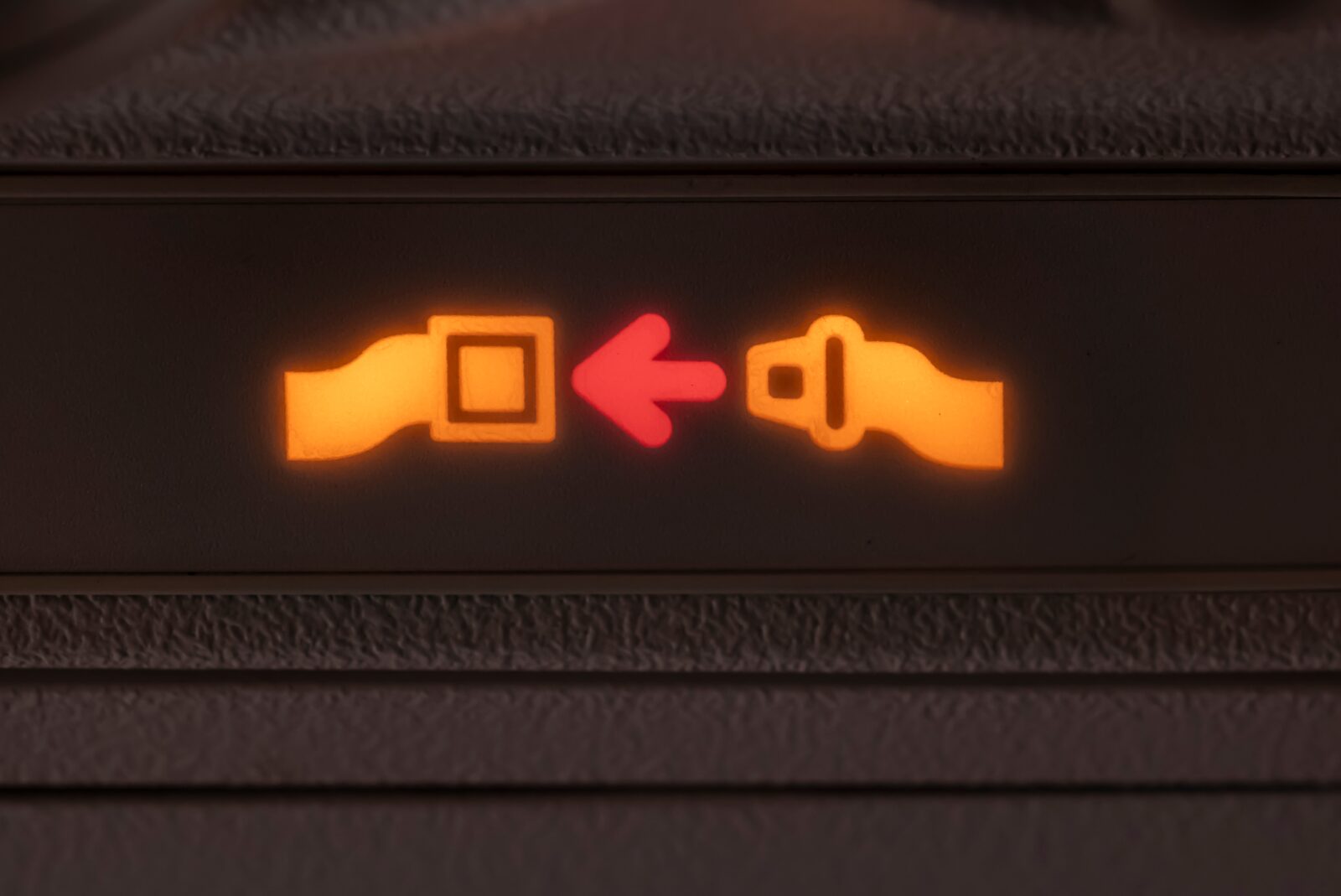
If you’ve ever been on a plane and the seatbelt sign has been switched on despite the fact that the aircraft is flying as smoothly as a hot knife through butter, then there’s probably one of two reasons that you’re being confined to your seat for seemingly no reason:
- There is actually forecast turbulence on the weather charts used by the pilots, but it just hasn’t materialised.
- The flight attendants have asked for the seatbelt signs to be switched on because the passengers are ‘annoying’ them.
Yes, really. The second reason is, at least partially, true. As revealed by the incredibly popular flight attendant Facebook page, A Fly Guy’s Cabin Crew Lounge, sometimes one annoying passenger is all it takes for the seatbelt sign to be switched on for everyone.
In a now viral post, Fly Guy founder Jay wrote: “Here’s a fun travel fact: Flight attendants sometimes call and ask the pilots to put on the seatbelt sign cause they want an annoying passenger to leave them alone…”
“So if you spent any time disturbing crew during a break in the galley or doing your stretches in their space, you might have inspired a seatbelt sign in your honor.”
The post was then picked up by Gary Leff, who writes the excellent View from the Wing blog, suggesting that this behavior could be evidence of flight attendants “scheming to avoid dealing with customers.”
While Jay’s post was humorous, I can’t help but think that he has deliberately simplified the reason why flight attendants will occasionally ask the pilots to switch on the fasten seatbelt signs when there’s no turbulence.
The real reason is, and I know some people will find this hard to believe, down to safety. Let me explain…
Flight attendants, by and large, don’t have any issue with passengers stretching their legs or coming to the galley for a chat, or to put in a service request in person. But problems arise when passengers start congregating in galley areas and by emergency exit doors en masse.
At the same time, some passengers will start monopolising the flight attendant’s time, turning the galley into a sports bar, where they think the flight attendant is their personal bar server.
Suddenly, flight attendants find themselves in a position where they are trapped in the galley, repeatedly serving the same two or three passengers, unable to leave because of a sea of passengers standing by the doors.
All other flight attendant duties are suddenly put on hold, and, yes, this does pose a safety issue. Crew members are required to regularly monitor the cabin, checking on passenger welfare, checking the lavatories, and ensuring that safety regulations are being complied with… all the more important given the troubling rise in on-board fires caused by overheating electronic devices.
At the same time, flight attendants have to assess whether passengers would be harmed if there were sudden turbulence or a decompression. The latter is a particular issue, as there are very limited oxygen masks in the galley areas, and these are meant to be for the flight attendants to use.
When passenger crowding gets to the point that it is seriously inhibiting the flight attendants from carrying out their duties, then an assessment has to be made as to whether this is a temporary issue that will soon pass or whether more drastic action needs to be taken… such as requesting the seatbelt signs be switched on.
It’s probably worth mentioning that flight attendants can’t switch on the seatbelt signs themselves. This is only possible from the cockpit, and the commander has the final say on whether the signs are switched on in order to manage passenger behavior in the cabin.
Yes, it might seem sneaky, but when the commander has decided to switch on the seatbelt signs for a safety-related issue, that constitutes a lawful order which passengers must comply with.
And yes, airlines do know that this happens, and in most cases are generally supportive if it is done when safety could otherwise be compromised.