



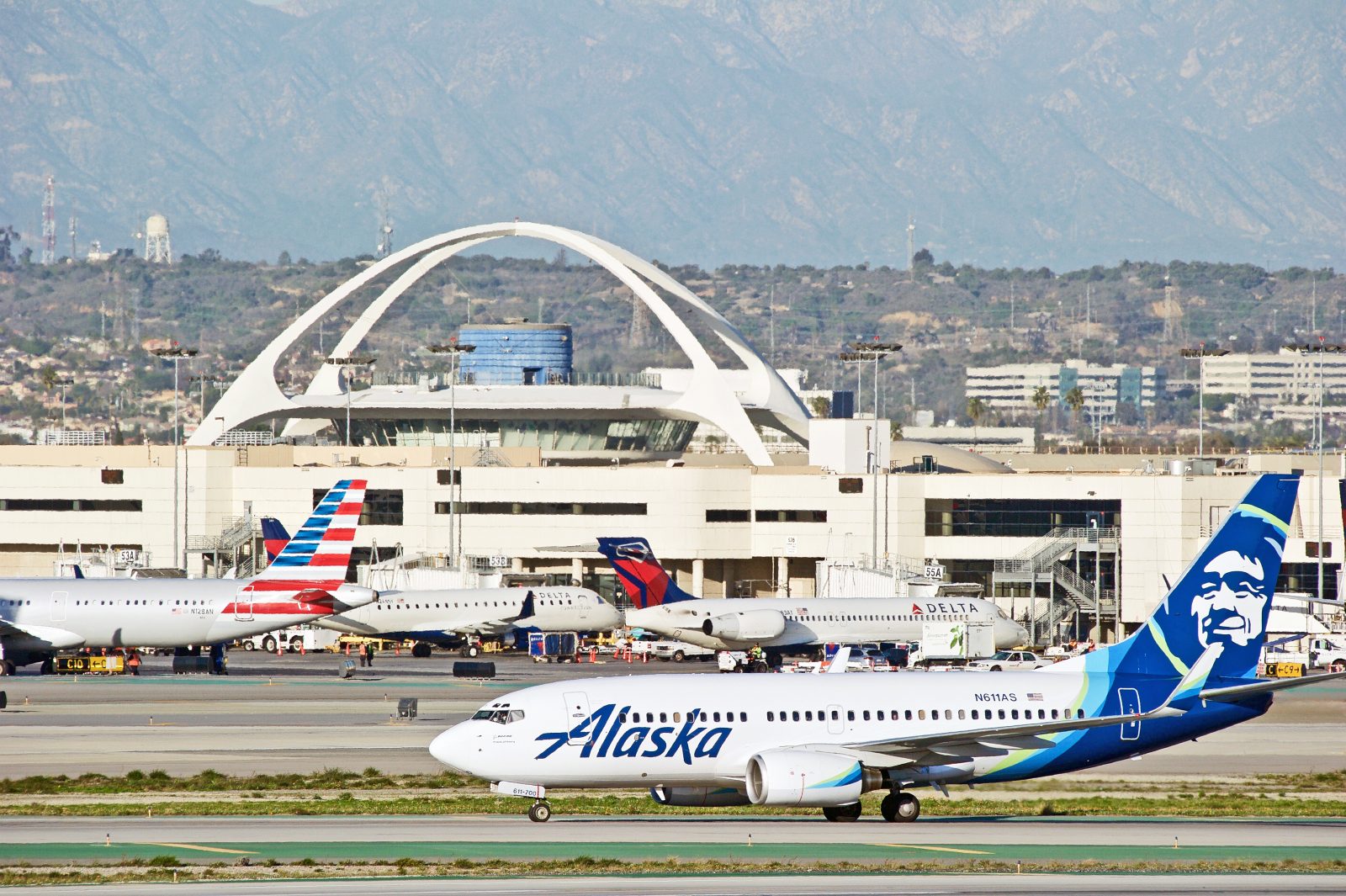
American Airlines reportedly touted the possibility of a merger with Alaska Airlines, but after initial talks failed to take off, the embattled Texas-based carrier settled for pursuing revenue-sharing opportunities by including Alaska in its existing joint venture deal with other oneworld alliance airlines.
The news emerged just days after American Airlines rejected the notion of a possible acquisition by United Airlines after chief executive Scott Kirby allegedly approached the Trump administration with the idea.
While the board of directors of American Airlines closed the door to any possibility of a merger with United, the carrier did concede that “changes in the broader airline marketplace may be necessary.”
There is a growing sense within the U.S. aviation industry that, given market conditions, surging jet fuel prices, floundering low-cost rivals, and a free-market-oriented White House, now is the time for further airline consolidation.
Sources cited by Bloomberg claim that American Airlines is looking to include the Alaska Airlines Group (which includes Hawaiian Airlines) in its transatlantic joint venture with British Airways and Iberia, as well as its Pacific joint venture with Japan Airlines.
Joint venture deals allow the airlines to closely coordinate schedules, code-share on routes, and feed domestic passengers onto one another’s long-haul international flights, while sharing revenue.
American Airlines would win by feeding more passengers from its extensive domestic network, and building its presence on the West Coast, while Alaska Airlines would achieve deeper market penetration as it attempts to build its own long-haul network.
United Airlines is currently in a much stronger financial position than American Airlines, putting the carrier at a disadvantage as it attempts to revamp its business strategy and refocus on premium travelers.
Last week, American Airlines came out the victor in a battle over capacity at Chicago O’Hare, where United was planning to flood the airport with flights over the summer period to win more gates and effectively push its rival out.
Following fractious talks with the Federal Aviation Administration, capacity curbs have been put in place at O’Hare over the summer months, that will force United to cut hundreds of planned flights at peak periods.
In contrast, American Airlines will only have to cut a few dozen planned flights.
Gate allocation at O’Hare is based on how many flights an airline has operated in the past year, so American Airlines should be able to acquire more gates, allowing it to better compete with United in Chicago.


I think Alaska’s proven, capable management team would be a great idea to take over the combined entity from the inept bumblers at AA who can’t seem to figure out what they want to be or do.