



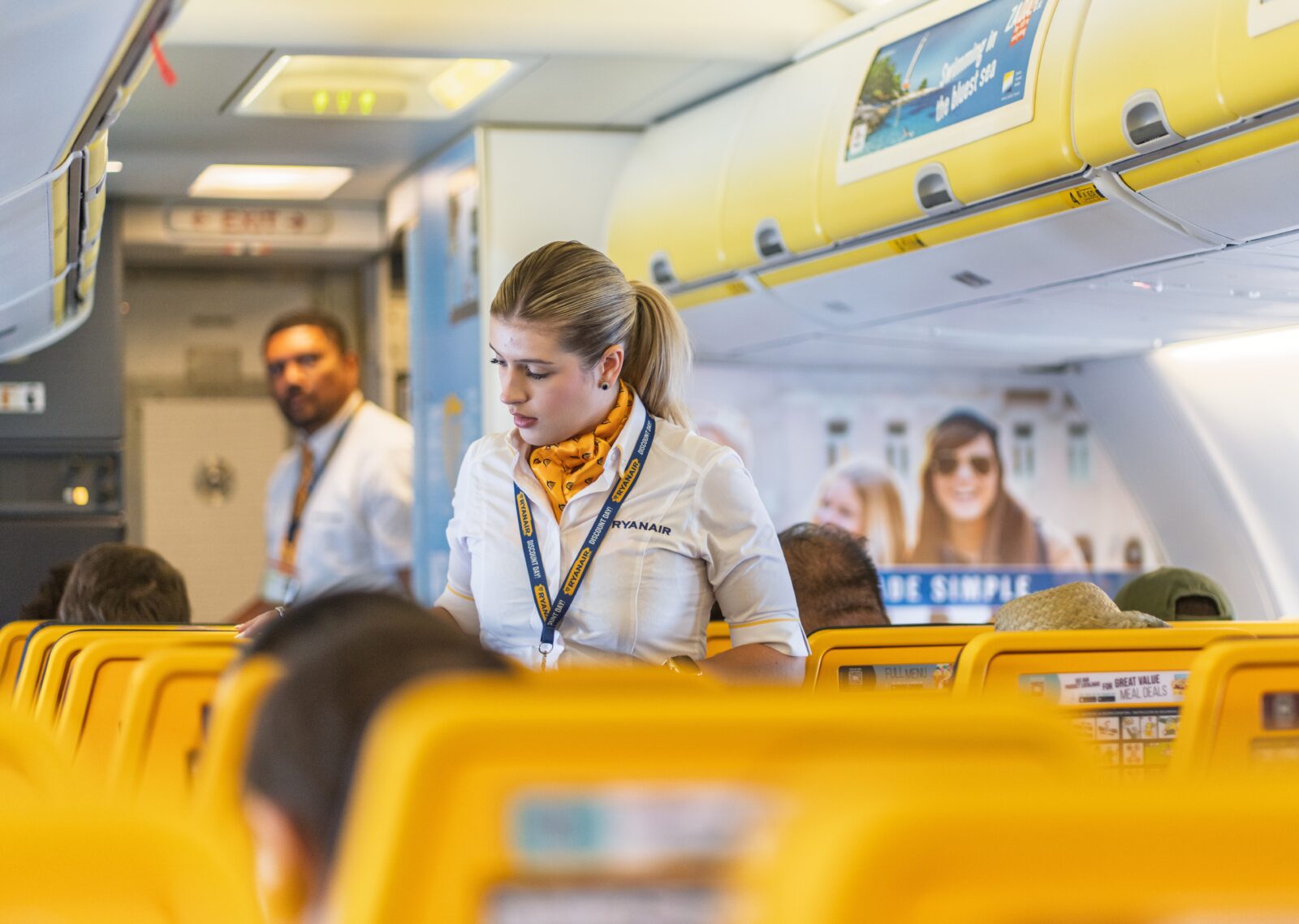
Ryanair has won a €4.2 million (US $4.6 million) appeal in a long-running dispute with Italy’s competition authority over flight cancellations during the COVID-19 pandemic.
On Wednesday, Italy’s highest court, the Council of State, overturned a fine by the country’s competition watchdog – the Autorità Garante della Concorrenza e del Mercato (AGCM).
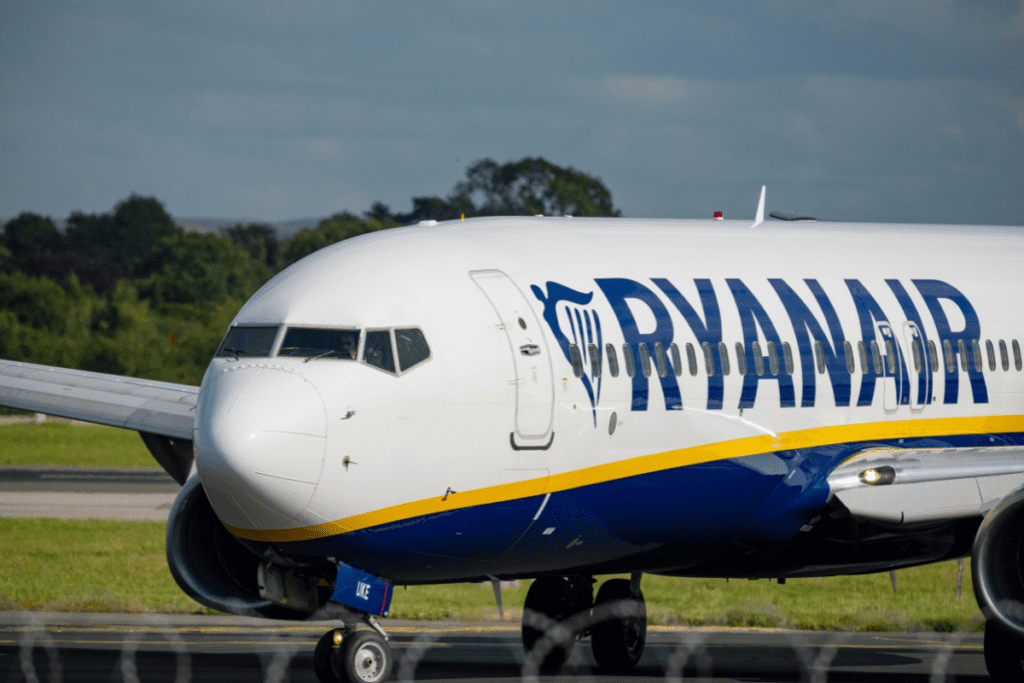
In its judgment, the Council of State found that competition regulators had discriminated against Ryanair by refusing to accept commitments it made towards pandemic-induced flight cancellations, while accepting similar commitments from other airlines like the now-defunct flag carrier, Alitalia, and Spain’s Vueling.
In its ruling, the judges said that regulators had exercised their powers to fine Ryanair “in a manner inconsistent with the principles of coherence, reasonableness and non‑discrimination”.
Ryanair has had a difficult relationship with the AGCM, and the airline is currently appealing a massive €256 million (US $300 million) fine that the regulator imposed on it for what was described as its “abusive strategy” towards travel agencies in Italy.
Following a year-long investigation into Ryanair’s so-called ‘direct distribution’ model, in which it prioritises selling tickets directly to passengers rather than through travel agents, the AGCM concluded that the airline was abusing its dominant position and blocking travel agents from accessing its fares.
Ryanair argued that it took action to block some travel agents from accessing its inventory because some online marketplaces were adding on additional fees and surcharges.
In order to access Ryanair’s ticket inventory, travel agents had to promise not to bolt on additional fees and ‘scam’ charges. In order to avoid being overcharged, Ryanair urged passengers to book directly through its own website. At the same time, Ryanair tried to stop online travel agencies from accessing its data by using ‘screen scraping’ technology.
Several online travel agencies attempted to sue Ryanair in an Italian court for restricting access to its fares, arguing that the carrier was abusing its dominant position, but the Milan Court of Appeal dismissed the case, ruling that Ryanair’s direct sales policy was “reasonable” and had resulted in lower fares for Italian consumers.
Despite the ruling in the Milan court case, the AGCM still imposed the massive fine on Ryanair.
“Today’s binding ruling by the Council of State raises serious questions about the AGCM’s impartiality and its treatment of Ryanair,” commented Ryanair chief executive Michael O’Leary on Wednesday.
“The Court ruled that the AGCM discriminated against Ryanair by applying different standards than it did to other airlines in equivalent cases, which is in clear breach of the basic principles of justice.”
O’Leary added: “These findings are deeply damaging to the AGCM’s reputation, and give clear context to the AGCM’s bizarre Dec 2025 €256m fine for our direct distribution policy.”
“We call on Prime Minister Giorgia Meloni to urgently reform the AGCM to ensure it acts fairly and in the best interest of consumers, rather than unfairly targeting Ryanair with baseless claims and unlawful fines.”