



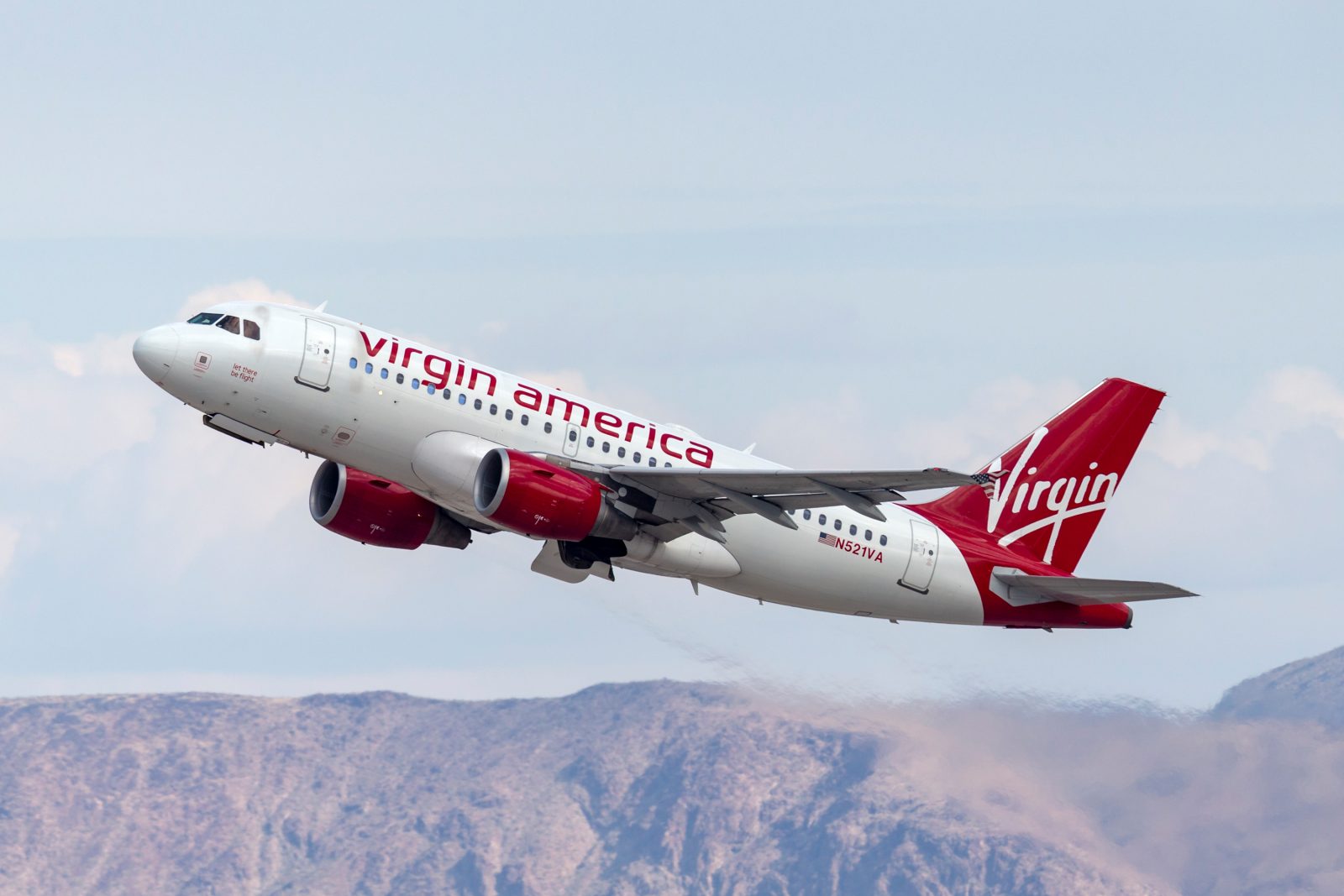
Alaska Airlines has won a legal fight to subpoena Delta Air Lines as it attempts to get hold of sensitive business documents that might help it prove that Richard Branson’s Virgin empire should pay it tens of millions of dollars in damages in an ongoing branding dispute.
While Alaska Airlines isn’t suing Delta Air Lines for damages as part of this dispute, it does want to get its hands on highly sensitive deposition testimony, documents, and communications between Delta and its transatlantic joint venture partner Virgin Atlantic.
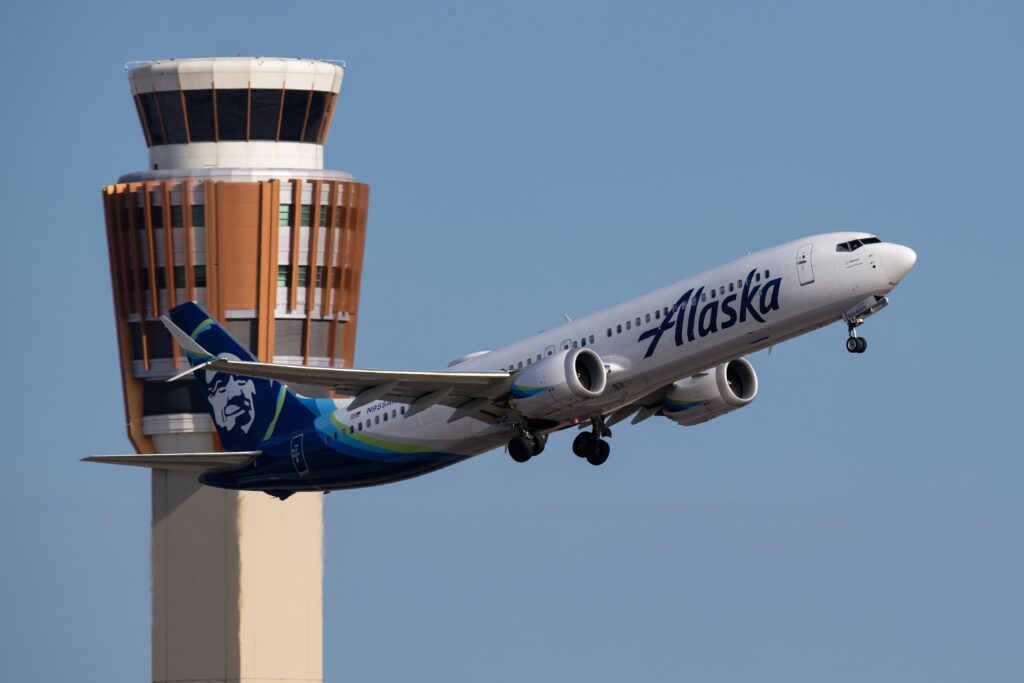
On October 30, an Atlanta district court approved the application of Alaska Airlines to serve a subpoena on its rival, Delta, in what Alaska’s attorneys hope will unearth valuable evidence that will help win a messy legal battle taking place in the United Kingdom.
The origin of this legal drama dates back to 2014, when Alaska Airlines acquired Virgin America in a multi-million-dollar deal that required Alaska to continue paying royalties to Branson’s Virgin Group for use of the Virgin trademark and logo for years to come.
Alaska Airlines initially intended and promised to run Virgin America as its own, standalone business, and to retain the iconic branding that it had paid so much to use.
But just two years later, Alaska Airlines changed its mind. Virgin America would be shut down as its own airline, and its planes, routes, employees, and everything else would move over to Alaska Airlines.
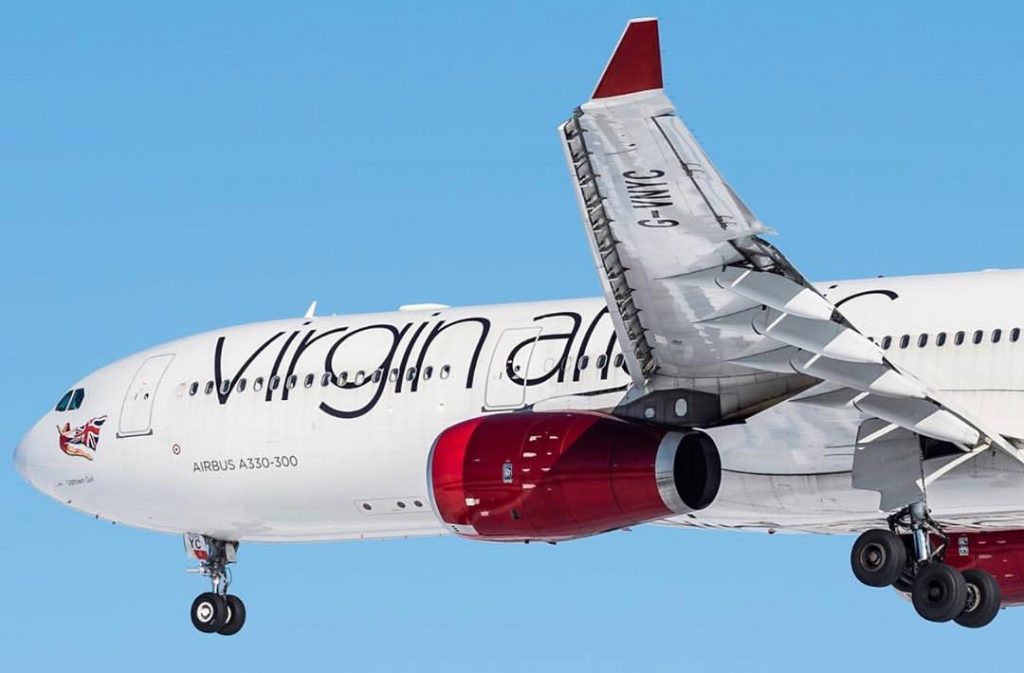
On May 30, 2019, the transition was complete, and Virgin America ceased to exist. At this point, it was the opinion of Alaska Airlines that it no longer had to pay royalties for a brand that it was no longer using.
The Virgin Group, however, disagreed, and the dispute quickly found itself in a British courtroom. Virgin argued that Alaska Airlines had agreed to pay a minimum annual royalty of $10 million for use of its brand, whether it used it or not.
Despite years of legal wrangling and several appeals, Alaska Airlines has consistently failed to convince the British courts that it shouldn’t be forced to pay the minimum royalties.
Alaska’s legal avenues to challenge the ruling are limited, but now, Alaska’s attorneys are trying a different approach.
During litigation proceedings for the royalties dispute, Alaska’s legal team discovered that Virgin Atlantic was using Virgin branding to market and sell Delta’s US domestic flights to members of its own ‘Flying Club’ frequent flyer program.
These weren’t codeshare services that would carry the Virgin Atlantic logo, but standalone Delta flights that could be booked with Virgin loyalty points.
Alaska Airlines believes this is a clear breach of the agreement it reached with the Virgin Group for exclusive rights to the Virgin brand for domestic airline services in the United States.
Effectively, Alaska Airlines is arguing that Virgin has terminated the agreement with it and, as such, it should now pay Alaska damages. The issue is whether Alaska can get enough evidence to back up these claims, and it looks as if it thinks Delta might be the key to its success in court.
“Through its loyalty program with Delta Air Lines, Virgin Group has repeatedly infringed upon Alaska’s exclusive right to use the Virgin trademark in the U.S,” slammed a spokesperson for Alaska Airlines.
“We are pleased that the Court has granted our request to obtain discovery from Delta for use in our U.K. lawsuit against Virgin for breaching our trademark license agreement.”
The statement added: “his discovery will provide additional evidence of Virgin’s scheme and will help illustrate how Virgin’s conduct benefited both Virgin and Delta at Alaska’s expense and in violation of the trademark license agreement.”
While Delta isn’t the target of Alaska’s ongoing legal battle, the airline doesn’t dispute that there may be some animosity between the two. Although things used to be very different.
For a long time, Alaska and Delta had a successful partnership, but when the Virgin America acquisition closed, Delta decided to end the relationship and embarked on a mission to steal Alaska’s most important frequent flyers.
In other words… the two airlines are not friends.