



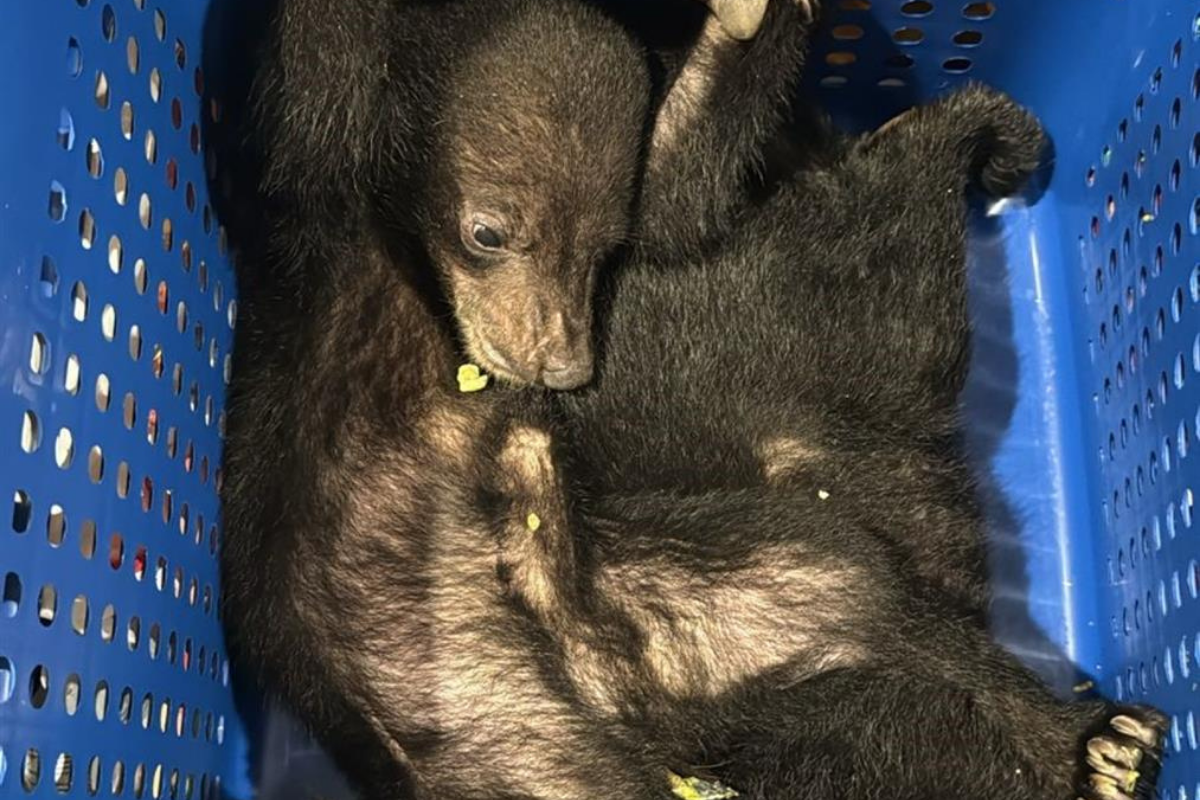
Customs officers at Dubai International Airport were in for a shock as they monitored the baggage X-ray monitors in the arrivals hall when they noticed two small skeletons, setting off an automated alert and flagging a suitcase for detailed inspection.
Inside the bag were two small, rare bears that had been kept in a blue crate within the bag. The owner of the bag was an Asian woman who claimed she didn’t know what was inside the suitcase and that she had been paid to bring the bag to Dubai.
A duty veterinarian was called to the airport, but on their arrival, the bears were tragically declared dead. Although Dubai Customs has not named the breed of bear involved in this incident, they say they belong to an endangered species of bear.
Under the Convention on International Trade in Endangered Species, the transport of endangered animals is strictly controlled, and the passenger involved in this smuggling case could face stiff punishment in the United Arab Emirates.
Despite these international rules, smugglers often attempt to circumvent airport and airline screening requirements, although, in many cases, smugglers will try to take animals in the passenger cabin.
Why? Because when an airline doesn’t know it’s transporting a live animal in the cargo hold, it won’t be heated, and oxygen supplies will be limited. Sadly, it’s likely that these two bears froze to death or suffered hypoxia.
The woman now faces criminal charges, although Dubai Customs has not indicated whether anyone from the smuggling gang who paid her to transport these bears has also been apprehended.
Last month, Transportation Security Administration officers at Newark International Airport discovered a man was trying to hide a live turtle down his pants as he passed through the security checkpoint.
The TSA was first alerted to something suspect when the passenger passed through the body scanner, activating an alarm for a potentially concealed weapon around the groin area.
The passenger claimed the turtle was a red-ear slider turtle. According to the U.S. Fish and Wildlife Service, the red-ear slider isn’t native to the United States, but the species is controlled because it is considered an invasive species that competes with native turtles for food and habitat.
While it wasn’t disclosed which airline the woman flew with to Dubai, it should be noted that Emirates is one of a growing list of carriers to the ‘United for Wildlife’ initiative, whereby airlines pledge to combat the illegal transportation of wild animals.